Tom’s Deep Trax & Seminal Sides Volume 1

ROBBIE SHAKESPEARE: Bob Dylan “Too Late”
Audio link: https://youtu.be/RUT7N8RYgSI When is “too many notes” not too many notes? Right here! Dig Robbie’s double-time riddum on this Zimmy outtake entitled “Too Late,” metamorphosing a mid-tempo folk ditty into a groovin’ reggae psalm! And the libretto ain’t to shabby either…
—————————————————————————————————————————————————————————————————————————————————–

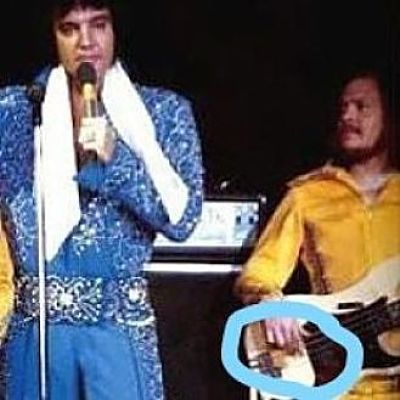
JERRY SCHEFF: Mick Jagger “Memo From Turner”
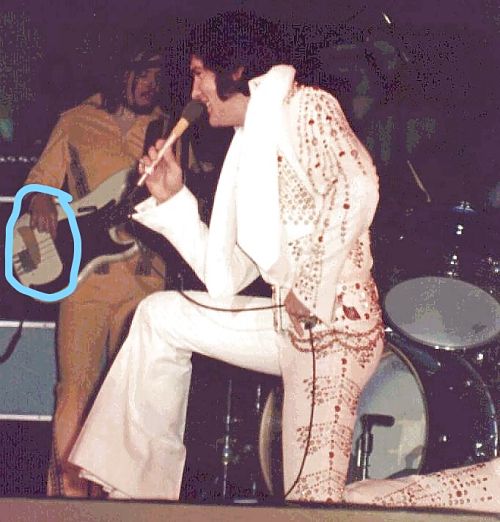
Audio Link: https://youtu.be/yCoCgB3eIU4 Recorded by the Stones a few months following the Beggar’s Banquet sessions in ‘68, various versions of this incendiary track from Mick’s Performance film have found its way on to bootlegs. However the official release is the definitive, produced by Jack Nitzsche in L.A. with session cats aplenty: guitarists Ry Cooder and Russ Titelman, Randy Newman on piano, drummer Gene Parsons, and bassist Jerry Scheff.
Presley’s late 60s-70s anchor drenches his trad Fender P bass tone with distortion, and he’s a far busier player than the former William Perks, affording this somewhat forgotten gem of a recording a decidedly southern fried rhythm & blooze veneer abetted by Jagger’s jagged drawl.
—————————————————————————————————————————————————————————————————————————————————–

HERBIE FLOWERS: David Bowie David Live
Introducing Ziggy Souldust….
It could be the greatest concert recording ever by a major rock artist …or the worst.
Despite overdubs aplenty, a near mutiny by his backing band (allegedly commandeered by this bassist), and horrific reviews – the former David Jones’ first (and to my ears finest) live set waxed in the summer of ’74 is a fascinating, futuristic, and funky meld of glam, soul, theater, and avant-garde.
Anchoring an all-star ensemble which featured Earl Slick (guitar), Michael Kaman (keys), David Sanborn (sax), Tony Newman (drums), Warren Peace and Gui Asandro (backing vocs), Pablo Rosario (percussion), and Mike Garson (piano), Richard Grando (sax/flute) was virtuoso session bassist Herbie Flowers.
Herbie’s sizzling staccato lines, jazzy harmonic counterpoint, and rhythmic variations re-cast David’s Ziggy era canon with a decidedly Broadway flair.
Akin to Robert Zimmerman, Bowie completely reinvents his canon on this now expanded twofer which blew minds aplenty upon its winter release. I’m sure it took concertgoers a few minutes to figure out what song the motely were rendering. Every now and then a cocaine fueled train wreck works, that’s David Live at the Tower Philadelphia.
Kudos to producer Tony Visconti for pushing Herbie up in the mix!
“Moonage Daydream” https://youtu.be/SOYNkDPqsso
“Suffragette City” https://youtu.be/WuyTVxvfIig
“1984” https://youtu.be/JIPt9UpHtXQ
“Rebel Rebel” https://youtu.be/QLyDNl0rfi0
“Sweet Thing” https://youtu.be/CiydgQymvTE
———————————————————————————————————————————————————————————————————————————————————

BRUCE THOMAS: Elvis Costello & The Attractions Punch The Clock
Times, trends, tones, and technology were a-changin’ during the Reagan / Thatcher era, hence the trad low-end resonance of Fender and Danelectro, among other studio staples, could not compete with the barrage of snazzy synthesizers that dominated the pop music landscape.
As such many a bassist opted for more treble trolling instruments. Enter Bruce Thomas on Declan’s superb 1983 platter Punch the Clock with his “electric Wal bass guitar” as listed in the album credits. Featuring Chet Baker and TKO sax colossus / clarinetist Geoff Blythe (listed as “Jeff”), Bruce’s signature countermelodic harmonic forays forged a decidedly sharper twang.
Thomas’ tempered timbre manages McManus’ melancholy melodies and “sugary” stanzas quite magnificently.
“Everyday I Write the Book” https://youtu.be/V1d4r9awjKE
“Let Them All Talk” https://youtu.be/NaYJCfenR20
“Invisible Man” https://youtu.be/3o-iZ_GfTTs
—————————————————————————————————————————————————————————————————————————————————–

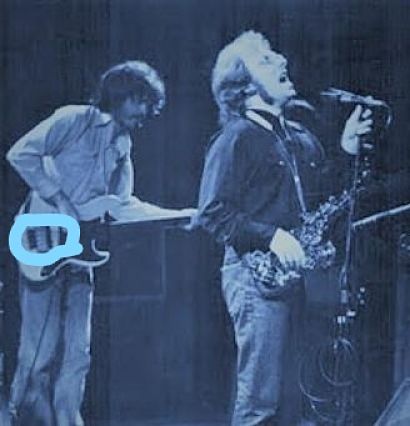
DAVID HOOD: Traffic On The Road
Extended live slabs are oft ponderous affairs, however this terrific Traffic twofer with Muscle Shoals “Swamper” David Hood in the bass chair is the rare exception.
Waxed in Germany ’73 – dig the “wir fahr’n fahr’n fahr’n auf der Autobahn” cover artwork – Hood along with polyrhythmic percussive purveyors Jim Capaldi, Rebop, and Roger Hawkins stir up a Bitches Brew brouhaha on super stretched out renditions of the studio originals.
Hood masters the pocket – rendering subtle variations on what are essentially jam vamps tailored to the improvisational prowess of Messrs. Chris Wood, Steve Winwood, and second keys man Barry Beckett.
“Glad / Freedom Rider” medley https://youtu.be/K37bsDlutes
———————————————————————————————————————————————————————————————————————————————–

JOHN BAKER SAUNDERS: Mad Season Above
Doomed by drug addiction, this 1990s alt-rock super group comprised from Seattle’s finest – Alice in Chains (Layne Staley), Pearl Jam (Mike McCready), and Screaming Trees (Barret Martin)- waxed a gem of a slab that traversed ambient, jazz, blues, trad hard-rock, experimental and “grunge.”
Bassist John Baker Saunders, who cut his teeth with notable artists including Hubert Sumlin and The Walkabouts, nimbly works the pocket with inventive harmonic extensions and legato passages.
Intense, understated performances from all involved – it’s pity that half of Mad Season left this mortal coil way too soon….
Lifeless Dead” http://bit.ly/2tPMebm
“River of Deceit” https://youtu.be/StqioKCPqF8
———————————————————————————————————————————————————————————————————————————————-

JIMMY ASHURST: Izzy Stradlin & The Ju Ju Hounds
Start to finish, this was the best album Guns ‘n’ Roses never recorded – save perhaps for Gilby Clarke’s Pawnshop Guitars (1994). The Gunners best songwriter fires on all cylinders with a collection that strips the pomp and circumstance of Use Your Illusion l & ll with songcraft and a laidback Stonesy vibe that would do Keef proud – note Ronnie Wood, Nicky Hopkins, and Ian McLagan’s individual appearances on three cuts.
Veteran bassist Jimmy Ashurst (Buckcherry) renders a fine chordal intro on the slab’s single / video “Shuffle It All,” and works the pocket with sparse grooves that leave space aplenty for Charlie Quintana’s fat back beat and Rick Richards (than name again!) riffage.
Buried in the grunge era, this is one of the great lost rock albums of the 1990s.
“Shuffle It All” https://youtu.be/TKBgbbFaF2U
————————————————————————————————————————————————————————————————————————————————–

DUFF MCKAGAN Guns ‘n’ Roses “Pretty Tied Up”
“Cool ranch dressing!” Michael Andrew McKagan stands among the hard rock’s premiere bassists – and this track proves why. Controversial libretto aside, Duff’s mastery of melody and the pocket achieves perfection on this cut, abetted by a funky flange resonance. Had Axl had a handle on his ego, you pull the best tracks from solo Slash, Duff, Gilby, and Izzy slabs and they’d have had a career equal to the Stones. But…. GnR as a nostalgia act in the 21st Century continues…yawn.
“Petty Tied Up” https://youtu.be/uOzA23ibxjU
—————————————————————————————————————————————————————-

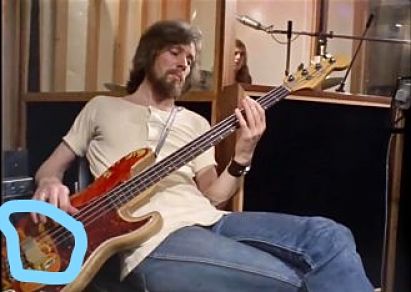
ROB RAWLINSON: Ian Hunter’s Overnight Angels
Whenever I mentioned Overnight Angels (1977) to Ian Hunter during our four or five interviews since 2000, the usual reaction was a groan, or a grimace, or a combination of thereof. Though it was an album out-of-time, out-of-touch, and somewhat out-of-tune thanks to producer Roy Thomas Baker’s misdirection, the songs and bass playing on Overnight Angels are, to my ears, rather astonishing. Rare is the player who can overplay – yet play to the song.
Yet that is exactly what Rob Rawlinson achieved on this collection, which, incidentally, was only available as an import in the United States upon its release.
Rawlinson, who went on to found Atomic Studios in London, also anchored sessions and gigs with Freddie Mercury, the Climax Blues Band, the Lloyd Langton Group, Rick Astley, and Alison Moyet, among others.
“Golden Opportunity” https://youtu.be/xOgI42s53uA
“Overnight Angels” https://youtu.be/HzYBO4Uw92o
“Wild and Free: https://youtu.be/KwFFEw5BtOo
“Miss Silver Dime” https://youtu.be/qzADr4fkbUQ
“Shallow Crystals” https://youtu.be/7stOZSXUFU4
“To Love a Woman” https://youtu.be/Hb4mTJnPFrQ
“Justice of the Peace” https://youtu.be/PjWzp2gb-yU
————————————————————————————————————————————————————————————————————————————————

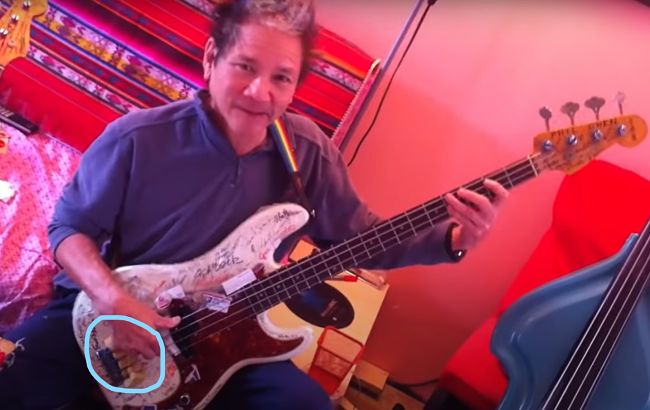
MARTYN LENOBLE: “Dirty Sticky Floors” (Live) Dave Gahan
Veteran (Pornos For Pyros, Scott Weiland, The Cult) alt-rock anchor Martyn LeNoble (that’s Mr. Christina Applegate to you!) furtively works the fuzz on this Depeche Mode-minus magnum opus whilst a sustain pedal does the heavy lifting for his three-note bass break at 2:30. Yep, ‘twas a time when rock gods traversed the terrain…
“Dirty Sticky Floors” https://youtu.be/guB5PHcArLw
————————————————————————————————————————————————————————————————————————————

ADAM CLAYTON “Mysterious Ways” U2
Groove monster Adam Clayton works his dub bass magic on this 90s classic. What is it with bass players and their model mates?
“Mysterious Ways” https://youtu.be/TxcDTUMLQJI

LESLIE LANGSTON: “Devils Roof” Throwing Muses
Of all the bassists who served in Kristen Hersh’s corps (with / without Tanya Donelly) over the years, Leslie Lansgton was by far the most accomplished, incorporating funk and reggae influences beneath her bandleader’s mystically twisted libretto. An alt-rock collective way ahead of its time….
“Devils Roof” https://youtu.be/E9-Zqgxvogw
———————————————————————————————————————————————————————————————————————————————

GAIL GREENWOOD “Geppetto” Belly
Rock critics who opined that grunge bass lacked finesse didn’t know what they were talking about…again…and again. Dig Gail’s grooves as each note melts into the next.
“Geppetto: https://youtu.be/gQlk8eKdIIA