Chris Edwards (Kasabian)

Courtesy of Chris Edwards FB Courtesy of Chris Edwards FB

Courtesy of Chris Edwards FB

Updating the sounds of 1990s Madchester for the 21st Century, Leicester lads Kasabian continue to forge a mesmerizing meld of hard rock, psychedelic and electronica.

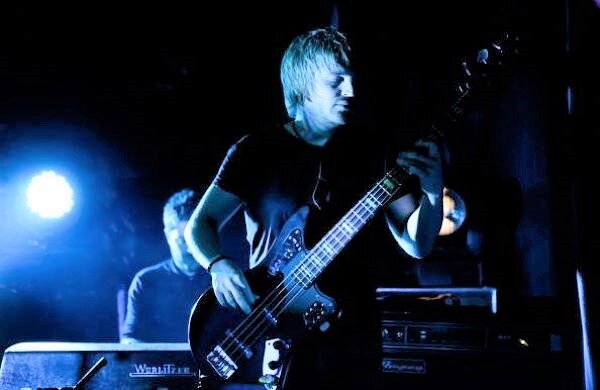
Among modern rock’s most spirited live ensembles, bassist Chris Edwards anchors bandleader Sergio Pizzorno’s sprawling, ambitious compositions with crunchy, in-the-pocket grooves and countermelodies abetted with a myriad of effects which solidify the band’s signature din.  His primary weapons of choice are the Fender Deluxe Jaguar, Fender Jazz, and the Gibson EB-2.

Dig Chris’s raucous riffage on “Clubfoot” https://youtu.be/lk5iMgG-WJI

Dig Chris’ disco thumpery on “You’re In Love with a Psycho” https://youtu.be/kimPUWSwxIs

Dig Chris on “Where Did All the Love Go?” https://youtu.be/Xl3QoD6wiDI

Courtesy of Kasabian Co UK Courtesy of Kasabian Co UK

Courtesy of Kasabian Co UK

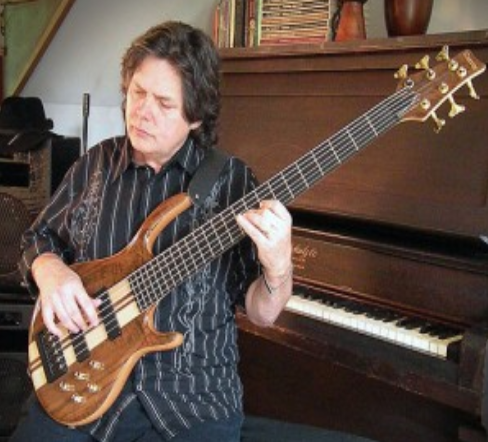
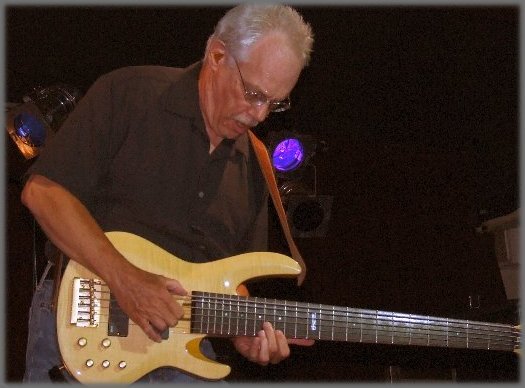
Roy Vogt (Dickey Betts)

Courtesy Roy Vogt Com

He is a preeminent educator, exemplary session player, Kiesel Signature Bass artist, solo recording artist, and virtuoso sideman. With great insight, humor, humility, and depth of knowledge – Roy Vogt was among my favorite teachers for any subject at the University of Miami and other learning “institutions.”


Here’s Roy’s bio from his website www.RoyVogt.com


How many people can lay claim to a career so varied that it includes appearances on MTV’s Headbanger’s Ball, Montreaux Jazz Festival, Montreal Jazz Festival, the London Palladium, the Grand Ole Opry and the Kremlin? From Punk to Funk, the simplicity of Country and Blues to the complexity of HyperJazz and World Beat? Not many. Yet premier bassist and educator Roy Vogt has done all that and more.


The first person to receive a Masters degree in Electric Bass Performance – from the University of Miami’s prestigious music school – Roy has been pursuing the art of bass for more than forty years. In addition, he is recognized as one of the finest educators in the world, mentoring dozens of successful professionals, including the legendary Willie Weeks. Electric, fretless, upright, you name it. If it plays low notes and has strings, Roy is a master at playing it, and in teaching others to do the same.


Over his four-decade career, Roy has recorded or performed with an amazing list of top stars, including Larry Coryell, Victor Wooten, Dave Weckl, Tom Scott and the LA Express, Chester Thompson, Miroslav Vitous, Glenn Campbell, BJ Thomas, Chet Atkins, Englebert Humperdink, Dickey Betts, Tony Joe White, Charlie Daniels, Jerry Reed, and dozens more.


Roy has been teaching at the university level for thirty years. Since 1983, he has held the Bass Professor chair at prestigious Belmont University (Nashville, TN), one of the very few schools to offer a commercial music degree program designed to turn students into professional musicians working at the top of the industry. Roy’s students have toured and recorded with such notable stars as Trisha Yearwood, Faith Hill, Little Texas, Michael W. Smith, Lady Antebellum, Chick Corea, Sir Tom Jones, Blood Sweat and Tears, Yanni, and countless other music icons.


Roy Vogt Sound & Vision…


“Amen Corner” https://youtu.be/HZi7A2gssHc


“Burnin’ https://youtu.be/5ji7AW3Ouvg  


“Open Spaces” https://youtu.be/dKvdO1gxaSw


“Miss Sippi” https://youtu.be/ZbfAHnLdSKc

Tim Bogert (Vanilla Fudge, BBA, Cactus)

Courtesy of Tim Bogert Official Website
By Tom Semioli

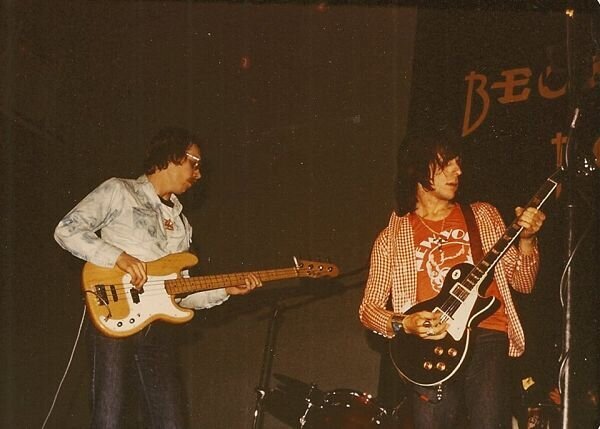
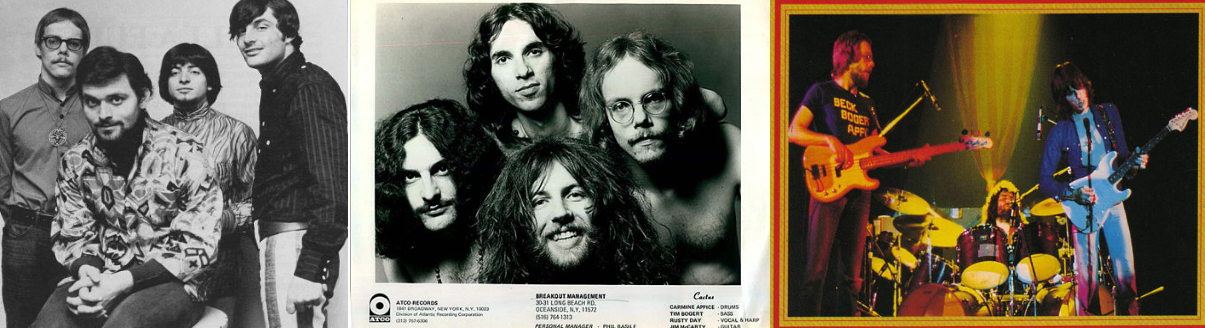
A giant, and an influencer who stands among the greats of any generation. He was an electric bass pioneer, master soloist, heavy groove-player, educator, and sonic innovator, among other attributes. The late John Voorhis “Tim” Bogert radically expanded the role of the instrument on stage and on record by way of his matchless tenure in the groundbreaking ensembles Vanilla Fudge, Cactus, and Beck, Bogert & Appice, in addition to his many other collaborations. 


Renowned for his working relationship with drummer Carmine Appice, Bogert’s primary weapon of choice for his most recognized recordings and concert performances was a hybrid Telecaster (neck) and Precision (body) bass – which was sold to a collector. In his later years Bogert utilized an extended range, among other instruments.


Photo By Chris Dixon


Tim Bogert Sound & Vision…


Vanilla Fudge:


“You Just Keep Me Hangin’ On” https://youtu.be/xNcFWGox-SM


“Shotgun” https://youtu.be/mXez-BqNGtk


“Some Velvet Morning” https://youtu.be/zBtKYBKg_yU


Beck, Bogert & Appice:


“Superstition” https://youtu.be/n0R8Tdr0oB8


“Black Cat Moan” https://youtu.be/6qP_t0HySoI


“Morning Dew” https://youtu.be/7UjJwjGtyvo


Cactus:


“One Way or Another” https://youtu.be/ajdc8ZEESUM


“Parchman Farm” https://youtu.be/d_y_m0mImGw


Boxer: “No Reply” https://youtu.be/-GyQ_O0dQgs


Derringer – Bogert -Appice: “Rhapsody in Red” https://youtu.be/O50mwhzJE58


Jerry Duplessis (The Fugees, Shakira)

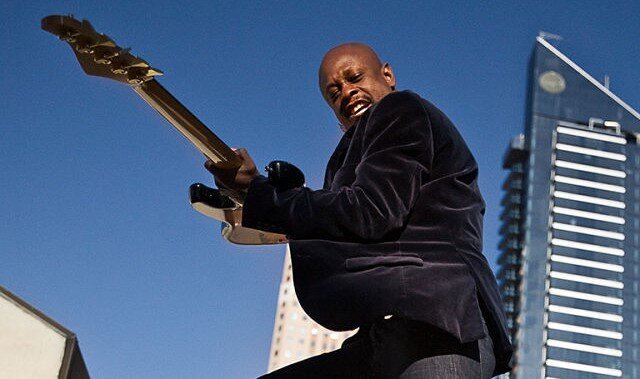
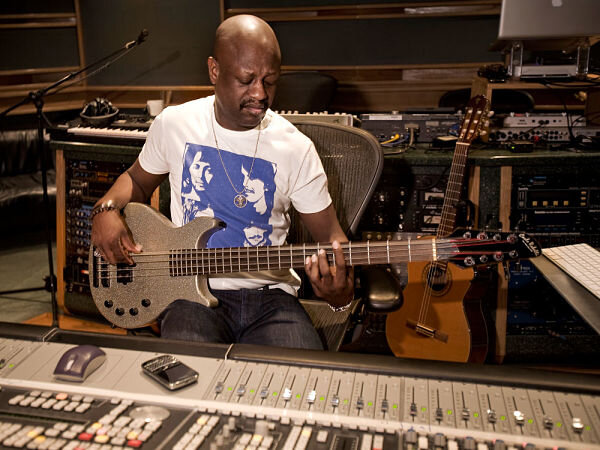
Courtesy of Wanda Website Courtesy of Wanda Website

Courtesy of Wanda Website

It doesn’t get much deeper than Wonda!

A producer, session cat, sideman, studio entrepreneur, pop and soundtrack composer, multi-instrumentalist, and former musical director of The Fugees (he co-produced The Score along with his cousin Wyclef Jean), among other endeavors, Grammy Award winning bassist Jerry “Wonda” Duplessis augments his reverence for Aston Barrett and James Jamerson with a phat low B which percolates in-the-pocket akin to the aforementioned groove masters.

Dig Wonda on fretless with Wyclef “If I Was President” https://youtu.be/9pq_3OheqzU

Also known as “Ti Bass” and “Jerry Wonder” on assorted album credits, among Wonda’s wondrous all-star stage and studio resume includes Melissa Etheridge, Whitney Houston, Ne-Yo, LL Cool J, Jennifer Hudson, Estelle,  Mary J. Blige,  Musiq Soulchild, Shakira, Wyclef John, Destiny’s Child, Lionel Ritchie, and Tom Jones to cite a very few.

An activist and philanthropist in his native Haiti – Wonda is co-founder of Yéle Haiti with Wyclef – a non-profit organization which promotes education.

Dig Jerry with…

Wyclef and Nila “Sweetest Girl” https://youtu.be/6aU8P6HlPr4

Melissa Etheridge (live) “Monster” https://youtu.be/deugmFr0O8w

Musiq Soulchild “Silver and Gold” https://youtu.be/8Zb8uYz6EFo

The Fugees “Killing Me Softly” https://youtu.be/H-RBJNqdnoM

Shakira “Hips Don’t Lie” https://youtu.be/DUT5rEU6pqM

Kerry Wilson “Freedom Ride” https://youtu.be/BclygKkszYA

Selah Sue “Fade Away” https://youtu.be/9Y4MvBZ4cRw

With Lionel Ritchie “I’m Coming Home” https://youtu.be/1SZuUumHa2I

Courtesy of Wanda Website Courtesy of Wanda Website

Courtesy of Wanda Website

Lee Sklar (“The Section”)

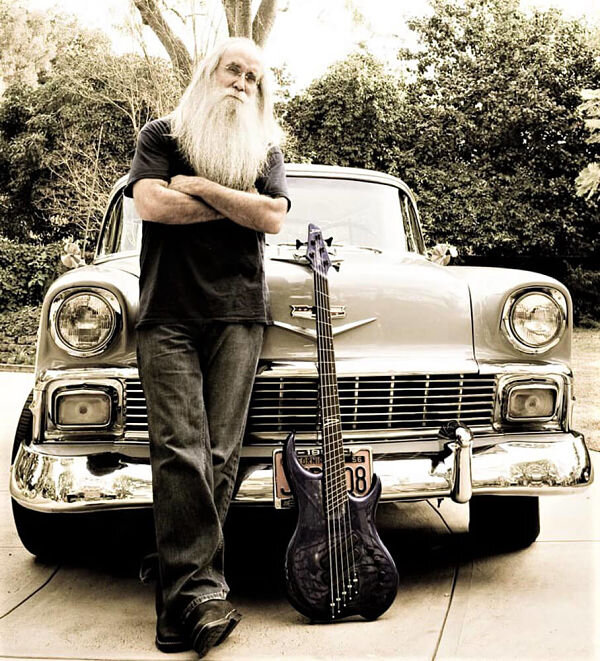
lee-sklar-bass-and-car-2-promo-pic_opt.jpg lee-sklar-bass-and-car-2-promo-pic_opt.jpg

His name is synonymous with excellence on our instrument, and, along with Jamerson, Dunn, Rainey, Jemmott, Kaye, Osborn, and Flowers, to cite a respected few, he is among the greatest session players, and sidemen of all time.


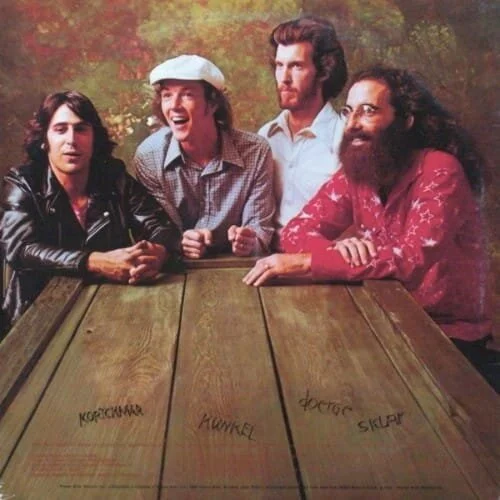
Cited by this writer in Huffington Post (December 2017) as a bass player deserving of recognition in the Rock and Roll Hall of Fame ( https://bit.ly/37D8plz ), Leland Bruce Sklar was/is the foundation for “The Section” – a historic musical assemblage comprised of guitarist Danny Kortchmar, keyboardist Craig Doerge, and drummer Russ Kunkel.


Though these players were also referred to as “The Mellow Mafia” – there was nothing placid, nor easygoing about this ensemble of Los Angeles based virtuosos who were the catalyst on scores of iconic album and singles sessions, and all of whom were well-versed in jazz, folk, blues, soul, funk and classical music and permutations thereof.


Lee has anchored over 2,000 albums, film and television scores, and 25,000 bass tracks (and counting) with artists ranging from Ray Charles, Crosby, Stills, & Nash in various configurations; Hall & Oates, Donna Summer, David Sanborn, Diana Ross, James Taylor, Jackson Browne, Billy Cobham, Michael Jackson, Peter Allen, Bette Midler, Bernadette Peters, Bee Gees, Sarah Brightman, Glenn Campbell, Joe Cocker, Robbie Williams, Neil Diamond, Rita Coolidge, The Doors (post Morrison), Vince Gill, Dolly Parton, Don Henley, Julio Iglesias, Lyle Lovett, Jimmy Webb, Trisha Yearwood, Tanya Tucker, Jimmy Webb, Carly Simon, Reba McIntyre, David Cassidy …his resume is exhaustive….and his collection of instruments is exhaustive (check out Lee’s page on The Unique Guitar Blog Spot https://bit.ly/2YcioLj ).


In brief, Sklar utilizes the entire harmonic range of the bass and intuitively shifts from playing in the pocket to rendering counter melodies which become intrinsic to the composition.  Lee’s legacy has been widely documented in several books (including Michael Viseglia’s A View from the Side) , news features, interviews, and documentaries.


Lee Sklar Sound & Vision


Jackson Browne “Doctor My Eyes” https://youtu.be/qKGTaplzmV4


James Taylor “Smiling Face” https://youtu.be/ZSsfNlS42Cc


Billy Cobham “Stratus” https://youtu.be/b1rX9E8NuRw


Phil Collins “Sussudio” https://youtu.be/r0qBaBb1Y-U


Dolly Parton “9 to 5” https://youtu.be/E4OzdyxbOuU


Sklar Section.jpg Sklar Section.jpg

Alphonso Johnson (Weather Report)

Courtesy of Embama Com Courtesy of Embama Com

Courtesy of Embama Com

He is a giant of the 1970s jazz fusion era who also expanded his artistry into rock and pop music. Alphonso Johnson began his musical journey on trumpet, then on to upright bass, then to the electric where his virtuosity shone brightest.

Barely into his 20s, Alphonso was in the studio and on stage with Weather Report, taking over the bass chair from Miroslav Vitous. His three slabs with the band: Mysterious Traveller (1974), Tale Spinnin’ (1975) and Black Market (1976) which he split with Jaco – are world music touchstones. Johnson’s Fender Precision tone was cited by Darryl Jones in this testimonial: https://youtu.be/ltDn-gZzeF0

An educator, solo recording artist, collaborator, bandmember, and clinician, Alphonso also brought the Chapman Stick to the forefront, and has recorded extensively on extended range and fretless.

I highly advise you visit Alphonso’ website wherein he explains his approach to the instrument – and his latest releases and live dates.

He is among the handful of bassists you need to experience live! http://embamba.com/

My choice Alphonso tracks which span funk, world, soul, rock, pop and every permutation thereof:

“Cucumber Slumber” from Weather Report’s Mysterious Traveler (1974) https://youtu.be/5gsk-ae_y8I

“Man in the Green Shirt” from Weather Report’s Tale Spinnin’ (1975) https://youtu.be/gdstJfWHqx0

“Hip Pockets” from Billy Cobham – George Duke Band Live on Tour in Europe (1976) https://youtu.be/PK4Ox-EJeOE

Title track from Flora Purim’s Open Your Eyes You Can Fly (1976) https://youtu.be/L-yYZg-DQYQ

“Stump” from Alphonso’s Moonshadows (1977) https://youtu.be/F8VM8NZPcmw

“Children Are the Spirit” from Dee Dee Bridgewater’s Just Family (1978) https://youtu.be/v9St6i68Eok

“Book of Rules” from Bob Weir’s Bobby & the Midnights Live (1981) https://youtu.be/YjAhM6e1D-o

“I Missed Again” from Phil Collins’ Face Value (1981) https://youtu.be/yr-SNCtoyPk

“Brotherhood” from Santana’s Beyond Appearances (1985) https://youtu.be/kOjaaIPYahk

“Fountain of Salmacis” from Steve Hackett’s Genesis Revisited (1997) https://youtu.be/VwFZd0i0nb8

Jazz Is Dead’s Laughing Water (1999 ) https://youtu.be/UzpeMhtxrF4

“Waters of March” from Sergio Mendes’ Encanto (2008) https://youtu.be/PwrtN3l7-xQ

Courtesy Sony Legacy Com Courtesy Sony Legacy Com

Courtesy Sony Legacy Com

Tom Robinson (TRB)

Courtesy Tom Robinson Com

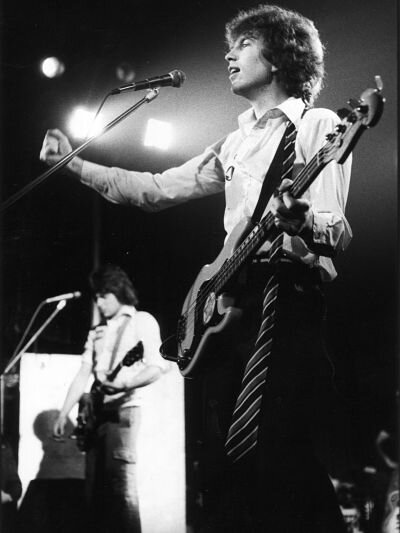
Bassist and bandleader of the highly influential Tom Robinson Band (TRB) which spanned the years 1976-79, Robinson possesses that rare gift of combining an activist, intellectual libretto with great songs and melodies.


Anthems including “Up Against the Wall,” “Ain’t Gonna Take It,” “Glad to Be Gay,” “Blue Murder,” “Right On Sister,” and “2-4-6-8 Motorway” remain as relevant today as they did four decades ago.


As a bassist who came to the instrument out of necessity, Robinson – with his signature Fender P, was a solid pocket player.


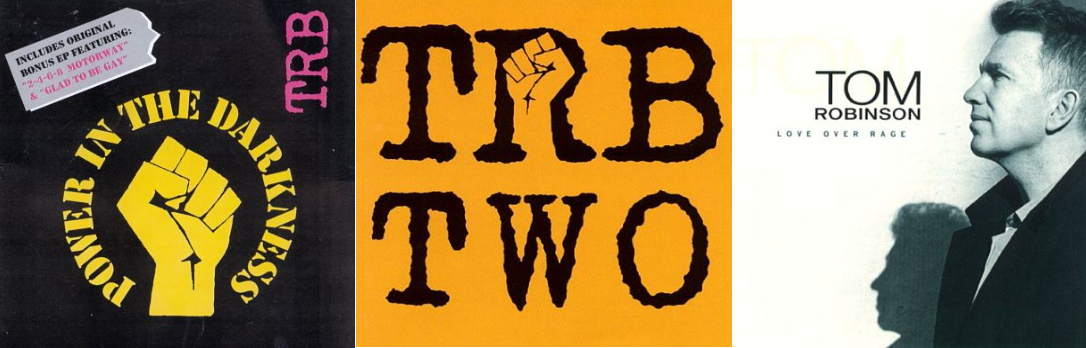
Though his band was branded punk, Tom and the TRB were much more expansive – incorporating blues, jazz, soul, cabaret, dance-hall, and reggae motifs into their two essential albums: Power in the Darkness (1978) and TRB II (1979). Ever since he split TRB, Tom fronts his solo projects as a guitarist.


Tom Robinson Sound & Vision:


“Up Against The Wall” https://youtu.be/-kZMfLULwHA


“2-4-6-8 Motorway” https://youtu.be/kGrnEc_3mYo


“Bully For You” https://youtu.be/RIavik9iv_A


Ric Grech (Traffic, Blind Faith, Family, Gram Parsons)

He embodied the spirit of “Rock ‘n’ Roll Stew” a seminal track he composed with drummer Jim Gordon.


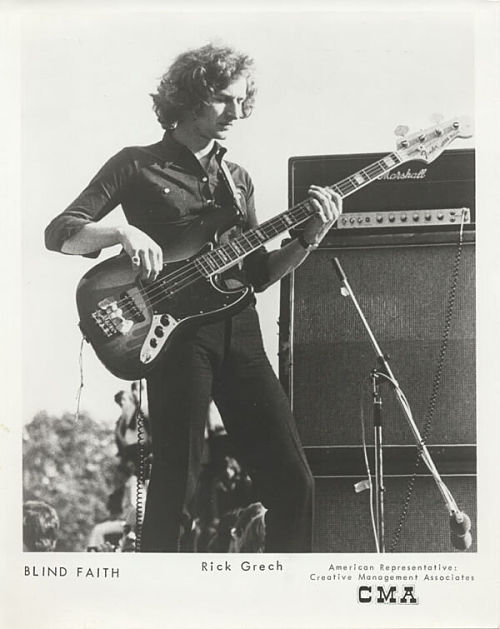
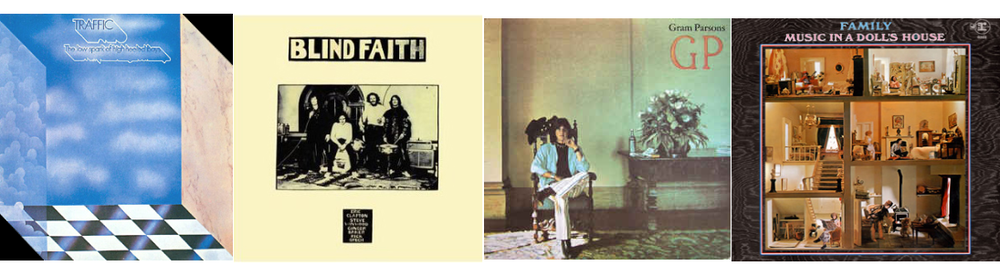
The late Richard Roman Grech was a major presence on the British music scene of the late 1960s – 70s, plying his craft with a Fender Jazz bass -and a wad of foam (“waddafoam”) strategically placed in proximity to the bridge to render a partially muted resonance akin to an upright.


Ric, who also doubled on violin and cello, anchored a who’s who of Brit rock royalty: Family, Blind Faith, Eric Clapton, Rod Stewart, Ronnie Lane, Eddie Harris, Jim Capaldi, Gram Parsons, the Bee Gees, and the KGB band with Mike Bloomfield and Carmine Appice – to cite a very select few.


Widely respected by his peers and the among the most in-demand session players of his era, Grech was an exceptionally skilled pocket and melodic player who incorporated jazz, rhythm & blues, and classical influences into his expansive body of work.


After the commercial failure of KGB, Ric retired from the music business in 1977, and sadly passed at the age of 43.  


The Rick Grech story would not be complete sans the mention of his relationship with Gram Parsons.


Reflects James Spina of Creem Magazine / Hit Parader: Grech produced Gram’s first solo LP called GP. He built quite a friendship with Rick previous to that and in fact lived with Rick and his family when in England and when not hanging with Keith during the Exiles daze. Daze might be a key word for all of this since some much of it happened under a haze of drugs. Both Gram and Rick had substance abuse issues but even in light of that the actual production and even the song writing process for GP is clean and classic.


Musician Kenny Wilson recalls his close relationship with Ric Grech. Courtesy of www.KennyWilson.Org


However, personally untouched by the economic downturn (living “on the dole” was alright as long as you didn’t have expensive habits), I continued to pursue and develop my career as a singer/songwriter. There weren’t many gigs in the centre of Leicester at that time so I and some of my musical friends started a club in the top room of a pub called the Town Arms on Pocklington’s Walk. We met every week and played songs and generally had a good time. Everyone at that time was making a big effort and many of the songs were excellent. Regulars at the time included Geoff Overon, Mick Pini, Dave Plimmer, Gwyn Jones, Annie Williamson and many others, some of whom I’ve forgotten the names of. None of us were making much money at the time but that didn’t really matter. We were more interested in writing and performing good songs.


In 1975 I was living on the St. Matthews Estate which was an area of social housing near the centre of Leicester. It was a time of economic upheaval with hyper-inflation and widespread industrial unrest. The then prime minister, Ted Heath,  announced a three day week at the height of a miner’s strike that eventually brought down the government and returned Harold Wilson and a Labour government to power. On top of that there were many terrorist acts being committed by the IRA and other extremist groups with particularly horrendous bombings in Birmingham and Guildford. It was a time of great unrest and social change. The hope of the 60s had dissolved into the pessimism and paranoia of the 70s.


What I do know is that I met him late 1975 and subsequently did gigs, wrote songs and recorded demos with him until the early eighties when we went our separate ways. When you look at biographies of Rick they all tend to agree that his career ended in 1977. Bizarrely, many say he became a carpet salesman. I don’t know where that came from but it was the sort of thing he would say as a joke. He had a cynical and sometimes surreal sense of humour. He actually saw himself as a musician and played in various combinations until his untimely death in 1990. The period I knew and worked with him was between 1975 and 1982 and we did many gigs together mainly around the Midlands area in the U.K.


I realized as I started this memoir that I don’t really know how to either spell or pronounce Rick’s name. Until recently I thought it was Ric and that Grech was pronounced with a hard “K” sound. I’m not sure now. On most of his recordings, and his own signature on a photograph I have, it is spelled Rick and many people I have spoken to who knew him assure me that Grech should be pronounced with a “CH” sound. I also thought he was of Polish origin but many biographies online say he was Ukrainian. Not a great start really as I am now totally confused and can hardly put myself forward as an expert! Mind you, it fits the person I knew for many years who was both interesting and sociable but was also a bit of an enigma who rarely gave a straight answer to  any personal question.


One night, out of the blue, Rick Grech turned up with his violin. He commenced to play along with people and then borrowed a guitar and sang some of his own songs. He obviously enjoyed himself and started to come every week. At the time he had just finished working with Gram Parsons and had even made two records with the original Crickets! One week he brought a cardboard box full of records to the club. It was by a “super-group” called KGB featuring Rick on bass. He proceeded to give everyone a free copy of this! This is when I first encountered Rick’s evasiveness. I said shouldn’t he be in America promoting this record but he told me nothing and didn’t want to discuss it! It was at this time that rumours started circulating that he had been expelled from America and could not return. I don’t know any facts about this but I know he never returned when I knew him in the 70s.


At the beginning Rick was a bit of an anachronism with his Rock Star status and red Ferrari which he crashed and abandoned shortly after I met him. But he was a nice guy who was soon part of the scene and we started working with him in various ways. At the time my maisonette (like a third story house on top of another house!) was a centre for continual jam sessions. I had a reel to reel tape recorder set up (a bit like the Basement Tapes) and recorded many sessions that involved Rick and lots of others. Unfortunately, the tapes I used were the cheapest available and oxidized over time and are virtually unplayable now. Rick was buzzing with ideas and writing some great songs and playing some fine fiddle. He was still involved in recording as a session musician with people like Rod Stewart and was still managed by impresario Robert Stigwood who released a compilation album of him in 1973. He had also promoted the talents of guitarist Albert Lee and had involved him in records with the Crickets and “Doctor to the Stars” turned country singer, Hank Wangford. It seems like Rick was everywhere, doing everything, he couldn’t fail, but cracks were beginning to show. Hank Wangford says this of his time with Gram Parsons and Rick:


“I spent four months in Canada, and came back and resolved to make a country album with Rick Grech for Robert Stigwood, I called Rick up one day and said, ‘You know who should co-produce this? Gram Parsons.’ He said, ‘I know Gram well’, and called him up. And Gram came over. “This was 1972. I did a demo with Rick on bass, Mike Kellie from Spooky Tooth on drums, Mike Storey on piano, and Pete Townshend on lead guitar. Glyn Johns was the engineer. I could have been forgiven for thinking I’d made it. But the whole thing fell apart. Gram came over, we spent a couple of days at Rick’s house going over the songs, but it fell apart because of heroin. Rick and Gram just got really stoned, and I didn’t take heroin. I hated it. Rick was so wrecked, he couldn’t get his recording machine to work. For hours and hours, he and Gram would get higher and higher, and nothing happened. Nothing was put on tape. Actually, that time, he brought with him George and Tammy’s new duets album We Go Together. And that was Gram’s role model for him and Emmylou.”


There’s a horrible prescience to this because years later I was with Rick when he was incapable of working his tape machine because he was so wasted! He became a victim of serious drug and alcohol abuse that eventually sent him to an early grave!


In 1976 Rick decided to form a band to showcase his songs. It was based on the kind of music Gram Parsons had been producing on his two solo albums “GP” and “Grievous Angel” both of which contained songs written by Rick although he didn’t play on them. He did have a producer credit on “GP” though. He teamed up with a local Irish/Country band called the Lentones at the time but who changed their name to Rhinestone in 1976.


They did gigs at Irish clubs and were breaking into the Country & Western club scene that was becoming very popular at the time. They were a very good band who won a national Country Music competition and played at the Wembley Stadium at a big festival with Rick on fiddle. To get the “Gram” sound he invited singer Claire Hamill to join him. She was a fairly well-known singer/songwriter at the time from the North East (I’d seen her play when I was a student in Darlington) and had recorded four solo albums at that time. She was favourably compared to Joni Mitchell. Praise indeed!!


In 1976 we had moved operations from The Town Arms to a place called Watson’s Restaurant on Belvoir Street, Leicester. This was originally intended as a kind of club for well-to-do business types but it was short on customers. We turned it into a live music venue and it did very well for over a year until the owners went bankrupt. It was here that Rick and Claire refined their songs and harmonies and they sounded very good. It was time to go on the road. A band was formed and a tour was set up. Robert Stigwood was still the manager and was setting up recording etc.


What happened then can only be called a disaster. I went to one of the gigs at the Nottingham Boat House (a well known venue at the time) and Rick was not on his best form. Captain Video (an up and coming country rock band) did the support but the main problem was that most of the audience were not expecting Country music. They were there to hear Rick play bass and do a Rock set. He didn’t touch the bass and played no Rock, no Blind Faith, no Traffic, no Family. I believe this was the reaction that met most of the gigs on this tour! Although Gram Parsons had convinced us that Country was hip there were a lot of people who hadn’t got the message.


A shame, because actually it was potentially very good. The harmonies and songs were excellent and the musicians were good if a little unrehearsed. They should have toured the Country Music Clubs who would have loved it! To make matters worse I believe Claire and Rick ran up enormous expenses at London’s Claridges Hotel and charged them to Robert Stigwood who then immediately dropped Rick from his management. Well, that was the story at the time and I’m sure that’s what Rick told me!


It was towards the end of 1976 that I started doing gigs with Rick. By this time his drug and drink addiction was spiralling out of control and he was getting short of money. A Gibson Dove that had belonged to Gram Parsons began to be pawned regularly and the royalties from his recordings had begun to dry up. For the next four years I did many gigs with Rick as a duo and also in a band. At one point we were doing over four gigs a week! One of the most memorable regular gigs we did was at the Crows Nest on King Richards Road, Leicester every Tuesday night.
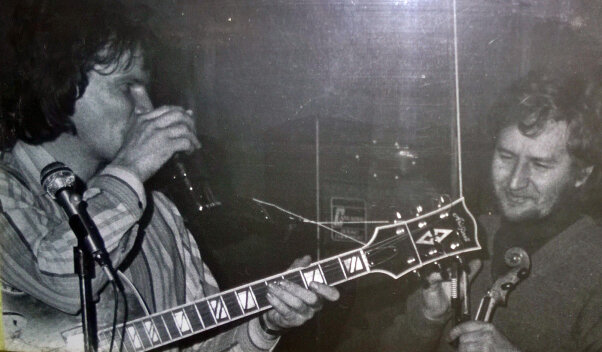
 

Kenny and Ric courtesy of Kenny Wilson Org


Ric Grech Sound & Vision…


Family:


“How Hi The Li” (composed by Grech) https://youtu.be/8GgzLYI1RK0


“Old Songs New Songs” https://youtu.be/8cJAB7Wk8y8


“Face in the Cloud” (composed by Grech) https://youtu.be/–BtEE2f9Ck


Traffic:

“Rock and Roll Stew” https://youtu.be/RjztpVSLFS8


“Medicated Goo” https://youtu.be/Pew9CweLjAU


“40,000 Headmen” https://youtu.be/pc1Hz8S2qhs


Blind Faith:


“Can’t Find My Way Back Home” Live at Hyde Park  https://youtu.be/PJJnA6zEcGk


“Well Alright” https://youtu.be/oj5u3Yf28LE


KGB: “I’ve Got a Feeling” https://youtu.be/jtHCtR02cjo


Gram Parsons: “Streets of Baltimore” https://youtu.be/Xi0c2clOqp0


Courtesy of Steve Winwood Com
Kenny Gradney (Little Feat, Robert Palmer, Delaney & Bonnie)

Courtesy of Little Feat Net


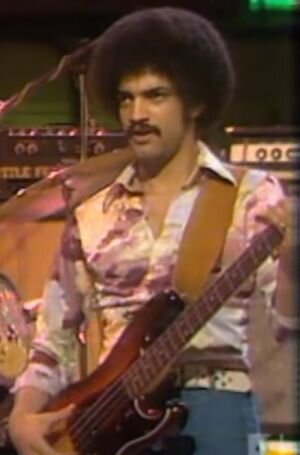
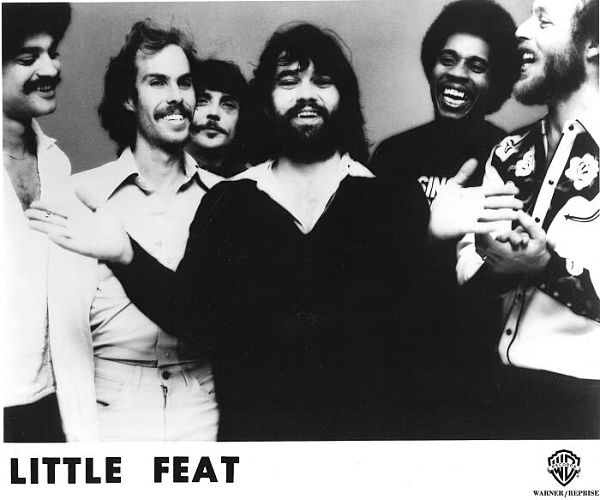
They were a matchless combination of a great American songwriter and a great American rhythm section: Lowell George and Little Feat. When Kenny Gradney assumed the bass chair from ex-Mothers of Invention player Roy Estrada for Dixie Chicken (1973), this versatile LA based ensemble commenced a groundbreaking run of albums and tours which uninhibitedly fused rock ‘n’ roll, blues, New Orleans funk, gospel, soul, jazz, and every variation thereof like no other band before – or since.


A prolific studio player as well, Gradney also waxed sides with Delaney & Bonnie, Chico Hamilton, Robert Palmer, Carly Simon, and Bob Weir, among others.


His greatest performance on record, to my ears, can be found on one of the greatest concert slabs ever committed to tape – Little Feat’s Waiting for Columbus (1978).


On the classic Feat slabs, Kenny’s weapon of choice was the Fender Precision. He’s also used Gibson and Kubeki instruments over the years.


Kenny Gradney Sound & Vision…  


With Little Feat:


“Oh Atlanta” https://youtu.be/osuvybCkK4g


“Hate to Lose Your Lovin’” https://youtu.be/Cva6Es9igz4


“Let It Roll” https://youtu.be/9IyRNKleyyg


“Rock and Roll Doctor” https://youtu.be/NLFkSJr-PBE


“Spanish Moon” https://youtu.be/o6ljNi7RRmE


“Dixie Chicken” with special guests  https://youtu.be/3z-GwdaKrn8


Kenny’s solo break “Dixie Chicken” circa 2009 https://youtu.be/hKUiovvXOIs


Chico Hamilton: “One Day Five Months Ago” https://youtu.be/C_deCJTjc3Q


Delaney & Bonnie: “They Call It Rock and Roll Music” https://youtu.be/qhIDFhkZxe4


Robert Palmer: “Trouble” https://youtu.be/qhIDFhkZxe4


Carly Simon: “Cow Town” https://youtu.be/jSGyTbS7rdY


Doug Yule (Velvet Underground)


For all the hipster hosannas heaped upon the Velvet Underground – and deservedly so, one essential member who is oft overlooked is bassist / multi-instrumentalist / singer / composer Doug Yule. Yule joined the ranks upon John Cale’s dismissal in 1968 and played a major role in the Velvet’s evolution. Doug anchored two seminal slabs and several archival and live releases which have inspired generations of rockers.


Unlike Cale, who was somewhat indifferent to the instrument, Yule was a fluid player and vocalist who complimented Lou’s gravitation from the avant-garde towards the then burgeoning singer-songwriter movement.


Though The Velvet Underground & Nico (1967) and White Light/White Heat (1968) were critically acclaimed groundbreaking efforts; to my ears Velvet Underground (1969) and Loaded (1970) both with Yule, represent the band’s most enduring works.


When VU finally split following Lou’s departure and the recording of Squeeze (1973), which was essentially a Yule solo album under the VU moniker to fulfill contractual obligations / management shenanigans –  Doug founded American Flyer with Steve Katz (Blood, Sweat & Tears), Eric Kaz (Blues Magoos), and Craig Fuller (Pure Prairie League).


Despite critical acclaim the Flyers’ two Americana flavored releases, produced by George Martin, failed reach a wide audience. In addition to a tour or two with Lou, Doug anchored the cut “Billy” from Reed’s only Top Ten album – Sally Can’t Dance (1974) and appears on the 30th Anniversary edition alternate takes from Coney Island Baby (1975). Doug also waxed tracks with Elliott Murphy which were released on his stellar platter Night Lights (1976).


When the Velvet’s reunited for a money grab tour and live twofer in 1993, Yule was not invited despite the insistence of Sterling Morrison.


And Doug’s omission from the Velvet Underground’s Rock ‘n’ Roll Hall of Fame induction is inexplicable – especially given the fact that the majority of the band’s signature tracks feature Yule on bass and vocals! 


Tom Semioli / Huffington Post 2015  Doug Yule “Eleven Bass Players Who Belong in the Rock and Roll Hall of Fame: Doug Yule” https://bit.ly/2VpzRyy


Doug Yule currently lives in Seattle, and plays, restores, and makes violins. Follow him at www.dougyule.com


Doug Yule Sound & Vision…


Velvet Underground:


“Candy Says” https://youtu.be/O4rbTBKRedE


“New Age” https://youtu.be/Z_-NAdntfqk


“Lonesome Cowboy Bill” https://youtu.be/MdqdietRww8


“Mean Old Man” (from Squeeze / 1973) https://youtu.be/0qh3rXu5cNY


Lou Reed: “Billy” https://youtu.be/U2WUlRDFmAI


American Flyer: “Lady Blue Eyes” https://youtu.be/0SzaJD5MhsU