Preston Hubbard (The Fabulous Thunderbirds)


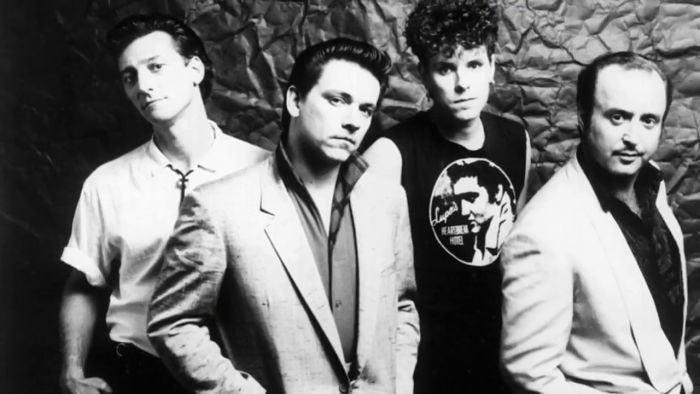
Twas a time in the 1980s wherein blues fell off the mainstream pop culture map during an era (error) of MTV fueled pomp and circumstance over substance. Akin to the punk invasion a decade previous, two torrid Texas ensembles came on the scene to set the rock and roll record straight once again:  Stevie Ray Vaughan’s Double Trouble, and The Fabulous Thunderbirds!


Anchoring the T-Birds at the apex of their commercial success was bassist Preston Hubbard. An swingin’ upright and electric pocket player, Preston honed his craft with Room Full of Blues, and The Alley Cats with Tinsley Ellis– and even turned down an offer to join SRV’s incendiary trio.


Aside from his tenure with the T-Birds, Hubbard anchored tracks, slabs, and/or gigs with Bonnie Raitt, The Vaughan Brothers, Duke Robillard, Etta James, Professor Longhair, Carlos Santana, Albert King, Albert Collins, Nick Curran, and The Blues Brothers among others.


Sadly Hubbard’s career was derailed by substance abuse, however his legacy lives in his grooves!


Preston Hubbard Sound & Vision…


Fabulous Thunderbirds:


“Tuff Enuff” https://youtu.be/EcXT1clXc04


“Wrap It Up” (official video) https://youtu.be/51270i8F3mU


“Wrap It Up” by KYBP Adjunct Professor Tony Senatore with testimonial  https://youtu.be/OjoN0Paq_fQ


“It Comes to Me Naturally” https://youtu.be/Y5XSzUGcmIk


“Stand Back” https://youtu.be/FDp195RuPjA


“Powerful Stuff” https://youtu.be/hzQ2Extfvj4


The T-Birds with Duke Robillard: https://youtu.be/r-bU7ZPwoUI


Bonnie Raitt: “The Road’s My Middle Name” https://youtu.be/cxoIXHiE9Q8


Courtesy of Fabulous Thunderbirds Com

Paul Gray: Shades of Paul Gray Zoom Zezzions

Photo courtesy of Paul Gray Bass Online. Com


He is a bass player you recognize in a single passage!


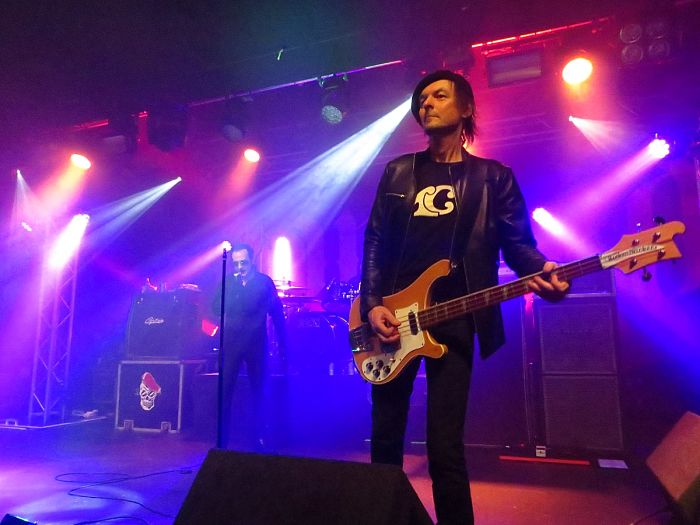
Renowned for his tenure in Eddie & The Hot Rods, The Damned, UFO, and his work with Johnny Thunders and Rob Tyner, among others, Paul Gray is the harmonic and rhythmic anchor of Professor & The Madman – an all-star collective featuring the diverse talents of singer / multi-instrumentalists Alfie Agnew (Adolescents, D.I.) and Sean Elliott (D.I., Mind Over Four); along with drummer Rat Scabies of The Damned. From lockdown in his home studio in Cardiff Wales, Paul discusses the latest PATM album Séance (November 2020), his storied history, Sensible Gray Cells, his love of Rickenbacker basses, and future plans – including remote recording and more.


Tom Semioli Writer / Interviewer. Mark Polott / editor. Mark Preston / Executive Producer. Props to Randy Haecker of Prime Mover Media! 


Shades of Paul Gray Part One: https://youtu.be/UXQGpeA52Z8


Shades of Paul Gray Part Two: https://youtu.be/zEcO4A8U-M0


Know Your Bass Player Waddafoam Hallafame

By Tom Semioli   *Warning: this essay contains irony, useful information, humorous irreverence and reasonable cause for debate…


Attitude is 90% of playing an instrument – to paraphrase (and thoroughly sanitize) one of Miles Davis’ many memorable quotes.


No instrumentalist on the bandstand nor the recording studio exemplifies the “carriage of cool” more so than the bass player.


In the electric / bass guitar realm, there are methods at our disposal for the instances wherein we need to scoop out the overtones, muffle to approximate the din of the doghouse, facilitate a percussive attack, or to simply dampen the strings.


Such practices include the time-tested traditional palm-mute (of which there are permutations – no pun) and the terrycloth fret-wrap  affixed with a Velcro strap attachment which is growing in popularity – especially with extended range players. Of the former, it is an essential technique for all serious (and amused) players.  The latter is a bit, shall we say, “pretentious” but different downstrokes for different low-end folks.


Note that the term “palm-mute” is misleading as the fleshy side of the hand is the body part which actually performs the deed. Purists tend to advocate the organic use of the palm/side-of-the-hand / left-hand finger mute.  I believe that these techniques leave too much room for inconsistency – especially for bassists who position their instrument hip-level or (gulp!) lower.


The left-hand finger mute, as widely heard on funk, jazz fusion, blues passages by Francis Rocco Prestia, Jaco Pastorius,  and Tommy Shannon respectively – affords a quick and effective percussive resonance and facilitates dead / ghost notes as well. 


Though palm and left-hand muting are indeed valuable tools which require no artificial elements – neither of these techniques exemplifies a bassist’s attitude quotient to the extent of the predominantly infallible hallowed “chunk” of polyurethane foam. 


Also known in the Know Your Bass Player community as “waddafoam,”  preferably in a urine yellowish or beige tone which consequently destroys the aesthetic of just about every bass finish save for natural wood, Olympic white, and butter-crème / vintage blonde. This strategically placed wedge adjacent to the bridge is, in my modest opinion, unmatched. For those who prefer a decidedly unassuming appearance, dark gray / black foam is the formal, socially acceptable choice – and compliments many bass finishes. 


Whaddya mean, waddafoam? The bigger the better, the fatter the funkier – depending on the pickup / bridge configuration of the instrument. The 4″ (L) x 2 1/2″ (W)  x 1/2″ (H) waddafoam appears to be the norm  as it affords virtually no sustain or moderate sustain with medium to heavy gauge strings.


The skinny 4″(L) x 1/2 (W) x 1/2″ (H) waddafoam is pictured above on my 21st Century American Fender Precision and similar to those found under the ashtray of older Fender basses and other models including the MusicMan StingRay (that’s Leo for ya!). Observe that the MMSR has individual mutes embedded in the bridge and can hardly be described as a “wadda” – yet its visibility warrants KYBP waddification.   


The slimmer waddafoam is a viable option as it allows for modest sustain with medium and heavy gauge strings while significantly quickening the note decay. Light gauge players have no reason to mute!  More consistent than the palm or the fret-wrap which tends to slide down the neck of the instrument, waddafoam mutes are far more reliable physically and sonically, regardless if you are a finger or plectrum player. 


From  James Jamerson (whose wad was hidden beneath his Fender bridge ashtray, as was custom in the early days of the instrument) to Sir Macca (a wadder with Wings and The Beatles) and his countless bass offspring, to modern players spanning the globe–  waddafoam is the sound, vision, and attitude of thumped greatness. But most of all, it is the epitome of bass unflappability.


It takes personal conviction to waddafoam in public view – be it on a gig or a session date, as we risk ridicule from the conservative motely. Though in this woke age of 2020, waddafoam players are garnering praise in their overt quest for the perfect and appropriate bass tone.


As such, Know Your Bass Player salutes the players who proudly display their waddage on stage and in the studio. 


Congratulations to the Inductees – Know Your Bass Player Waddafoam Hallafame 
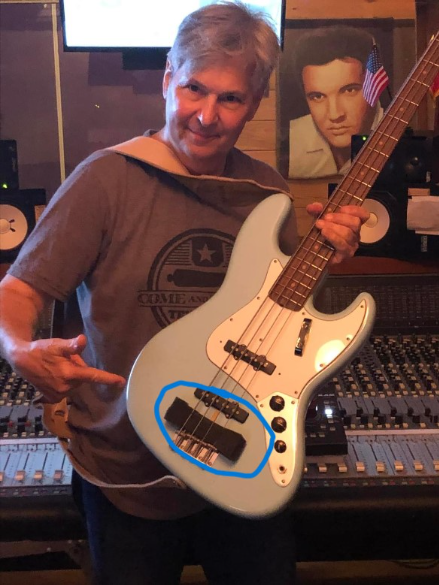
 

Brian Stanley (Garland Jeffreys / Beach Boys / Bryan Adams)
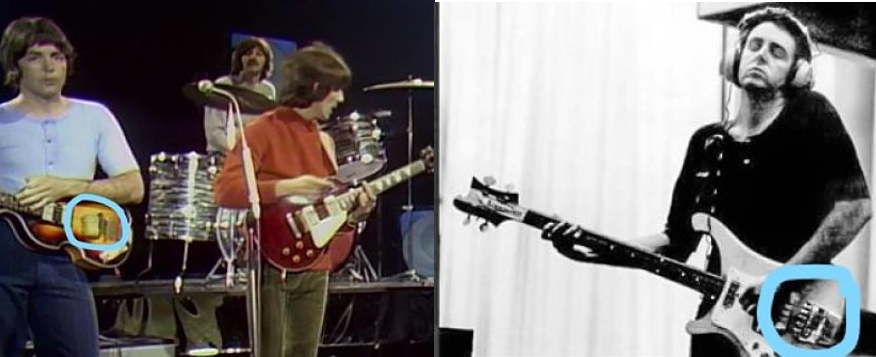


Sir Paul McCartney (The Beatles / Wings)  


Kenny Aaronson (Stories, Bob Dylan, Billy Idol, Rick Derringer, The Yardbirds, Dust, Joan Jett…)
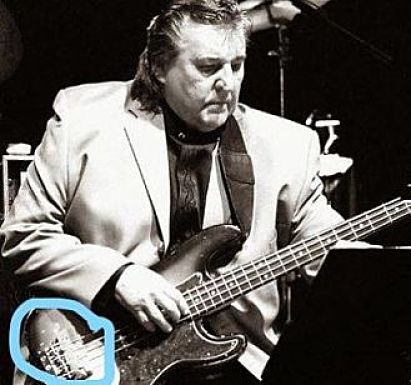


Bob Babbitt (Motown Funk Brothers)
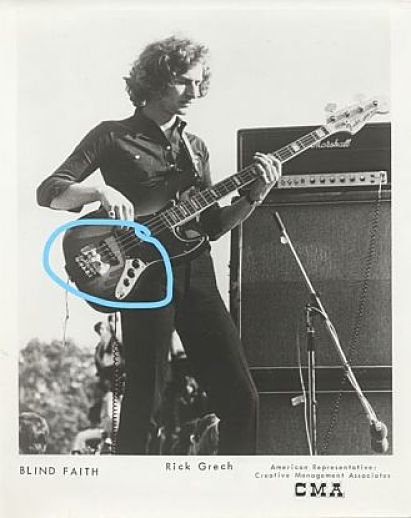


Ric Grech (Blind Faith, Family, Traffic, Gram Parsons…) 
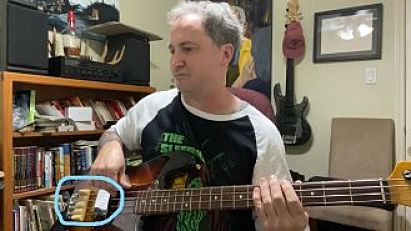


Robert Jenkins (Flooded Tomb, KYBP Austin Bureau Chief)


Suzi Quatro 
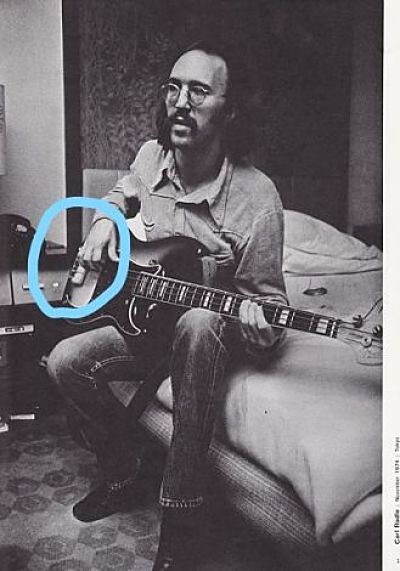


Carl Radle (Eric Clapton, Derek & The Dominoes, George Harrison, Leon Russell, Delaney & Bonnie, Joe Cocker….)
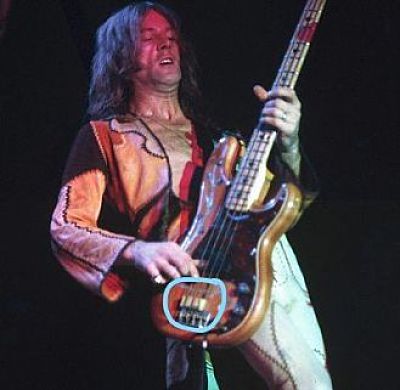


Greg Ridley (Spooky Tooth, Humble Pie) 
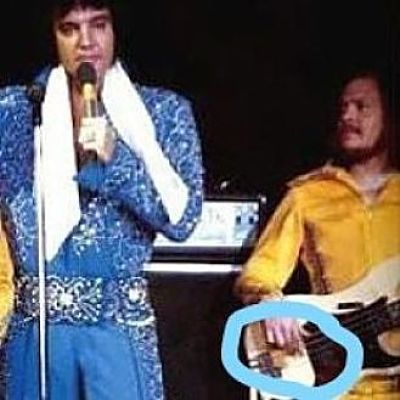


Jerry Scheff (Elvis Presley TCB, The Doors, Richard Thompson, Elvis Costello, Nancy Sinatra, Mick Jagger…)
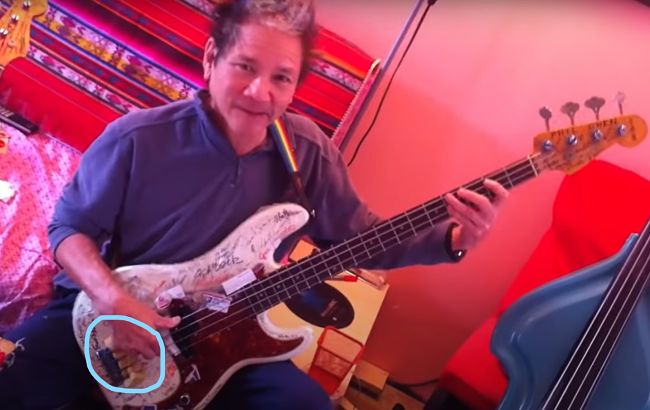


Phil Chen (Jeff Beck, Rod Stewart, Robbie Krieger…) 


Bobby Vega (Sly Stone, Etta James, Santana….)


John Deacon (Queen)


Joe Iaquinto (Peter Cetera, Billy Preston, Branscombe Richmond and the Renegade Posse, KYBP Cub Reporter…) 
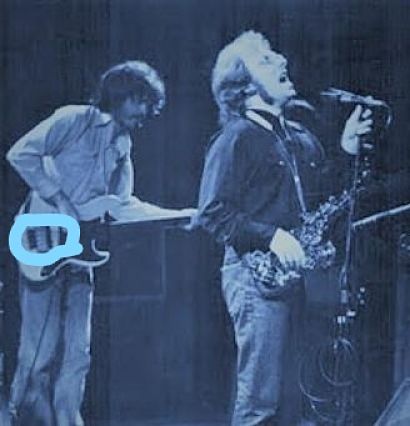


David Keyes (Van Morrison) 
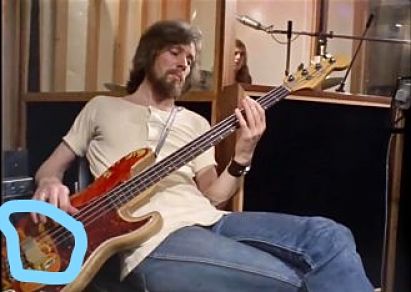


Klaus Voormann (Manfred Man, George Harrison, Ringo Starr, John Lennon, Harry Nilsson, Carly Simon…)
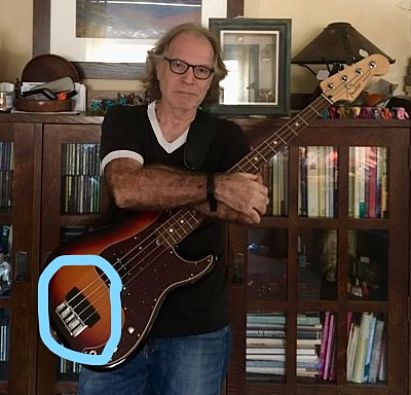


Mark Polott (Haystacks Balboa, Urban Blue, KYBP Editor) 
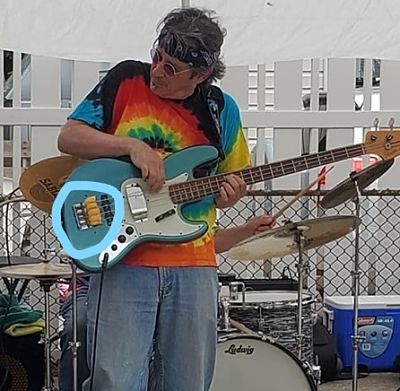


John Cardone (The Sixties, John Ford Band, Mike Barry)
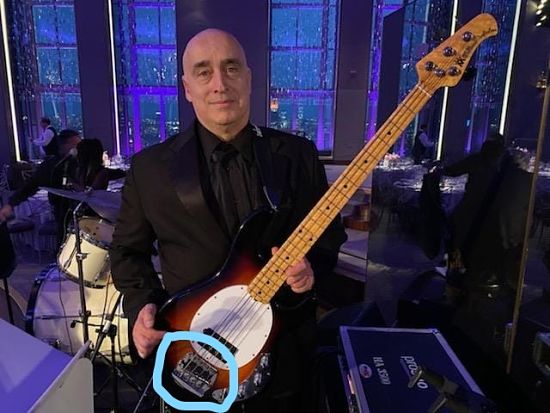


Tony Senatore (Genya Ravan, KYBP Adjunct Professor) *MusicMan StingRay Individual Mute Category
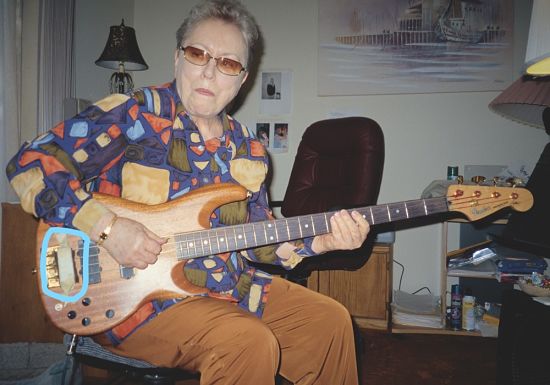


Carol Kaye (Wrecking Crew)
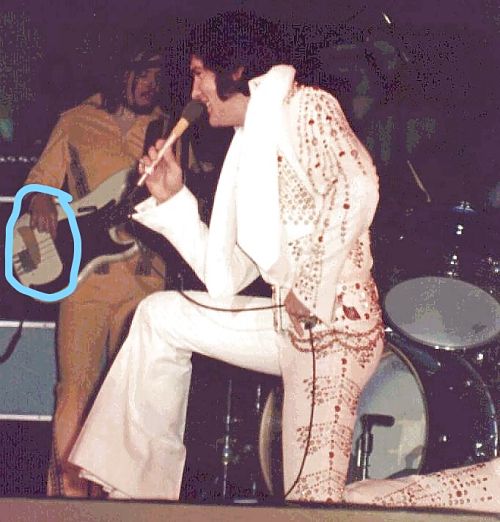


Emory Gordy Jr. (Elvis Presley, Gram Parsons, Emmylou Harris, John Denver…)
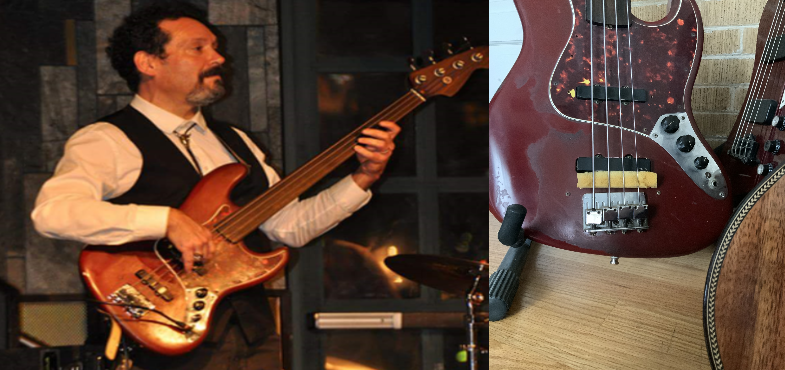


Jon Rogers (Mike Quashie, Michael James Orchestra)
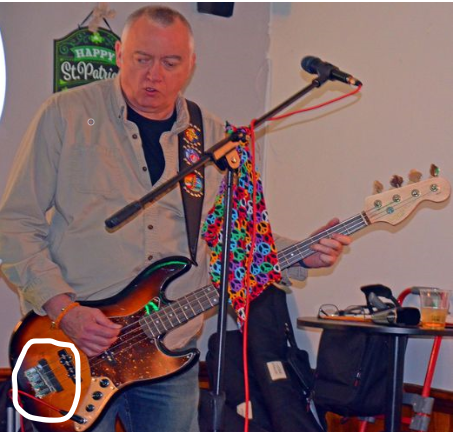
 

Glenn McCready (Hell or High Water)
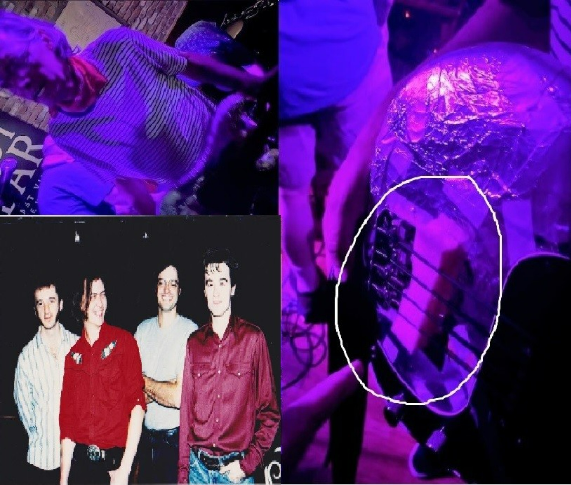


Philp Cohen (Tom Clark & The High Action Boys) 


Stephen Stills (CSN&Y, Joni Mitchell)

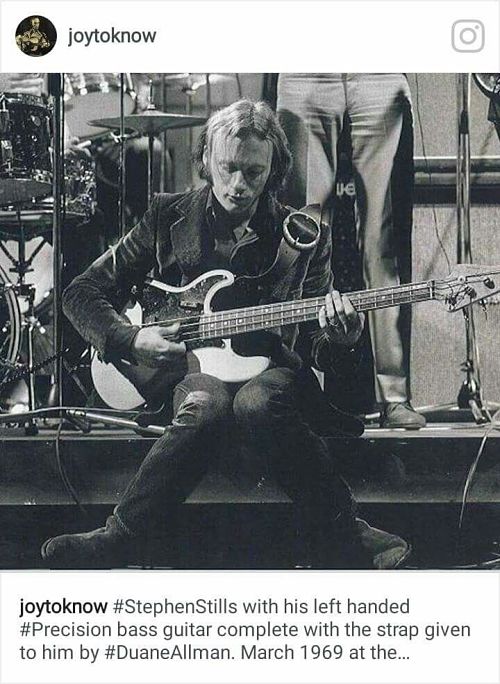
Renowned for his iconic status as a singer, songwriter, recording artist, and guitarist, Stephen Stills, akin to his contemporary Ronnie Wood, is an exemplary bassist.


Stills simultaneously serves as both a melodic player given to upper register motifs, and a pocket player on various CSN&Y sessions and permutations thereof, and with Joni Mitchell. His work on the debut CSN self-titled slab (1969) stands among the greatest rock bass albums of any era. Stills weapons of choice include Fender and Guild basses. 


 Stephen Stills Sound & Vision…


Crosby, Stills, Nash:


“Suite: Judy Blue Eyes” https://youtu.be/OvGfQCsfzUo


“Wooden Ships” https://youtu.be/AdiuqQ7xm30


Joni Mitchell:


“Night in the City” https://youtu.be/OwDkXIK8msM


Tony Senatore Renders “Carey” https://youtu.be/eWMfuSErCOg


Crosby Stills Nash & Young:


“Carry On” https://youtu.be/lh67x9iDCjg


“Teach Your Children” https://youtu.be/dQOaUnSmJr8


John Carey

Courtesy John Carey Net

A wizard, a true star….


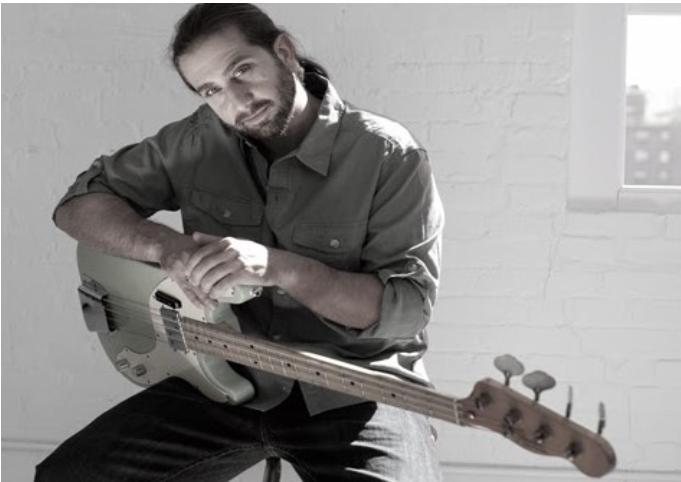
Versatility be thy name. Bassist, composer, educator, humorist, recording artist, sideman, producer, author, journalist, band-member, collaborator, muti-instrumentalist … John Carey is a fixture on the New York City music scene. His impressive body of work spans theater, assorted varieties of session work; rock, jazz, folk, funk and permutations thereof on stage and on record.


Carey’s tome, The Working Bassist, What You Really Need to Know to Survive in New York City (2008), is essential reading for any player seeking to squeeze out a living on our instrument. 


Utilizing a variety of instruments in assorted configurations from the trad-4 to extended range, fretless, along with effects aplenty; John’s eclecticism is reflected in his expansive canon.   


This cat can play anything with authenticity and expertise. John’s ever-expanding list of projects, releases, gigs, and collaborators would break the internet, so keep tabs on JC by way of JohnCarey.Net and PlanetBassNYC on YouTube.


John Carey Sound & Vision…


“Hard Vision”  https://youtu.be/htjlZl9qZGY


“Son of the House” https://youtu.be/3iGnrL5PZRo


“So Bold” https://youtu.be/FYxr_Jzt8k8


“California” https://youtu.be/JB4lPlhQJSE


“Revelry Now- Someone Like You” https://youtu.be/x-qtGWg2poM


Margaret LaBombard (Slyboots)

Courtesy Margaret LaBombard FB


“If a song makes you feel something, you can thank the bass player!”


Whilst willingly winnowing her musical aspirations as a high-school student Margaret LaBombard made her F clef bones on trombone long before her interest electric bass tones, of which she intones “we bass players are all connected by the low frequency…”


A student of KYBPOF Season One star Mike Visceglia and KYBP confidant John Carey (we’ll get you on film soon, I promise), among others, MLB grooves gracefully with an occasional melodic extension on the trad-4 and extended range 5.


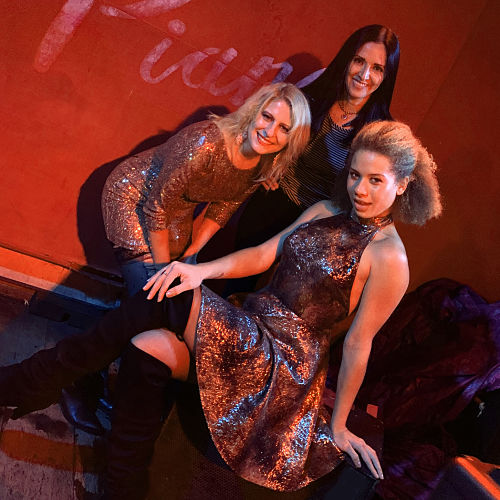
Her main gig is anchoring NYC based new-wave-ish popsters Slyboots with KG Noble.  


Margaret LaBombard Sound & Vision


“If We Could Let Go” https://youtu.be/bET0zLUdsnA


“Kicking the Stars” https://youtu.be/Q3lmz8HV6hM


“Beautiful Loser” https://youtu.be/IuE4qHp3cKs


Courtesy of Slyboots Com

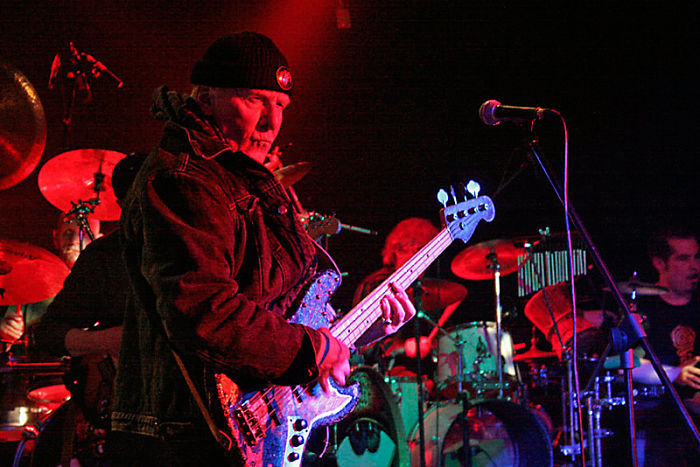
Lothar Meid (Amon Duul II, Passport)


A young, impressionable Lothar Meid was initially introduced to the instrument when he heard American rhythm & blues from the U.S. troops stationed in his native German town.


Meid took up the bass in his teens, and soon found himself on the bandstand backing The Drifters and other soul, vocal groups when they toured military basses, an experience which eventually led to an impromptu jam with Jimi Hendrix in late 1966.


A prog-rock pioneer, multi-instrumentalist and solo recording artist, Lothar worked with Klaus Doldinger on various projects and with KD as the anchor of the German jazz rock collective Passport. Meid commenced a four-year stint in Amon Duul II in 1971. Blending their space / psychedelic / folk rock yearnings with supportive and countermelodic passages, Meid was also a prolific composer with ADll, and occasionally assumed a lead vocal or two.


In his later years Meid participated in various reunion shows with Amon Duul II and Passport until he popped his prog clogs in 2015.


Lothar Meid Sound & Vision….


Amon Dull ll…


“Between the Eyes” https://youtu.be/ZkSAsYjL54s


“Eye Shaking King” https://youtu.be/1eFLGZ14lek


Live 1971 https://youtu.be/3gWd_41sLc4


Lothar Meid Solo…


“Django” https://youtu.be/hvrEFUqMnMs


“Die Helden aus dem Undergrund” https://youtu.be/iQhsCD9jaxs


Passport: “Shirokko” https://youtu.be/kFY105dd_y4


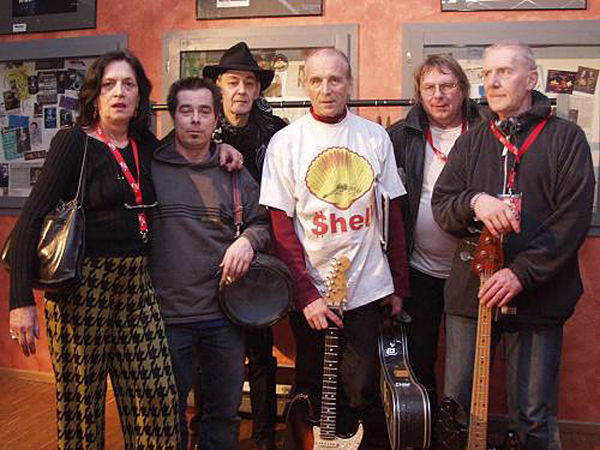
Amon Duul circa 2009

Vivien Garry (Vivien Garry Trio / Quartet)

By Thomas Semioli

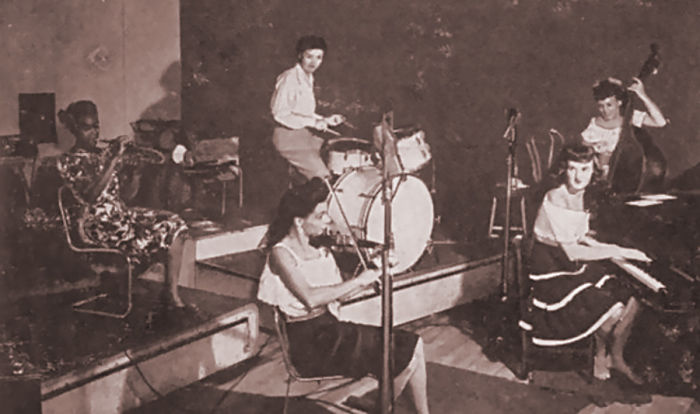
A woman’s place is in the groove!


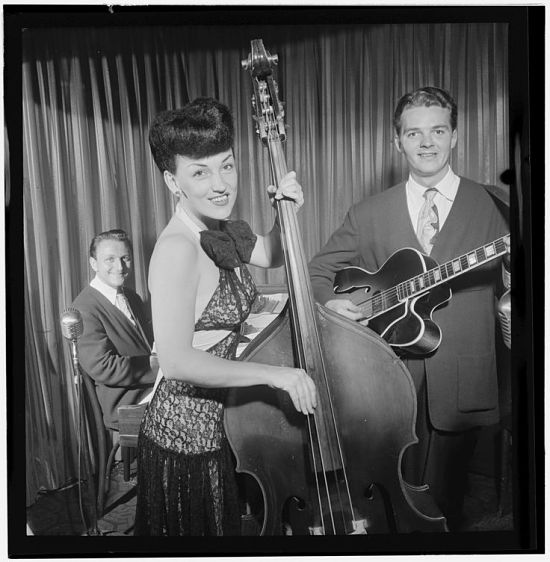
She was a bass player who helped erase the gender line in America’s preeminent artform at the height of its popularity. ‘Twas a time in the 20th Century wherein female presence on the jazz bandstand was usually reserved for chirpers and hoofers. Enter Vivien Garry, born in 1920 and working the doghouse as a pro by the mid-1940s. Ms. Garry waxed sides for independent jazz record imprints aplenty, and scored a major label deal with RCA Victor as a bandleader- a rarity for bassists regardless of their biological disposition. 


In ’46 vivacious Viv formed the Vivien Garry Trio, and later Quartet with her renown guitarist – husband Arv Garrison.  Among Garry’s collaborators included another barrier breaking woman of note, violinist Ginger Smock. Vivien also anchored ensembles featuring top cats such as Shorty Rogers, Shelly Manne, Jimmy Giuffre,  Ricky Jordan, and Eddy Edell.


 Vivien Garry Sound & Vision….


“Hopscotch” https://youtu.be/BBVQ2vmPsBU


“Operation Mop” https://youtu.be/6BZuEHTefaA


“A Woman’s Place is In the Groove” with Ginger Smock https://youtu.be/HCkWdmJMbBE


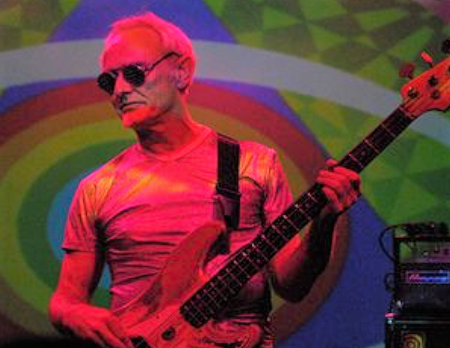
Mike Howlett (Gong, Strontium 90)


He’s the cat who produced the iconic 80s Flock of Seagulls hit “I Ran (So Far Away)!”


Bassist Michael John Gilmour Howlett commenced his music career as the bassist for the Aussie pop ensemble The Affair in the late 1960s. In 1973 Mike took over the bass chair in the prog rock collective Gong, wherein he also made significant contributions as a composer. When he split from Gong, he joined what would later become The Police – serving as “lead bassist” with Gordon Sumner working the pocket, Andy Summers, and Stuart Copeland.


Howlett has forged  a Grammy Award winning career behind the console, producing such artists as Joan Armatrading, The Alarm, OMD, China Crisis, Thompson Twins, and Sniff ‘n’ The Tears,  and the above referenced FOS, among others.


A label owner, former chairman of the Music Producers Guild, and educator (Queensland University of Technology, University of South Wales, among others), Howlett has participated in various Gong reunions over the years and has collaborated extensively with various members of the band.


Mike Howlett Sound and Vision…


Strontium 90 with Sting, Sumner, Copeland:


“Visions of the Night” https://youtu.be/hdiokgQ5VbQ


“New World Blues” https://youtu.be/xP9ySV44lso


“Lady of Delight” https://youtu.be/kx8PBAn0e_o


Gong


“The Isle of Everywhere” https://youtu.be/VXhb0vsgfZE


“Wingful of Eyes” https://youtu.be/ehbowA_pzJE


Hoffnugg / Howlett “Vitality” https://youtu.be/sanDGnJgo7A


Courtesy Mike Howlett FB

Ace Kefford (The Move)


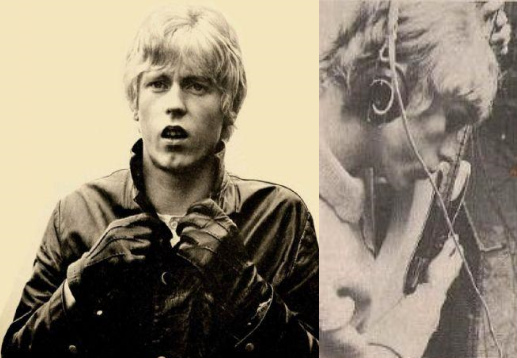
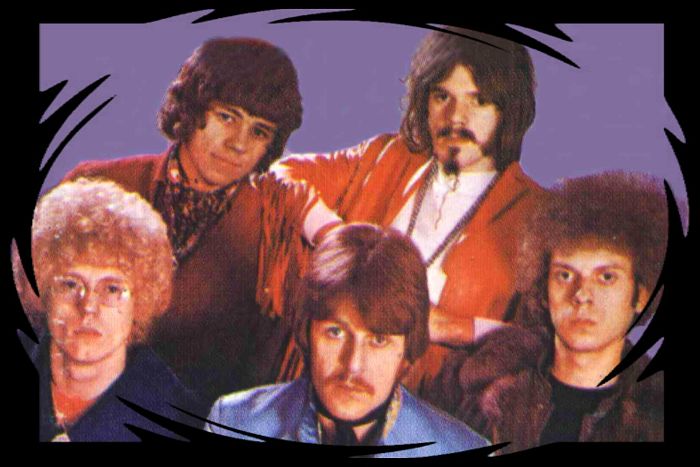
The Move, co-founded by bassist Christopher “Ace” Kefford were among the seminal British psychedelic-pop progressive rock ensembles of the late 1960s – early 70s. Appearing only on the band’s self-titled platter, Ace was a charismatic performer who, according to drummer Bev Beven “functioned as the group’s pouting glamour-man.” Akin to Brian Jones and Syd Barrett, Ace was a casualty of the psychedelic era.


A scrapped 1968 solo album produced by Tony Visconti which eventually surfaced in 2003, scattered recordings by the short-lived Ace Kefford Stand collective featuring drummer Cozy Powell, and a brief stint (and single) with the band Rockstar (1976) have further enhanced his legend.   


Ace Kefford Sound & Vision…


The Move:


“Morning Dew” https://youtu.be/PJz2BOcufu8


“Flowers in the Rain” https://youtu.be/cT2exTHx8f0


“Fire Brigade” https://youtu.be/UVys3YPRLWk


Ace Kefford Solo:


“Save the Life of My Child   https://youtu.be/9aWl44pcgeY


“Daughter of the Sun” https://youtu.be/1lzRA5B1q_g