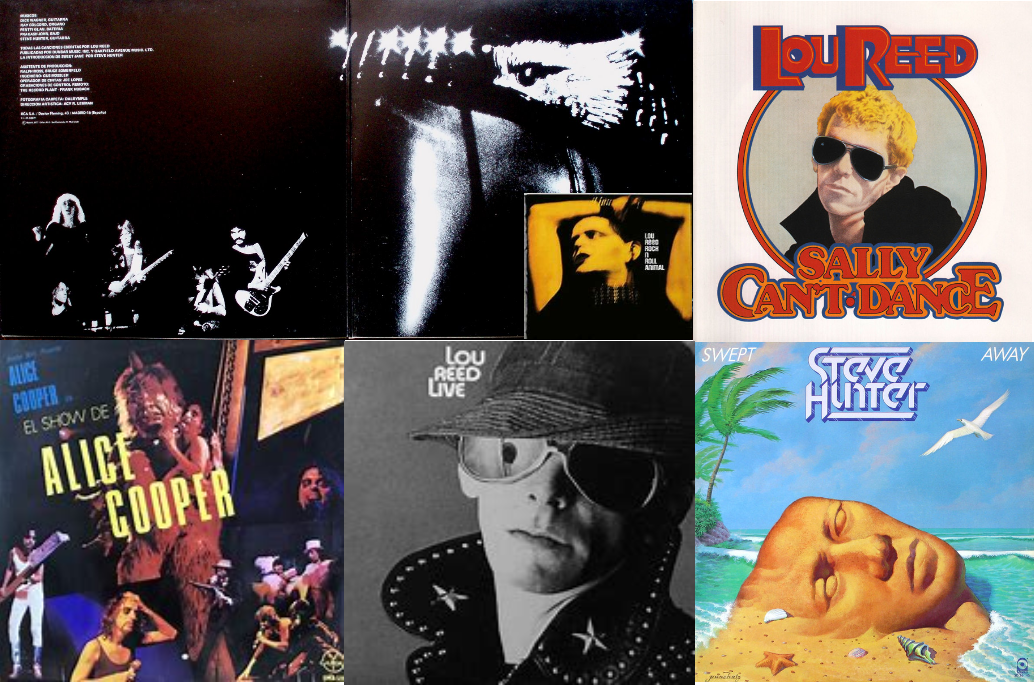
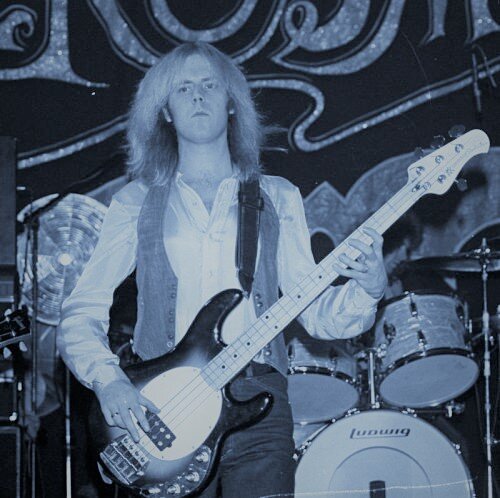
When Lou Reed decided to transform his persona from underground artist to a bona-fide arena rocker, he enlisted guitar shredders Dick Wagner and Steve Hunter, drummer Whitey Glan, keyboardist Ray Colcord, and bassist Prakash John to forge his sonic assault. The result was one of rock’s greatest concert releases: Rock n RollAnimal (1974) – and one of rock’s greatest bass performances.
With Steve Katz in the producer’s chair, John and the band essentially threw every motif imaginable against the wall and somehow all of it stuck!
With a strong foundation in his native Indian music, along with studies in classical, and a passion for rhythm & blues borne of his dues paying days in Toronto based Top 40 bands, John’s harmonic extensions and endless rhythmic variations within the most basic of rock chord progressions were inventive ala Jack Bruce. Perhaps Jaco heard Prakash with Lou and decided to tweak his bridge pickup – we’ll never know. John’s soulful playing on Sally Can’t Dance helped Lou nail his only Top 10 album.
After Lou sacked his Animal band, John and his mates went to work for Alice Cooper and replicated their signature din as heard on the live Alice Cooper Show album.
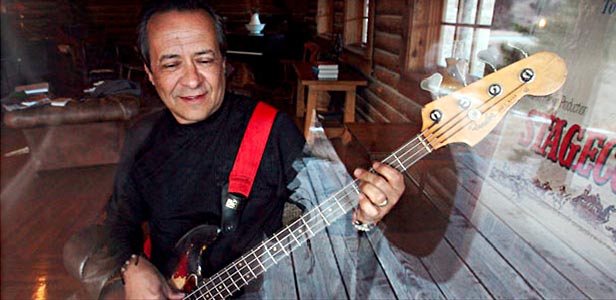
Kenny Passarelli (Elton John, Hall & Oates, Joe Walsh)
By Thomas Semioli
A composer, producer, bandmember, collaborator and recording artist – Kenny Passarelli has been the go-to bass player for numerous Rock and Roll Hall of Fame artists, serving as the harmonic and rhythmic catalyst on several seminal sides, and ensembles.
Born in Denver, Colorado, Kenny’s musical journey began as a classical trumpet player – studying with Byron Jolivett, and performing with the “Inaugural Band” as a member of the Denver Junior Police Band.
Following his meeting with Stephen Stills, who played him demos of his new group Crosby Stills Nash &Young, Kenny opted for a career in rock and roll. Though he missed the opportunity to work with the iconic guitarist at Woodstock in ‘69, Kenny nailed a gig with Joe Walsh, fresh out of the James Gang, with his band Barnstorm also featuring drummer Joe Vitale.
Working on-and-off with Walsh throughout the 70s, Kenny co-authored “Rocky Mountain Way” and his ascending fretless motif enabled Wash to live a “Life of Illusion” – another classic rock track which he co-wrote with Walsh.
Along with Rick Danko and Boz Burrell, Kenny was an early proponent of the fretless bass in a rock context which he plays with a decidedly soulful / rhythm and blues approach.
At the recommendation of Walsh, Kenny was the foundation of Reg Dwight’s second greatest band as heard on Rock of the Westies (1975), Blue Moves (1976), and the archival Captain Fantastic Live at Wembley (2005).
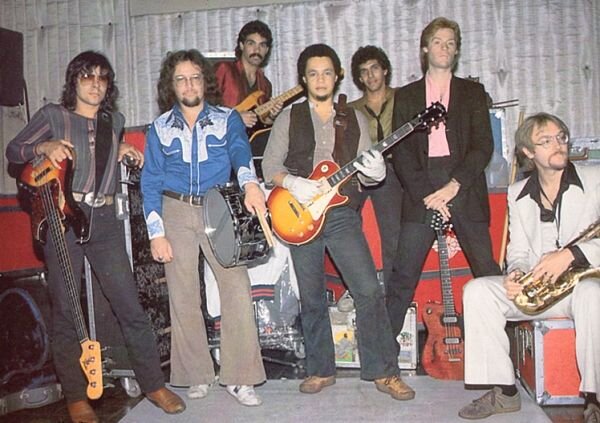
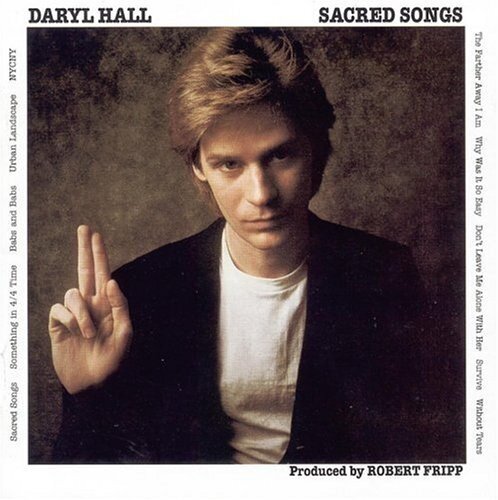
As the bedrock of the Darryl Hall & John Oates band, Kenny waxed Livetime and Along the Red Ledge (1978) in addition to Hall’s iconic Sacred Songs slab.
Courtesy of Hall and Oates Com
Dig Tony Senatore’s renditions of Kenny’s select work with Darryl Hall and John Oates:
Several musical guests on Live From Daryl’s House have rendered compositions from Sacred Songs with their esteemed host– and with good reason: it stands among the seminal slabs of its era!
Go figure why RCA shelved it for three years fearing its lack of commercial potential.
Produced by Robert Fripp, who also renders his signature sonic guitar soundscapes, Sacred Songs prominently features the core of Sir Elton’s most dexterous ensemble : guitarist Caleb Quaye, drummer Roger Pope, and bassist Kenny Passarelli. The tracks, which were recorded in 1977, burst forth with the vibrancy a concert performance – even though they never played ‘em on stage!
Kenny works his gritty soul influences from cut to cut, and keeps the pocket percolating when reinforcing Daryl’s left-hand keyboard motifs throughout.
Dig Tony Senatore’s rendition of Kenny’s bass passages from Sacred Songs…
Kenny also shined on notable slabs by Stephen Stills (Stills and Stephen Stills Live -1975), Rick Derringer (All American Boy / 1973), Otis Taylor, and Dan Fogelberg (Souvenirs / 1974), among others.
His impressive solo canon, which also features Kenny’s talents as a pianist, includes releases which are a meld of classical, new age, and Spanish heritage.
Coda: In November 2016, I cited Kenny Passarelli among Eleven More Bass Players Who Belong in the Rock and Roll Hall of Fame in Huffington Post http://huff.to/2gHNIOA in the Musical Excellence category.
Among Kenny’s weapons of choice include the Fender Jazz bass, and the fretless Fender Precision bass.
Jim Rodford (Argent, The Kinks, The Zombies)
By Thomas Semioli
In Memoriam: The axiom “don’t get too close to your heroes…” did not apply to my bass hero Jim Rodford. When we spoke on film at his local pub in St. Albans where The Kinks, Who, Beatles, and Stones, among others, all honed their craft back in the day, Jim shared insightful and untold stories about his career, the artists, and the era. As per my request, Jim was kind enough to dig his weathered Fender Mustang out of storage which can be heard on The Kinks and Argent classics. With my colleagues’ co-producer Mark Preston and cameraman Derek Hanlon, I bought Jim a pint or two to repay all those bass lessons from In Deep, Low Budget…. Godspeed to the great Jim Rodford!
If you’ve ever grooved to “Hold Your Head Up,” “Give The People What They Want” “God Gave Rock and Roll to You,” “Come Dancing,” “(Wish I Could Fly Like) Superman,” and “Destroyer” among other Argent and Kinks “Klassics,” please refer to James Walter Rodford, of St. Albans, Hertfordshire England. As a member of Mike Cotton Sound, Jim shared stages with The Beatles, The Who, The Animals, and The Kinks’ original line-up.
He was a founding member of the progressive pop powerhouse Argent (1969-76) and the longest tenured (1978-96) and most musically adept bassist The Kinks employed after the departure of Peter Quaife. With Argent, Rodford rendered adventurous counterpoint for the band’s legendary extended instrumental passages. With the Kinks, Jim underpinned Ray’s melodies and Dave’s riffs with inventive lines that facilitated the band’s commercial and artistic rebirth the moment he joined. Jim also appeared with The Kast-Off Kinks tribute band, wherein he replaced John Dalton whom he originally replaced in The Kinks back in the late 1970s!
The ageless Jim Rodford continued to ply his bass artistry on stage and on record with revamped line-ups of Argent, The Zombies, and the Colin Blunstone Band, among others until his passing in 2018.
Coda: I cited Jim Rodford (and John Dalton) in Eleven Bass Players Who Belong inthe Rock and Roll Hall of Fame for Huffington Post in 2015: http://huff.to/1WPHSp6
And Jim was also mentioned in my Huffington Post interview with Colin Blunstone and Rod Argent The Zombies Still Got That Hunger for New York City: http://huff.to/1JQbpWe
Dig Jim Rodford in Know Your Bass Player on Film Season One 2014 – filmed at The Horn, in St. Albans UK https://bit.ly/2QuX6E7
Ronnie Lane (Faces, Slim Chance)
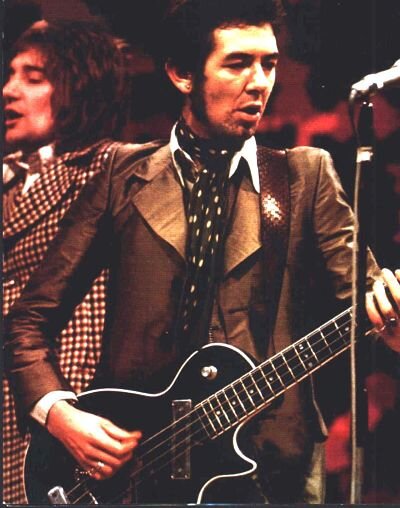
Affectionately referred to as “Plonk” by his bandmates for reasons not appropriate to discuss on this forum, the late great Ronnie Lane’s career, which spanned from 1965 until his passing in 1997, was an amazing journey which traversed pop, folk, rhythm and blues, soul and permutations thereof.
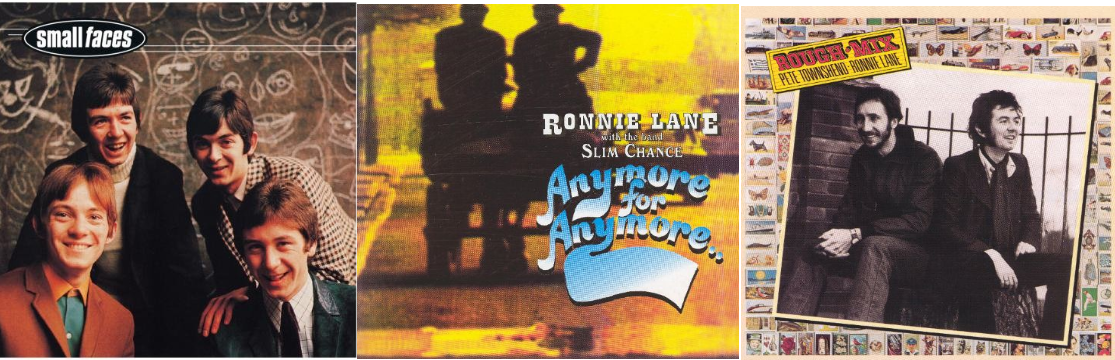
Though he is more renowned for his songwriting with Steve Marriott and the Small Faces, and later with The Faces (“Glad and Sorry,” “Debris,” “Stone”) Mr. Lane was a remarkably fluid bassist who served as a pocket player and melodic foil – often within the same composition.
Ronnie’s solo career leading Slim Chance was a groundbreaking meld of traditional English folk and rock which inspired generations on both sides of the Atlantic.
Lane’s collaborative album with Pete Townshend Rough Mix (1977) was among the most overlooked gems of the 1970s.
When he was stricken with multiple sclerosis in 1983 – Mr. Lane assembled the historic Ronnie Lane Appeal for ARMS (Action into Research for Multiple Sclerosis) Charity Concerts in the UK and US which featured his mates Jimmy Page, Eric Clapton, Jeff Beck, Steve Winwood, Andy Fairweather-Low, Paul Rodgers, Joe Cocker, Ray Cooper, Chris Stainton, Bill Wyman, Kenny Jones, and Charlie Watts among others.
Though diminutive in physical stature, Mr. Lane was a giant of classic rock – and kept gigging to the very end despite his debilitating disease.
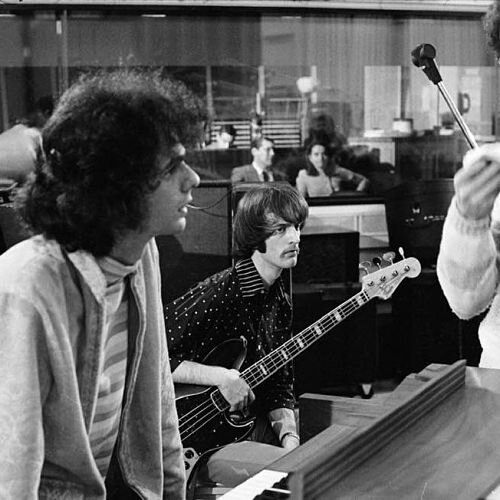
Jim Fielder (Blood, Sweat & Tears, Buffalo Springfield, Tim Buckley) VIDEO INTERVIEW
Courtesy of Jim Fielder FB
“Jim Fielder is one of the pioneers of the Fender Bass. His lines were as important and recognizable to listeners as the melodies and words.” Ron McClure
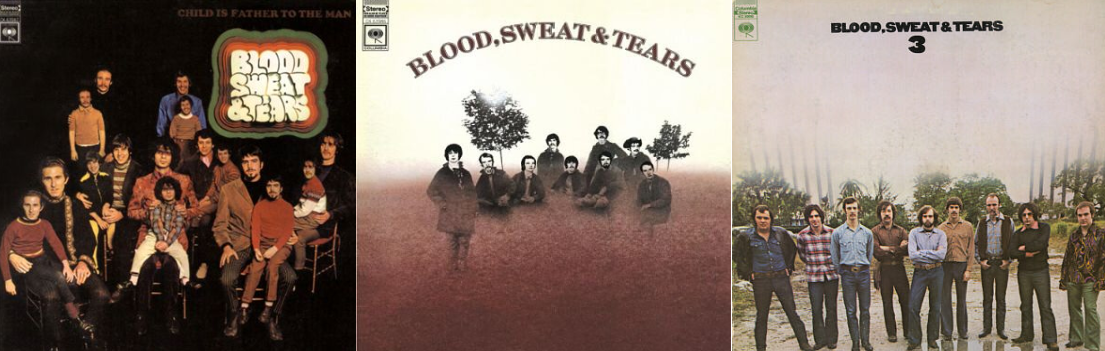
As a founding member of Blood Sweat & Tears, Jim Fielder’s bass playing captivated millions by way of the band’s extraordinary run of hits and classic albums, including the monumental Child Is Father to the Man (1968), and BS&T (1969) both of which were a groundbreaking meld of rock, jazz, rhythm & blues, and pop music.
The towering Texan also contributed to landmark albums by Frank Zappa & the Mothers of Invention (guitar on Absolutely Free), Buffalo Springfield (Again), George Benson (Tell It Like It Is), Tim Buckley (s/t, Goodbye and Hello), Gene Clark, Chris Hillman, and Al Kooper among others.
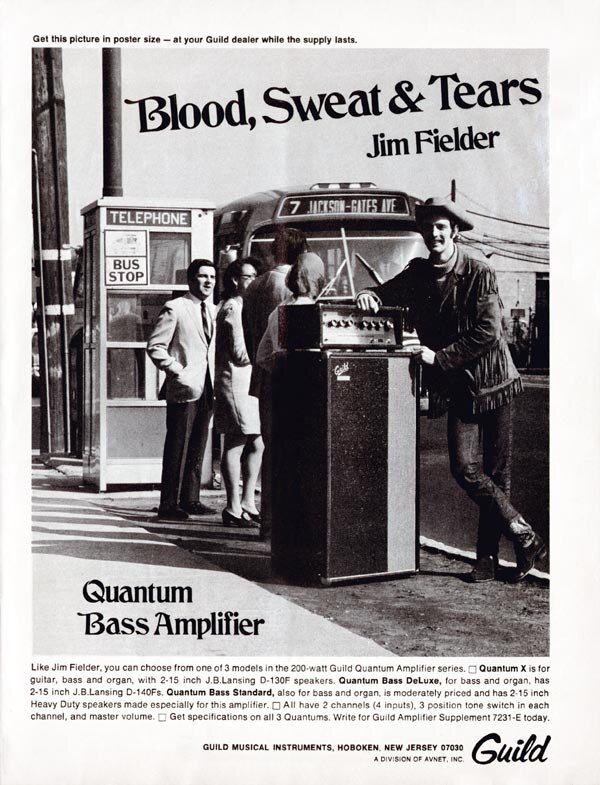
Profoundly inspired by James Jamerson, Fielder likely helped Fender sell many a Precision bass in the late 1960s as his warm gritty tone, and soulful improvisations within Blood, Sweat & Tears’ amazing repertoire were a constant presence on AM/FM radio. Following his time in BS&T, Fielder became Neil Sedaka’s musical director/bassist for several years.
For additional insight on Jim’s career, check out KYBP Chicago Bureau Chief Joe Gagliardo’s Goldmine interview – published in 2010. https://bit.ly/2yMIivf
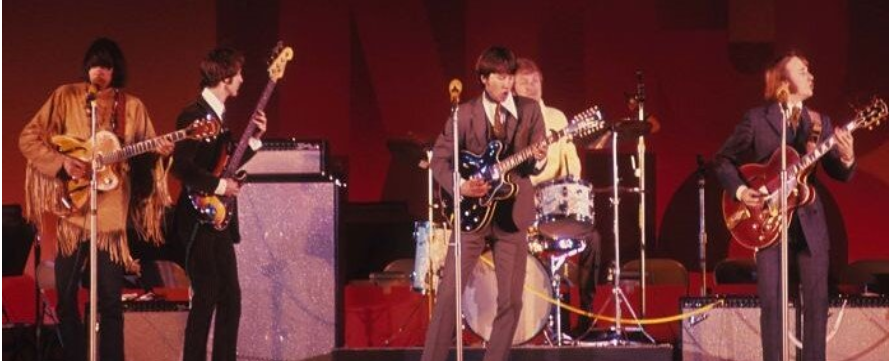
Jim on stage with Buffalo Springfield – Courtesy Buffalo Springfield Com
When William Martin Joel was allowed to bring his seasoned touring band into the recording studio – he waxed one of the best singer-songwriter sides of his generation The Stranger (1977)*, which was the first of a series of seminal slabs by the piano man.
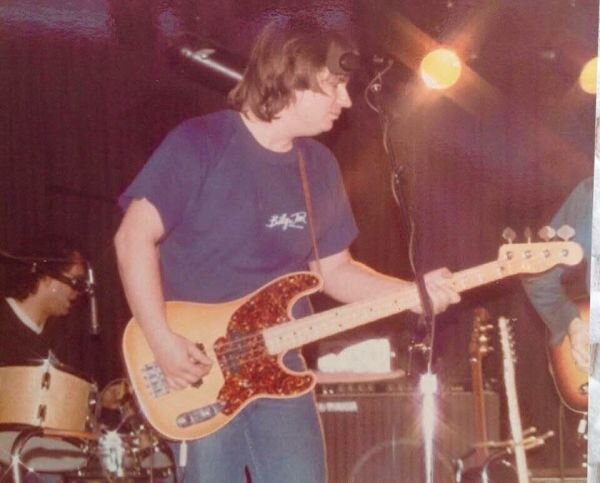
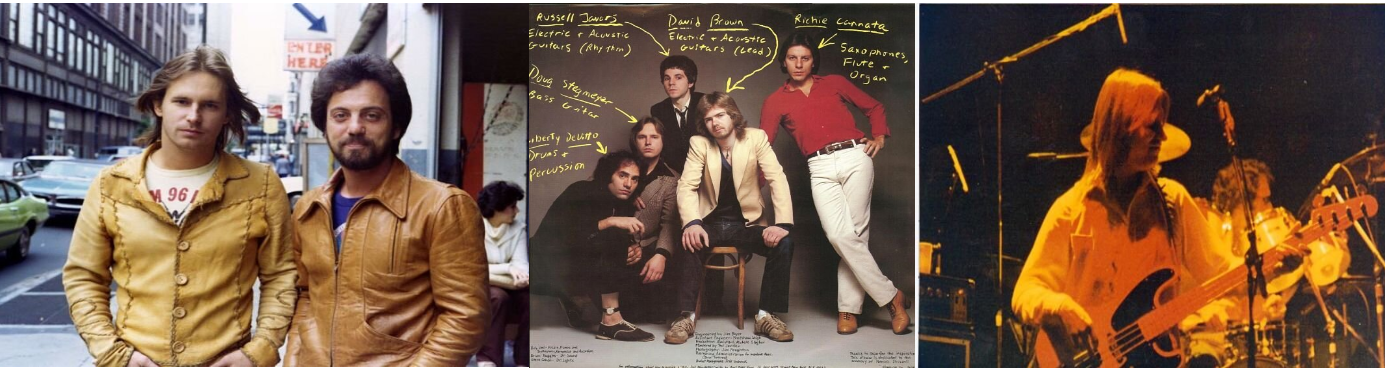
The late Doug Stegmeyer embellished Billy’s hits and album tracks with tastefully executed grace notes, slaps, fretless glissandos, and nimble plectrum and finger picking – all rendered with a crisp bite in the service of the song. Doug came to the attention of Joel as a member of the band Topper, which also featured Liberty DeVitto and Russel Javors. His first tour with BJ was in support of the Streetlife Serenade album, waxed in 1974 which he did not appear on.
*Members of the “classic” Billy Joel band appeared on Turnstiles (1976) – which failed to reach a wide audience upon its initial release.
Rock journalist Stephen Thomas Erlewine noted in All Music Guide: “…no matter how much stylistic ground Joel covers, he’s kept on track by his backing group. He fought to have his touring band support him on Turnstiles, going to the lengths of firing his original producer, and it was clearly the right move, since they lend the album a cohesive feel. Turnstiles may not have been a hit, but it remains one of his most accomplished and satisfying records, clearly paving the way to his twin peaks of the late ’70s, The Stranger and 52nd Street…”
As pictured, Doug’s main weapon of choice was the Fender Telecaster bass.
Doug Stegmeyer / Huffington Post Eleven More Bass Players Who Belong in the Rock and Roll Hall of Famehttps://bit.ly/38QIjf7
Bruce Springsteen came to his senses and ensured that the E Street Band got their props – albeit fifteen or so years too late. Now Billy Joel needs to own up to the responsibility. As I and millions of others were witness, the classic Billy Joel band line-up of saxophonist / keyboardist Richie Cannata, drummer Liberty DeVitto, guitarists Russell Javors and David Brown, and the late bassist Doug Stegmeyer were among the best live bands of their era. And they were magic in the recording studio.
In the absence of Stegmeyer and company, Billy made good records. With Doug and the boys, Billy waxed classic records. The Billy Joel band came of age in the 1970s – an incredibly fertile and diverse era. In those days, music artists competed and played on concert bills with everyone; spanning fusion powerhouses such as Return to Forever and Weather Report, to supergroups including Led Zeppelin; to groundbreaking roots artists such as Asleep at the Wheel and Townes Van Zandt; to prog rock masters Yes, Jethro Tull and King Crimson; to soul visionaries Stevie Wonder, Marvin Gaye; to reggae innovators Bob Marley; to politico punk rockers such as The Clash and Patti Smith; to singer songwriter pioneers such as Joni Mitchell, Bob Dylan, Laura Nyro, Carole King and Van Morrison; and whatever we can pin on Frank Zappa and The Mothers – to name a very select few. Before computers hypnotized the masses, ad agencies segregated listeners, and bands became “brands,” young audiences of my generation were attuned to musical excellence.
The classic line-up of the Billy Joel band exuded musical excellence and stood equal among these above referenced 1970s era artists. Go back and listen to their records, and their sizzling live set on The Stranger Deluxe Edition which fuses jazz, bar band rock, and Broadway. Doug Stegmeyer and his bandmates elevated the artistry of Billy Joel on stage and on record to greatness, and are long, long, overdue for their recognition in The Rock and Roll Hall of Fame in the Musical Excellence category.
Tony Levin (King Crimson, John Lennon, Peter Gabriel)
Photo by Juergen Spachman from Tony Levin Com
By Thomas Semioli
A revered session bassist, sideman, band-member, composer, recording artist, blogger, and photographer, among other endeavors who prolifically doubles on the Chapman Stick: Tony Levin began his musical journey as a classical bassist and tuba player, has been a pillar in Peter Gabriel’s various genre defying ensembles since 1978.
In addition to leading his own groundbreaking bands (Stick Men, Bruford Levin Upper Extremities), Tony was a member of King Crimson for their pioneering latter day studio albums Discipline, Beat, Three of a Perfect Pair, and Thrak and continues to tour with Fripp and company on various anniversary treks.
You also know Tony from his outstanding work on over 500 albums with artists including John Lennon (Double Fantasy), Paul Simon (One Trick Pony) Robert Fripp (Exposure), Pink Floyd (A Momentary Lapse of Reason), Alice Cooper (Welcome to My Nightmare), Lou Reed (Berlin), Todd Rundgren, Seal, Anderson Bruford Wakeman Howe, and Carly Simon to name a few.
Tony is also renowned for his “funk fingers” which are modified drum sticks attached to his finger-tips which essentially pound the bass strings a la slap style.
In addition to his Rock ‘n’ Roll Hall of Fame-worthy career as a bassist, Mr. Levin was among the World Wide Web’s first bloggers wherein he published road diaries of the various tours he participated in – which you can access via his www.papabear.com.
Also be sure to check out Tony’s work on TonyLevin.Com
Tom Hamilton (Aerosmith)
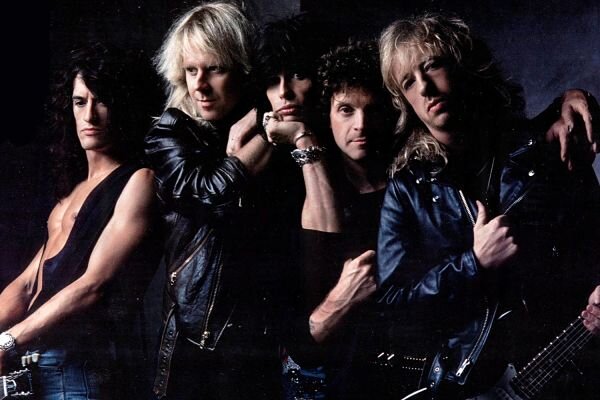
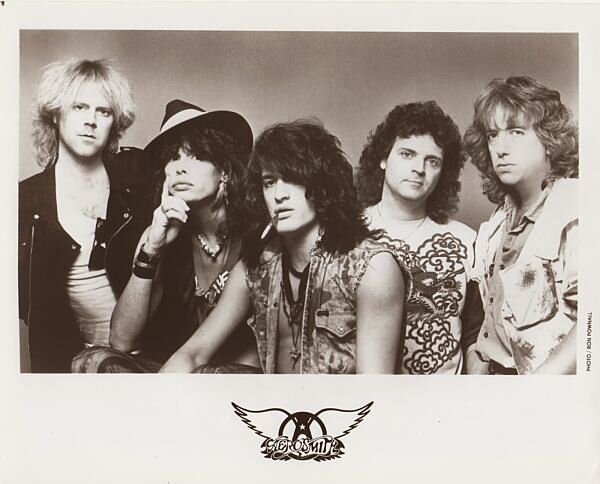
Photo courtesy of Aerosmith Com
By Thomas Semioli
He anchors the almighty Demon of Screamin’ in what is arguably America’s greatest rock and roll band.
A chameleonic player, Thomas William Hamilton varies his tools and tone yet maintains his identity within the boundaries of the Aerosmith.
He works the pocket, he doubles the riffage, he renders countermelodies… and he’s done it all on Fender basses (Precision and Jazz), G & L, MusicMan Stingray, MusicMan Sabre, Hofner, Sadowsky, Parker…and probably a few I’ve missed.
His motif to “Sweet Emotion” is among the most recognized in the history of rock and roll: https://youtu.be/wwKwoU9cQ_o
Tom has dozens of co-writing credits including the aforementioned “Sweet Emotion,” as well as “Janie’s Got a Gun, “Jaded,” “Critical Mass,” and “Sick as a Dog.”
On latter-day slabs Pump (1989), Get A Grip (1993), and Nine Lives (1997) Hamilton harbors a growling low B to further underpin the Tyler’s hoops ‘n’ hollers coupled with Joe Perry’s raucous riffage.
On the band’s fifteenth studio effort Music From Another Dimension (2012) Tom takes the lead vocal for the first time on “Up on the Mountain.”
Among Tom’s signature passages is “Walk This Way.”
Here is Jack Douglas -from a KYBP social media thread – discusses how Hamilton achieved his sound on this track: “Basic secret of Walk This Way bass sound was setting up the SVT EQ, using the right mics and combining it with the dir. Same with Sweet Emo except I doubled the bass line with a bass marimba, which Jay Messina played so tight you can’t hear it. The Flickenger Limiter with the 100 cycle pass through tightened up the whole sound and the massive amount of tubes in that monster added it’s own special sauce.”
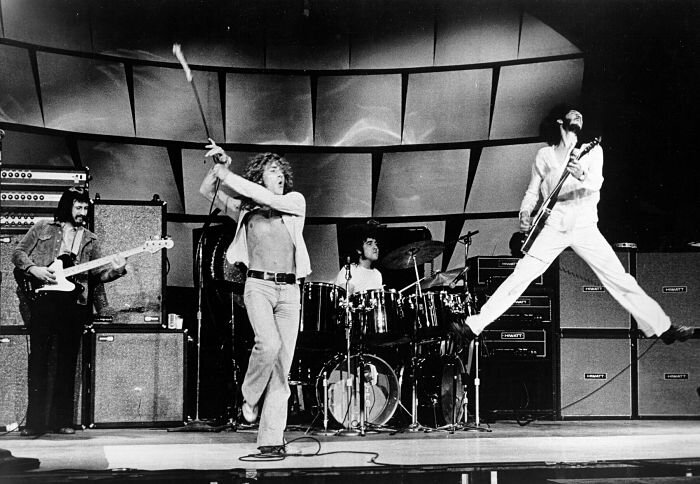
Aptly dubbed “The Ox” and “Thunderfingers” – the late, truly great John Alec Entwistle shattered the concept of rock bass as a solely supportive instrument by cranking the treble tone way beyond its intended function whilst creating breathtaking counter melodies within the context of Pete Townshend’s compositions, which were quite tuneful to begin with. Entwistle’s harmonic modus operandi was not hard to decipher for an educated bassist– The Ox lived and died (no pun intended) by the pentatonic scale.
With expeditious dexterity and his considerable use of volume which rivaled Jimi Hendrix, John was also an early proponent of string tapping and harmonics.
In addition to his patented three-finger plucking technique and deft use of a plectrum, John’s historic collaboration with Rotosound to develop round-wound strings revolutionized the sound of the electric bass.
Most folks cite Live at Leeds and Quadrophenia as John’s masterworks – however his bass playing on The Who’s less acclaimed studio albums: By Numbers, Who Are You, Face Dances, and It’s Hard are equally spectacular.
And consider the fact that he was the only bassist who could negotiate the percussive onslaught of Keith Moon.
John’s solo break on “My Generation” is, to my ears, the best rock bass solo ever committed to tape with regard to execution, timbre, and melody. But that’s just my opinion….
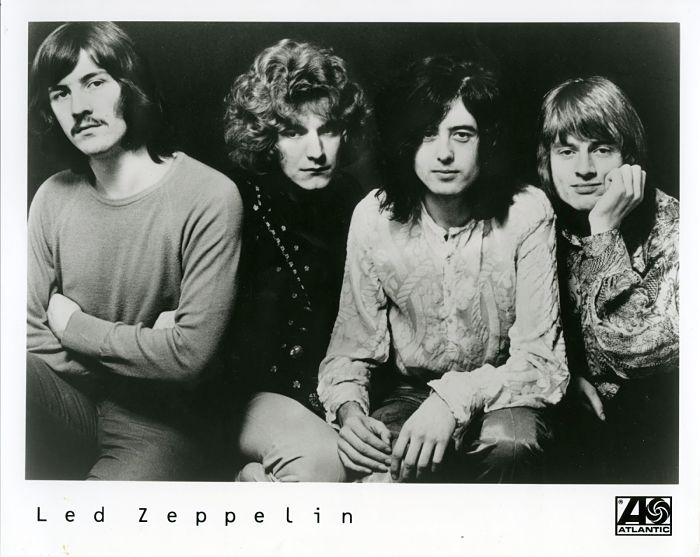
Rock journos tend to discuss the former John Baldwin as Led Zeppelin’s “secret weapon.” What’s the secret? John Paul Jones was up in the mix, his harmonic and rhythmic expertise as a bassist and keyboardist defined the band’s signature identity, and his musical knowledge expanded the range of Page, Plant, and Bonham’s artistry collectively and individually!
Previous to his tenure in Zep, Jones was an in-demand session cat, arranger, and producer on the fertile London studio scene of the early to mid-1960s. Among his higher profile credits included Donovan (“Hurdy Gurdy Man,” Mellow Yellow,” “Sunshine Superman”), the Rolling Stones (“She’s a Rainbow”), Cat Stevens, Rod Stewart, Lulu, Shirley Bassey, Herman’s Hermits, and Jeff Beck to cite a select few.
According to lore, he joined forces with Page, a session colleague, out of boredom from long days and nights in the studio. Mentored by his musical parents Joe Baldwin: a big-band pianist, and singer / performer mom, Jones’ theoretical (and historical) expertise informed his work as a bassist.
Whereas most rock bassists tended to follow the guitarist (as many a player were converted six-stringers), Jones was heavily influenced by James Jamerson, James Brown, and the Stax cats. Akin to the Motown legend, Jones worked a soulful pocket with jazzy harmonic extensions which set Zep apart from the loud and proud motley.
He is cited by scores of bassists as a primary influence – however I’ve heard few hard rock players cop his rhythm and blues feel. In particular, Led Zeppelin II is Jonesy’s masterpiece. JPJ’s main weapon of choice was the ’62 Fender Jazz, though he often brought the vogue Alembic on stage with him in the 1970s.
Led Zeppelin’s career trajectory has been extensively documented – no need to repeat it here! Following Zep’s demise, Jones continues to enjoy a diverse career, collaborating and composing with artists spanning jazz, experimental, and alternative rock.