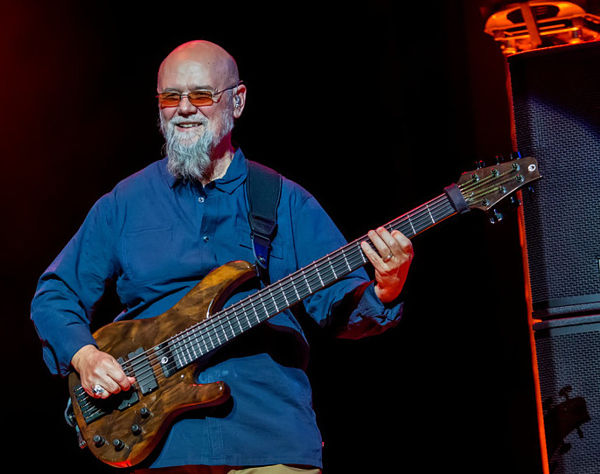
Courtesy of John Mayall Com
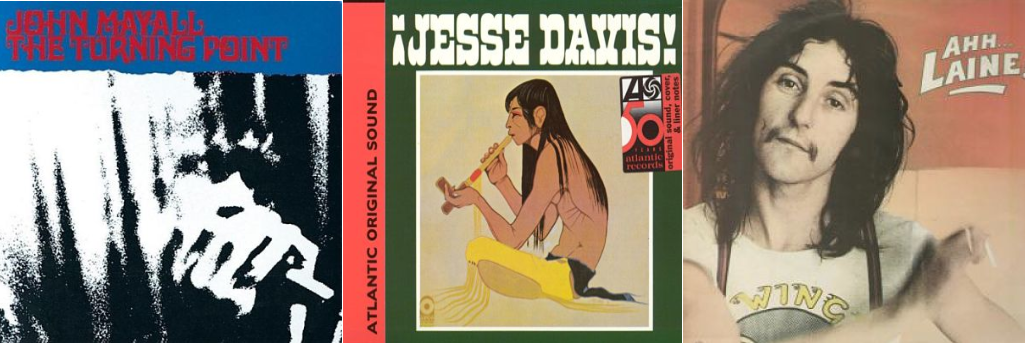
A soulful pocket player given to supportive harmonic extensions and grooves, the late Stephen Thompson was a magnificent anchor for John Mayall – especially the Bluesbreaker bandleader’s brilliant drummer-less ensemble as captured on the iconic live collection The Turning Point (1969). An in-demand session player, Thompson also waxed seminal sides with Jesse Ed Davis, Stone the Crows, Denny Laine, Alvin Lee, and Kevin Coyne, among others.
Dig Stephen (with drums) with John Mayall “The Laws Must Change” https://youtu.be/UzmqxTBaNyI


By Thomas Semioli
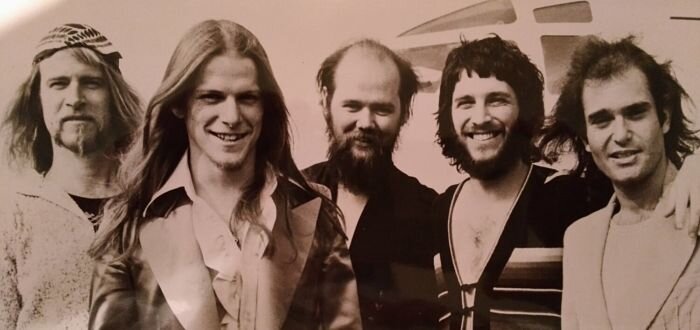
He is giant of the instrument though known mostly to musos despite the fact that his band, The Dixie Dregs, which he formed with guitarist Steve Morse in 1973 at my alma mater University of Miami, were among the most groundbreaking and “commercially accessible” fusion ensembles of their generation.
A master of fretless, extended range, trad four, plectrum, slap, and finger-style – Andy and the Dregs were truly an “American music” collective, boundlessly incorporating country, hard rock, jazz, blues, and folk in their remarkable canon of recorded and live work.
Andy’s weapons of choice included Alembic, Steinberger XL, and Geoff Gould basses. Nowadays, between Dregs reunions, Andy West enjoys an equally stellar career as a software programmer / consultant. During his time with The Dregs, and later as a sideman, collaborator, and solo recording artist – Andy expanded the language of the bass guitar as an improviser, ensemble player, and sonic visionary.
Though they flirted with mainstream acceptance towards “The Dregs” end of their initial run, they curiously never achieved the recognition bestowed the Mahavishnu Orchestra, Return to Forever, Herbie’s Headhunters, and Weather Report. Go figure!
Dig the Dregs at Montreux “The Bash” https://youtu.be/rHLkdQ-mrFw


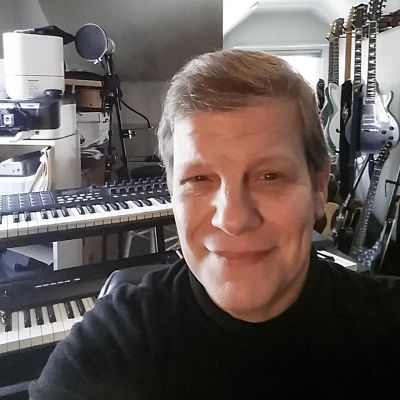
I’ve been hired to play guitar and bass on a friend’s tracks, so I’ve been pulling my bass chops back into shape. Different muscles, different head. I love to play bass. If I could sing lead while doing so I would have saved myself many a runaround and played it in my own bands over the years, as good bass players have always come dear. (I might be a bit picky in that regard, too.
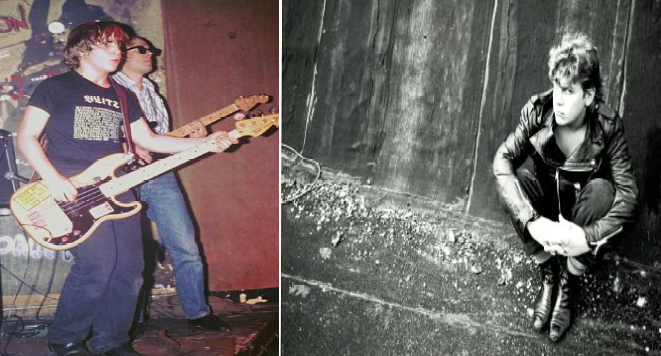
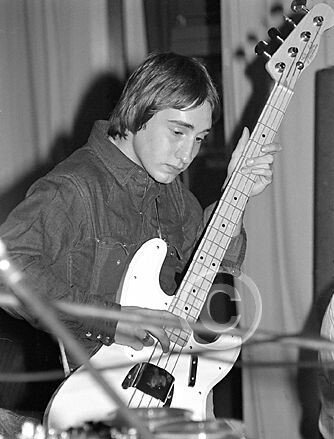
When I first joined Richard Hell & The Voidoids in early 1979 I didn’t own a bass guitar, so I used one of Richard’s during the beginning of my tenure. I had been rehearsing with them for the first two months of that year, but nobody ever bothered to tell me that I was in the band during that time – I figured they were just trying me out, maybe waiting to see if they wanted someone else instead. I was sixteen and having fun just playing with Bob Quine and Ivan Julian and didn’t want to rock the boat; but I also didn’t want to invest in a bass if I wasn’t going to get the gig.
One day in early March I finally asked if I was an official member and they all laughed, assuming that the four-day-a-week rehearsal schedule might have been a tip-off that I already had the job. Before each session, I had been meeting Richard at his apartment on 12th & A so I could carry the bass to the studio near Union Square. The day after I was anointed a Voidoid, Richard said: “OK, Mister Bass Player, it’s time you got your own.”
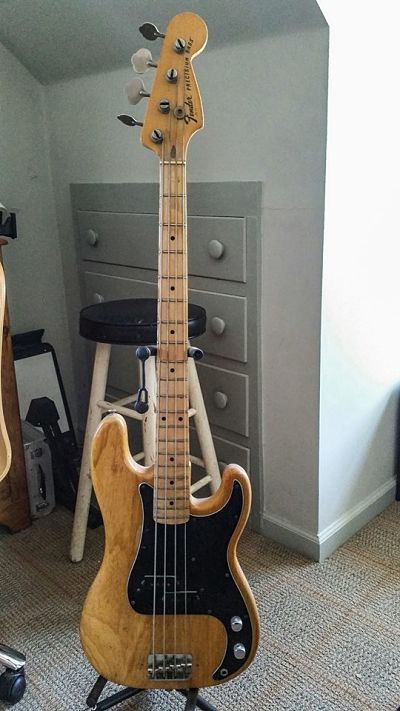
I went to We Buy Guitars on 48th Street and got this 1976 Fender Precision Bass for $325. Many years later when I was at my lowest ebb of drunkenness and depression, I would run to pay off the pawn ticket at the shop that held it, always just a day ahead of it being sold off. I’ll always remember how happy I was when I pulled my life together enough to get it out of hock. It’s a wonderful slab of wood, and every time I play it I remember how truly fortunate I have been, and how fortunate I am today.
Love to you, wherever you are. Yes, you.
Jahn Xavier 2017
Photo courtesy of Aguilar Com

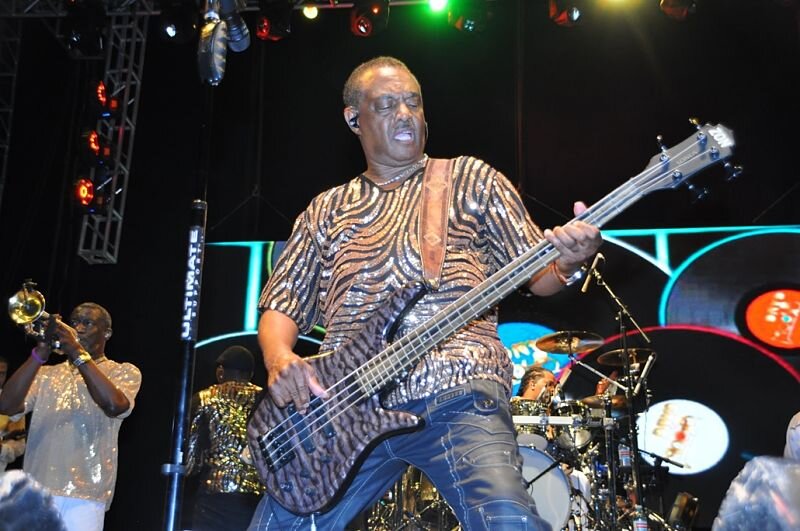
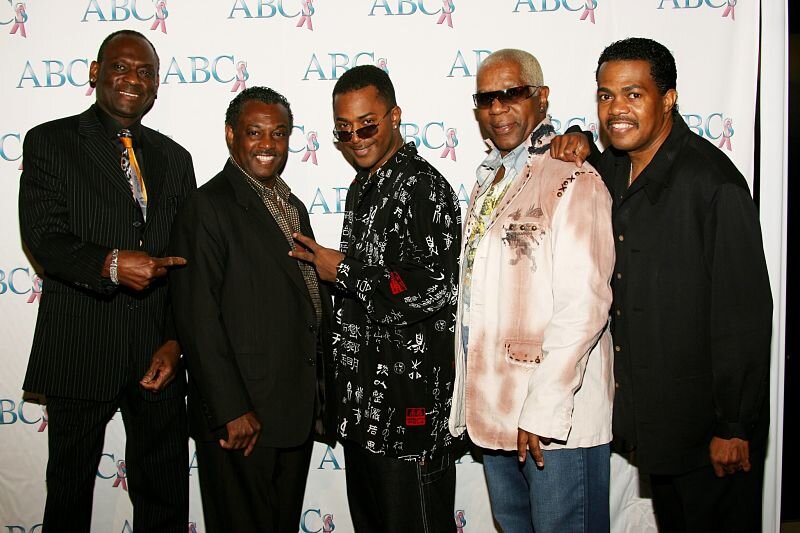
Courtesy of Kool and the Gang Com
He is the “Kool” in Kool and the Gang.
For a half-century and counting, Robert “Kool” Bell has anchored one of funk’s most commercially and artistically successful recording and performing artists. Drawing from jazz and rhythm & blues, Bell ranks among the masters of his genre – plying definitive pocket grooves which master rhythm, space and melody rather than flashy technique.
A finger and slap style player, Bell’s influence on bassists is incalculable – and he’s likely been sampled over a million times.
Kool Bell Sound & Vision…
Dig Kool on “Get Down On It” https://youtu.be/qchPLaiKocI
Tony Senatore Plays Kool Bell…
“Jungle Boogie” https://youtu.be/g7WOnb-_Cno
“Kool & The Gang” https://youtu.be/QZ9nvb8h_0I
“Hollywood Swingin’ https://youtu.be/DLTkuF4dF7w
Courtesy of M&M Entertainment
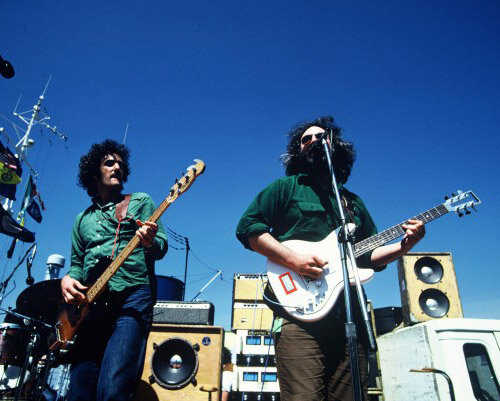
Courtesy of Grateful Dead Com


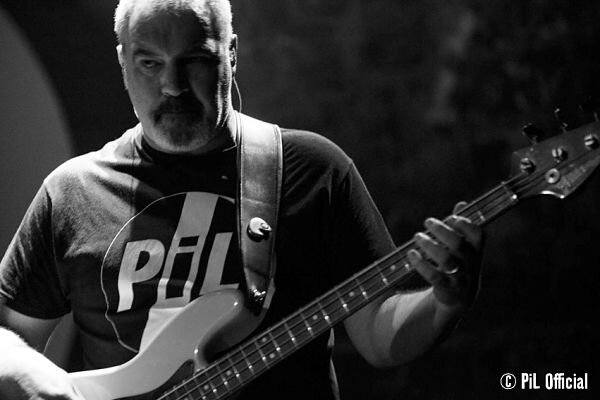
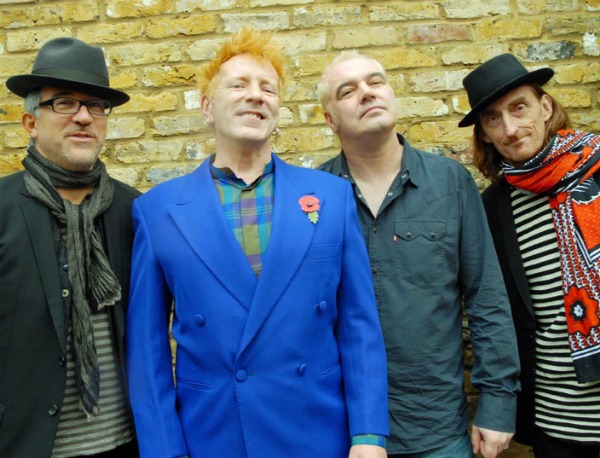
A versatile player, Scott Firth is currently the bassist in John Lydon’s latest incarnation of Public Image Limited. Firth has waxed sides and/or worked stages with Morcheeba, Melanie C, Steve Winwood, Toni Braxton, Elvis Costello, Julia Fordham, Spice Girls, and Ruby, among others.
A producer, composer, and bandleader (U-sonic), Firth is a master of the PiL pocket with a deep dub resonance that growls beneath Rotten’s wary warbles.
Scott Firth Sound & Vision…
“People Carrier” with Morcheeba https://youtu.be/wbAn6ONKrH8
“One Drop” with PiL http://bit.ly/2E85K4d

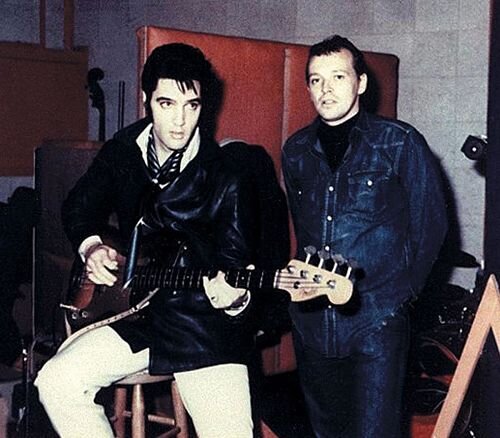
Courtesy of Elvis The Music Com – Elvis with Tommy Cogbill and Tommy’s Fender bass
A master counter-melodic / pocket player and certifiable giant of the instrument – and unquestionably deserving of Rock and Roll Hall of Fame recognition – the late Thomas Clark Cogbill was among the go-to Nashville / “Memphis Boys” session cats who established the electric bass in country music, rock, soul, pop, rhythm and blues, and permutations thereof.
A former guitarist, Tommy’s weapon of choice was a Fender Precision and flats, tweaking the treble tone just enough to rise through the mix. Where to begin with Cogbill’s canon?
Dusty Springfield (“Son of a Preacher Man”), Aretha Franklin, Wilson Pickett (“Funky Broadway”), Elvis, Neil Diamond (“Sweet Caroline”), King Curtis (“Memphis Soul Stew”), Dolly Parton, Herbie Mann, Dobie Gray, and Kris Kristofferson, to cite a select few…
Tommy Cogbill Sound & Vision…
Tommy with Elvis on Take 9 of “Kentucky Rain” https://youtu.be/ElumTJWwXWA
Dusty Springfield “Son of a Preacher Man” https://youtu.be/oAZLgsDRUv4
Wilson Pickett “Funky Broadway” https://youtu.be/QICXaxkBJMk
King Curtis “Memphis Soul Stew” https://youtu.be/U5swo4ibjYk

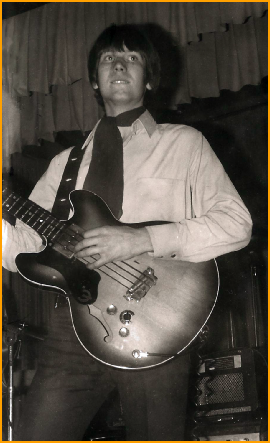
Dig those disco octaves! Born in Sheffield, England, Gary Unwin got his start playing in local beat groups The Hi-Fi’s and The Packabeats in the early 1960s.
Following tours aplenty with notable bands including The Hollies, Gary migrated to Germany wherein he commenced a successful career as a studio cat.
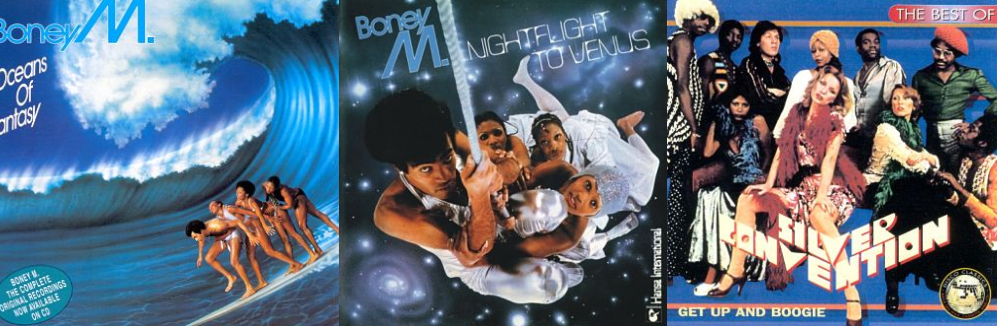
A composer, producer, and eventual studio owner, Gary anchored several singles and slabs waxed in Munich by Donna Summer, Amanda Lear, Boney M., Silver Convention, Giorgio Moroder, and D. D. Jackson, among others. Unwin split the music biz to work in the boating industry as computers replaced session players!
Gary Unwin Sound & Vision…
Boney M:
“Daddy Cool” https://youtu.be/otna9Pe3jWg


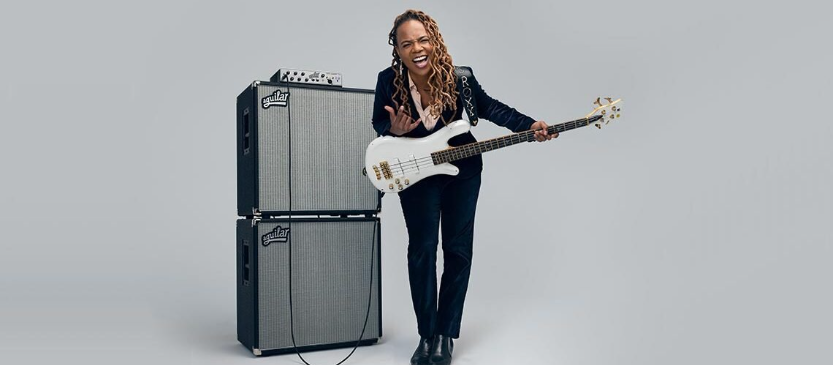
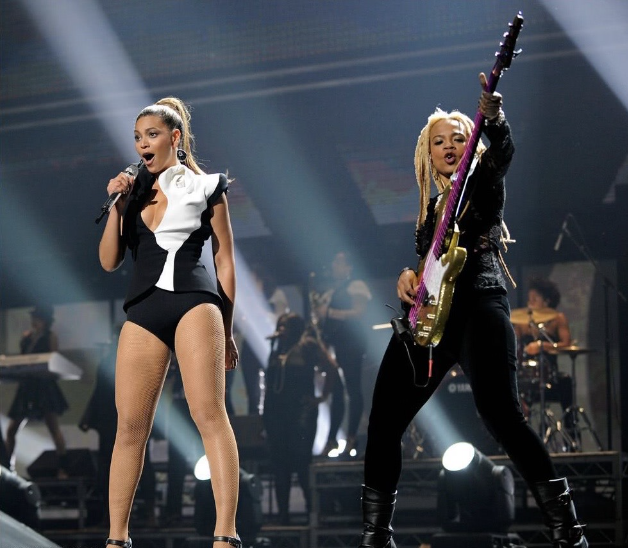
A bassist, composer, recording artist, vocalist, rap artist, musical director (Beyonce), side-woman, collaborator, educator, producer, clinician, bandleader, and performer extraordinaire – Divinity Roxx is a bass virtuoso whose libretto traverses social issues to the most fragile of the human condition.
Her resume rocks too, collaborating with such notables as Jay Z, Nona Hendryx, WILL I Am, Erykah Badu, Patti Labelle, Ledisi, Victor Wooten, and Gladys Knight to cite a select few…
Divinity Roxx Sound & Vision…
“Teen Town” and “Rapper’s Delight” https://youtu.be/0lJO2gV0PAs
Sweetwater Full Session: https://youtu.be/vmZKF2OAH-c?si=vpYt0oeRvOVTdeAm
Divinity Displays her Wake N Bass Stratagem: https://youtu.be/aOPEH6gZJZY?si=nZtxAEM4i36vIXym