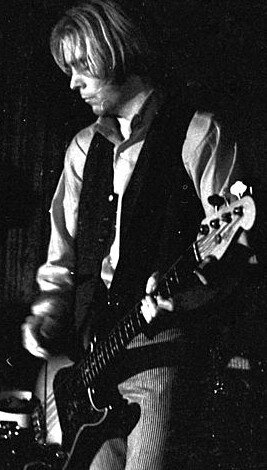
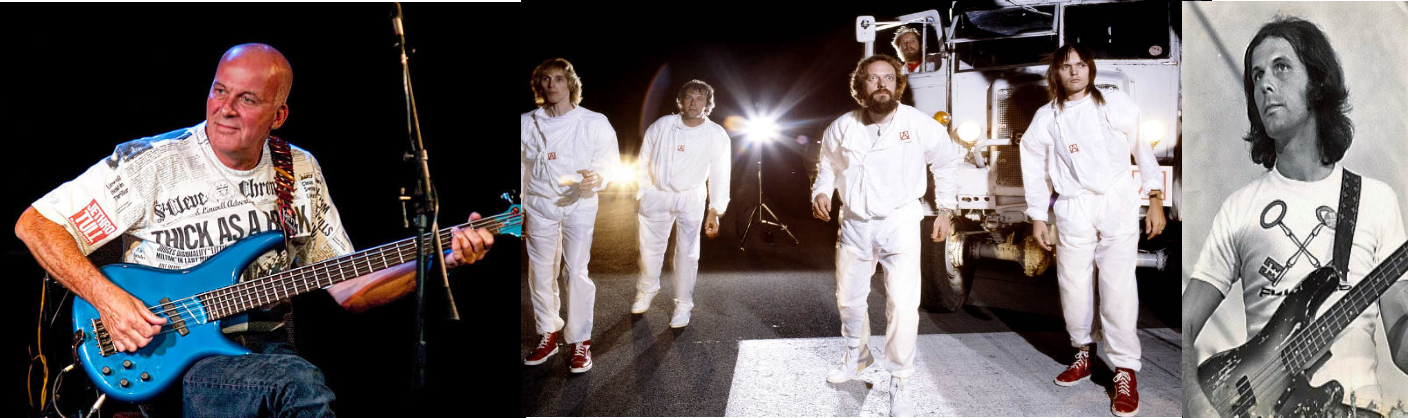
We define “Americana” as a contemporary mélange of country, roots, folk, bluegrass, rhythm and blues –hence we acknowledge the cat with bass in hand who was there at the beginning: Chris Ethridge!
A songwriter, singer, band-member, collaborator – Ethridge was among the go-to session players of the fertile Laurel Canyon scene of the late 60’s and 1970s. His membership in the International Submarine Band and Flying Burrito Brothers helped to erase the cultural and musical divide between country and rock.
Chris honed his craft whilst toiling in the rhythm and blues clubs of his native Meridian, Mississippi. His style is that of the “song player” – wherein every passage serves the composition. Among the many, many, many gems in Chris’ canon include: Flying Burrito Brothers – The Gilded Palace of Sin (1969), Dave Mason – Alone Together (1970); Rita Coolidge (1971); Graham Nash – Songs for Beginners (1971); Bill Withers – Just As I Am (1971); Gene Clark – White Light (1971); Randy Newman – Sail Away (1972); Graham Nash & David Crosby (1972); Mike Bloomfield, Dr. John, John Hammond – Triumvirate (1973); Gram Parsons – GP (1973); Roger McGuinn (1973); Linda Ronstadt – Heart Like a Wheel (1974); Maria Muldaur (1974); Ry Cooder – Chicken Skin Music (1976); among scores of others including Jackson Browne, Willie Nelson, Grace Slick & Paul Kantner, Nancy Sinatra, Leon Russell, and a little-known all-star collective known as L.A. Getaway featuring guitarist Joel Scott Hill and drummer John Barbata which waxed one hot burrito of a self-titled platter in 1971 that, unfortunately, sank into obscurity.
Chris Ethridge Sound and Vision…
Flying Burrito Brothers https://youtu.be/BITiY8M_oDo
ISB “I Still Miss Someone” https://youtu.be/Rf38finhzPk
Linda Ronstadt “Faithless Love” https://youtu.be/NGmUYlsXTD4
Gene Clark “White Light” https://youtu.be/Ezl-hbIRCvM
Notes rock journalist James Spina: Imagine teaming up with Gram for about an hour and crafting two songs with little thought to any titles. “Hot Burrito #1,” “Hot Burrito #2.” Good ones Chris. And let’s redefine the relationship of a bass and a guitar breaking the mold on what folks think of as country music. This is akin to that magic meld on par with Hendrix telling Redding to put down his guitar and give the same thought to a bass. Jesus Christ! This is magnificent!
Flying Burrito Brothers “Hot Burrito # 1” https://youtu.be/SwsFmv9q4jM
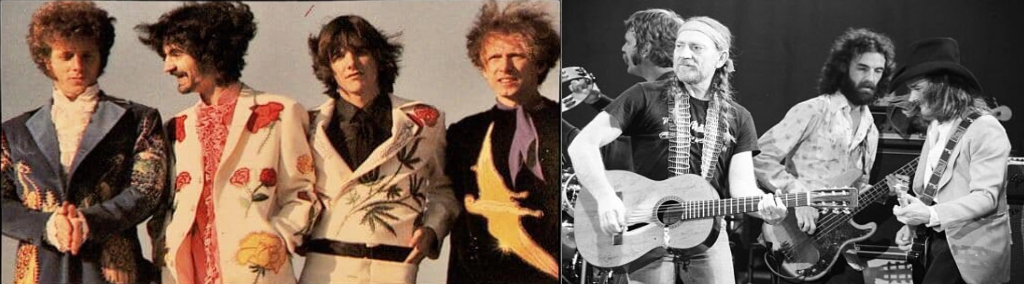

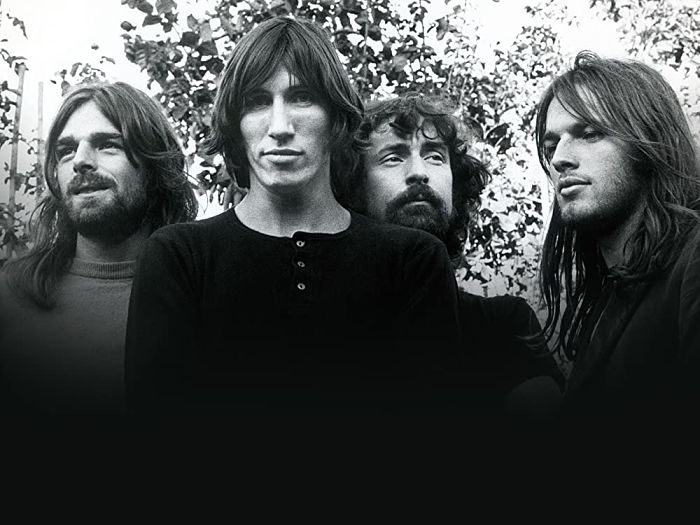
By the way, which one’s Pink?
A singer, songwriter, composer, video artist, multi-instrumentalist, bassist, conceptualist, solo recording artist, activist…George Roger Waters is a genre unto himself.
Mostly responsible for Pink Floyd’s remarkable canon following the departure of their incomparable visionary founder Syd Barrett, Waters steered his brilliant collaborators; guitarist David Gilmour, keyboardist Richard Wright, and drummer Nick Mason through what can rightly be considered among the greatest recorded works and concert performances in pop music history. Much of Rogers’ inspiration as a composer is drawn from his WWII childhood and astute observations of the human social and political condition. His life story has been documented in Roger’s own words– and worth seeking out if you wish to know more about the man behind the music.
Recognized by Fender with a signature model, Waters commandeers his Precision with a joyfully experimental bent – plying melodies, grooves, counterpoint, and sound collages and countless combinations thereof. Note that many Floyd bass tracks were cut by David Gilmour – who was a more dexterous player. However, Waters’ imprint is indelible – they were a great combination of “bass players.”
A vocal proponent for peace in the Middle East, among Roger’s activist activities is his work with Stand Up for Heroes which brings wounded veterans together to perform music.
Roger Waters Sound & Vision…
“Interstellar Overdrive” Live https://youtu.be/8DylQaiFL30
“See Emily Play” https://youtu.be/7c0EDM-Yu9o
“One of These Days” https://youtu.be/48PJGVf4xqk
“Careful with that Axe Eugene” Live at Pompeii https://youtu.be/YtZqNAI4pBk
“Us and Them” Live https://youtu.be/O7w765-TbjY
“What God Wants” with Jeff Beck https://youtu.be/YRWRRBX3TB0


With Kevin McCormick helming the bass chair, as well as serving as co-producer and co-composer; Melissa Etheridge emerged as a world class artist by way of her stunning self-titled 1988 debut, and such acclaimed slabs including Brave and Crazy (1989), Never Enough (1992) and her massively successful Yes I Am (1993).
McCormick is a groove master on the 4 and 5 string and plies harmonic extensions which fortify the soloists, singers, and their songs. Among Kevin’s weapons of choice include Guild and Fender Precision basses.
McCormick’s resume is impressive and expansive, collaborating with artists including Nils Lofgren, Jackson Browne, Robben Ford, John Mayall, Keb’ Mo, Crosby, Stills & Nash, Experience Hendrix, The Rides with Stephen Stills, Kenny Wayne Shepard, and Barry Goldberg – to cite a very select few.
Kevin McCormick Sound & Vision…
Nils Lofgren “Attitude City” https://youtu.be/pc2nROPVUvQ
Jackson Browne “Naked Ride Home” https://youtu.be/4my0i08lCNg
Kevin slappin’ and poppin’ with Melissa: “Brave and Crazy” https://youtu.be/N4K_Z3AR69o

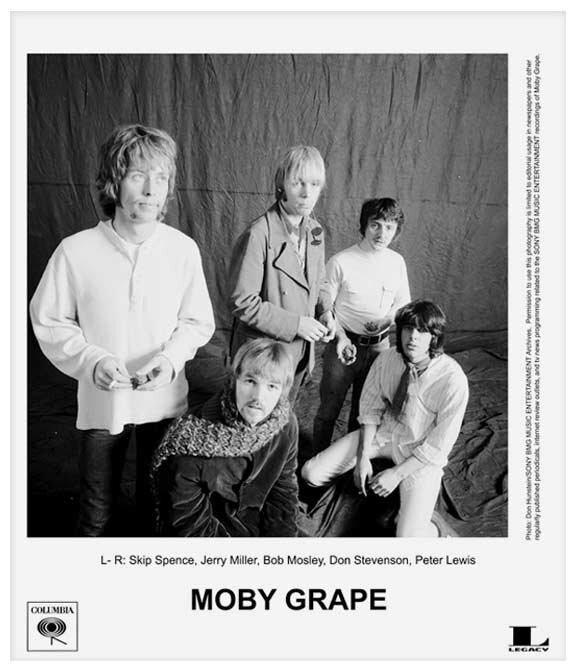
One of rock’s greatest chroniclers, author Jeff Tamarkin, duly noted that “the Grape’s saga is one of squandered potential, absurdly misguided decisions, bad luck, blunders and excruciating heartbreak, all set to the tune of some of the greatest rock and roll ever to emerge from San Francisco.
Moby Grape could have had it all, but they ended up with nothing, and less.” Amen Jeff. Despite being overshadowed by the Grateful Dead, Janis & Big Brother, and Jefferson Airplane, the original Moby Grape were, to my ears, among the finest ensembles to emerge from the Bay Area psychedelic scene – especially with regard to musicianship and songwriting.
In addition to his formidable skills as a vocalist and composer, Bob Mosley was an exemplary bassist with a strong command of rhythm & blues and jazz. Musicologists continue to debate Jimmy Page and Robert Plant’s pillage of Mosley’s “Never” (Wow/Grape Jam, 1968) for “Since I’ve Been Loving You” (Led Zeppelin III, 1970) – you be the judge. Unfortunately, the Grape’s recorded canon has gone in and out of print – however their brilliant self-titled debut (1967), the aforementioned Wow/Grape Jam (with Al Kooper and Mike Bloomfield), and their countrified Moby Grape ’69 – all with Mosley, are worth scouring though the bins at yard sales, antique shops, and flea markets. Bob has also waxed several solo sides and continues to anchor a revamped Grape revue.
Courtesy Columbia Legacy
Bob Mosley Sound & Vision with Moby Grape…
On Steve Paul Scene https://youtu.be/x29ggn68PqE
Bob crooning “It’s A Beautiful Day” from Moby Grape ‘69 https://youtu.be/vviAimAmY38
“Murder In My Heart for the Judge” https://youtu.be/2xEbbyKJ0mk

Courtesy of Randy Meisner Com
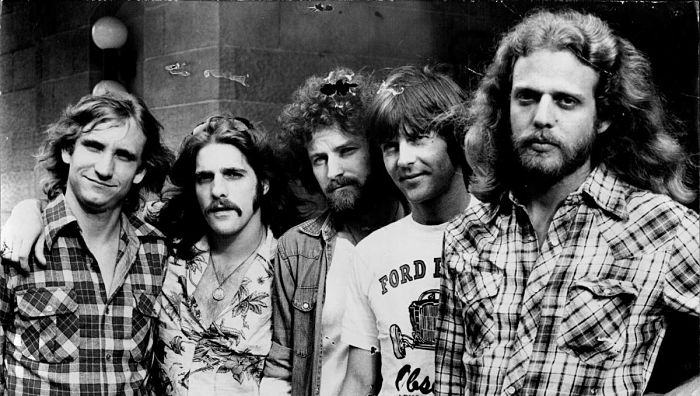
His deceptively unadorned root-fifth-octave bass motif which defines his band’s signature “Hotel California” composition is among the most identifiable in the history of rock ‘n’ roll.
Following stints with Poco, Ricky Nelson’s Stone Canyon Band, and most notably Linda Ronstadt, bassist Randy Herman Meisner became a founding member of The Eagles along with Don Henley, Glen Frey, and Bernie Leadon.
Though classic rock audiences nowadays are more familiar with the fiery, latter day Joe Walsh version of the band – the original quartet, with their addition of guitarist Don Felder in 1974, was a potent, groundbreaking collective.
Meisner, an accomplished singer and writer (“Take It to the Limit,” “Is It True?” “Too Many Hands,” “Try and Love Again” among others) and his fellow Eagles were a major catalyst in bringing country-rock to the pop charts in what is now commonly referred to as Americana.
As a bassist who rendered brilliant harmony vocals, Meisner primarily worked the pocket to fortify the singers and their chart-topping songs. Among Randy’s weapons of choice were Fender Precision, and the Rickenbacker 4001.
After splitting from The Eagles (coincidentally, his replacement Timothy B. Schmit also followed Randy in Poco), Meisner waxed a few under-appreciated solo albums, worked as a session player along with many of his famous friends, and played in various projects including the World Class Rockers with former members of Toto, the Moody Blues, Spencer Davis, Steppenwolf, and Santana.
Randy Meisner Sound & Vision…
The Eagles
“Hotel California” https://youtu.be/gj69BuobTzM
“Take It to the Limit” https://youtu.be/bhowXKEjjZ8
Poco
“What A Day” https://youtu.be/Q5ex4HkR24w
Solo
“Hearts on Fire” https://youtu.be/k3jFaDmC1t0

Courtesy of The Eagles Com

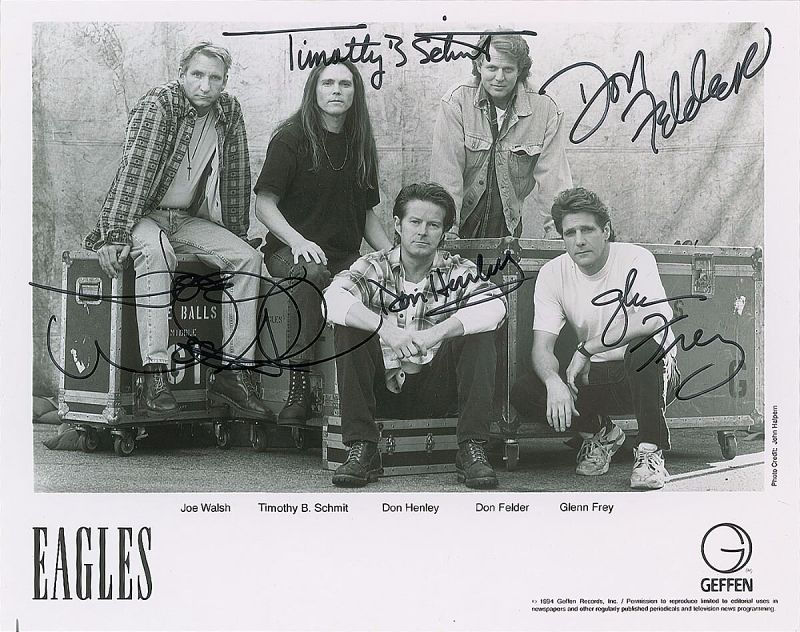
Among the seminal ensembles which crafted Americana is the oft neglected Poco, initially formed from the ashes of the mighty Buffalo Springfield by Jim Messina, Richie Fury, and Rusty Young. With bassist, singer-songwriter, producer Timothy Bruce Schmit, who succeeded founding bassist Randy Meisner in this band and later, The Eagles – early Poco rocked rather adventurously as evidenced by the fusion-like extended instrumental “Nobody’s Fool/El Tonto de Nadie, Regresa” from their 1969 self-titled platter and the incendiary live collection Deliverin’ (1971).
Schmit, mostly known for his stellar harmony and lead vocals (“Keep On Trying,” “I Can’t Tell You Why” among many others), is an exemplary in-the-pocket, fretted, and fretless player who vacillates from rendering supportive passages to inventive harmonic extensions as the situation warrants.
Aside from his Rock ‘n’ Roll Hall of Fame career with The Eagles, Timothy has waxed five commendable solo albums, and has collaborated extensively as a hit-making session – touring bassist/ vocalist with artists including Bob Seger, Boz Scaggs, Steely Dan, Jimmy Buffett, Ringo’s All Star Band, Firefall, and CSN, to cite a select few.

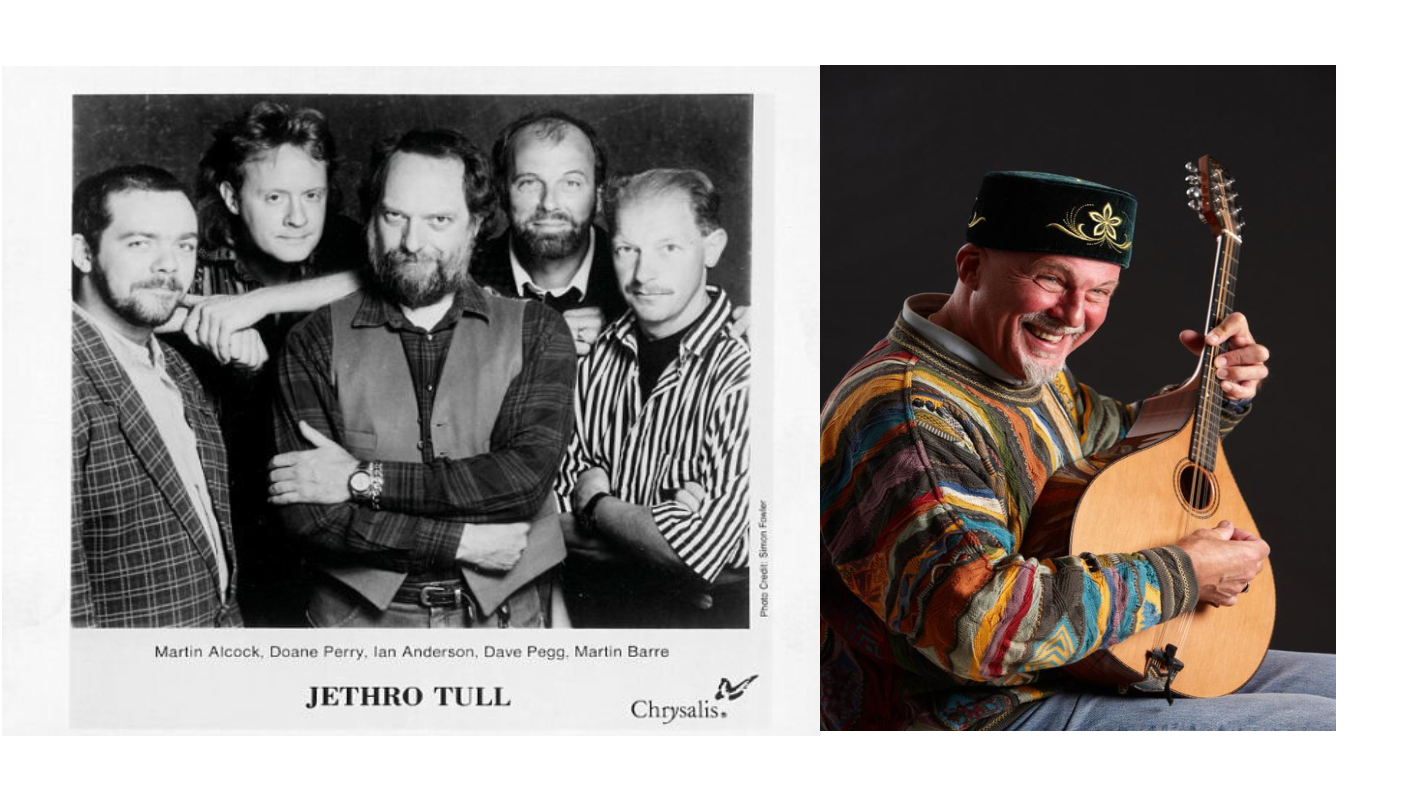
Akin to many of his generation, it all started for this Birmingham, England bred bassist with Bert Weedon’s Play In A Day – the “simple” instruction manual which “launched” a thousand or so careers….
Affectionately known as “Peggy” amongst his peers, he is a player who exemplifies virtuosity in the genre loosely dubbed “electric folk.”
Not to be confused with American folk-rock; Pegg and his peers derived their strongest influences from the Celtic cultures – though their yen for Yanks Bob Dylan and The Byrds is most obvious. Peggy plies his craft on trad four and extended range with the utmost dexterity – rendering melodic counterpoint, improv, inventive solos, and supportive in-the-pocket playing as the situation warrants.
In addition to his tenure as the longest serving member of Fairport Convention, Peggy, who also plays mandolin and croons, has anchored seminal recordings by several artists of note, namely: Nick Drake (Bryter Layter, 1970), Sandy Denny (Like An Old Fashioned Waltz, 1974), Richard & Linda Thompson (Pour Down Like Silver, 1975; Shoot Out The Lights, 1982), Richard Thompson (Hand of Kindness, 1983), Linda Thompson (Fashionably Late, 2002), John Martyn (Solid Air, 1973; One World, 1977), and Steve Ashley among many, many others.
During his fifteen-year stint in Jethro Tull, Peggy and drummer Doane Perry enabled Ian Anderson and Martin Barre to rekindle some of the old magic from their early years on stage and on such fine releases including Crest of a Knave (1987), Rock Island (1989), and Catfish Rising (1991).
An engaging, often outrageous performer, I witnessed Fairport Convention at the Bottom Line in New York City sometime in the 1980s wherein an enraged Dave Pegg, outfitted in extremely snug white shorts, nearly swallowed his microphone in the midst of a vitriolic rant directed at club owner Allan Pepper. For some reason FC never returned to the hallowed venue…
David Pegg Sound & Vision…
Nick Drake: “Bryter Layter” https://youtu.be/9DjWvjeZ6ww
Richard and Linda Thompson “Shoot Out the Lights” https://youtu.be/2ljITeqfSQw
Fairport Convention “Dirty Linen” https://youtu.be/MTWrtWl0zwQ
Sandy Denny “Solo” https://youtu.be/AVWCvBUFsso
Peggy working a Steinberger XL bass with Jethro Tull “Steel Monkey” https://youtu.be/G6-Jy133XLI
Jethro Tull “Hunting Girl” https://youtu.be/2Mti0IUAocY
Peggy with a vintage Fender Jazz with Jethro Tull “Broadsword” https://youtu.be/2TMnSBQxeAw

To my ears, the most enduring and influential artists who emerged from the 1970s “punk” era – which was noted for its fashionable scorn of pedigree and history – were actually skilled musicians with a reverence for a myriad of musical styles.
Witness the amazing collective Mink DeVille, led by the former William Borsay, who were a staple on the New York City scene with a canon that merged a new wave stance with a profound knowledge of rhythm & blues, Brill Building pop, Cajun, and soul. Following personnel changes in the DeVille camp, bassist Joe Vasta came on board for what I consider to be Willie DeVille’s two finest releases: Coupe De Grace (1981) and Where Angels Fear to Tread (1983).
With drummer Thommy Price (Joan Jett & The Blackhearts) and Vasta in-the-pocket, along with keyboardist Kenny Margolis, sax man Louis Cortelezzi, and guitarist Rick Borgia – Willie rocked with the depth of his contemporaries Bruce Springsteen, Garland Jeffreys, Patti Smith and Billy Joel to cite a few.
Unfortunately Mink never achieved commercial success, and the late Mr. DeVille embarked on a solo career which once again achieved exemplary artistic triumphs yet failed reached the wide audience he and his various ensembles so richly deserved.
Mr. Vasta, who was borne of a music family – his dad helmed a big band and played with Dizzy Gillespie – also worked with Billy Idol, John Waite, and Joan Jett, among many others, and is currently anchoring the Val Kinzler Band, and doing session work.
Dig Joe Vasta on Know Your Bass Player on Film Season One 2016 – New York City, Euphoria Studios https://bit.ly/3gzZHY3


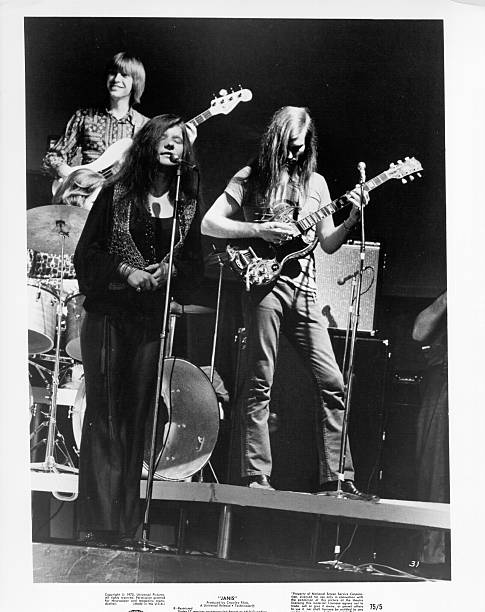
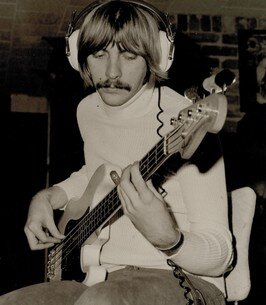
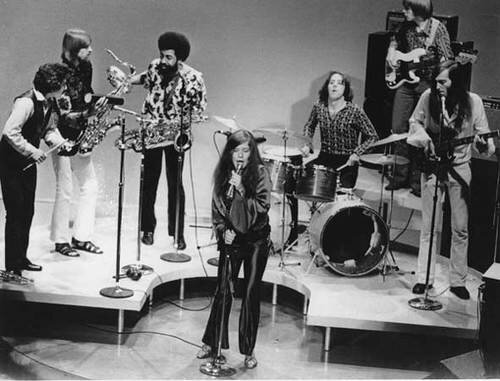
Aside from the emotional stress that surrounded Janis’ departure from Big Brother & The Holding Company, The Kozmic Blues Band and Full Tilt Boogie Band, both with bassist Brad Campbell, were primed to advance Ms. Joplin’s groundbreaking artistry. Whether they succeeded or not is a matter of personal taste, however Janis’ final two records with them are bona fide classics.
Courtesy of Janis Joplin Com
Throughout I Got Dem Ol’ Kozmic Blues Again Mama (1969), Pearl (1971), and tracks on the archival In Concert (1972) the Canadian born bassist fortified Ms. Joplin’s forays into soul and rhythm and blues on such classic tracks as “Try,” “Move Over,” “Half Moon,” and “Me and Bobbie McGee” with harmonic and rhythmic passages evocative of the Motown, Stax, and Atlantic Records session masters – who, at the time, were his peers.
Courtesy of Janis Joplin Com
Brad’s primary weapon of choice was the Fender Precision.
Dig Brad on “Move Over” https://youtu.be/otJhUqInF2g
Dig Brad on “Me and Bobbie McGee” https://youtu.be/sfjon-ZTqzU
Dig Brad and Full Tilt Boogie live on “Try” https://youtu.be/7gsqBEPSrd0
Dig Brad and Full Tilt Boogie live on “Half Moon” https://youtu.be/dFCpaDEM3Mc