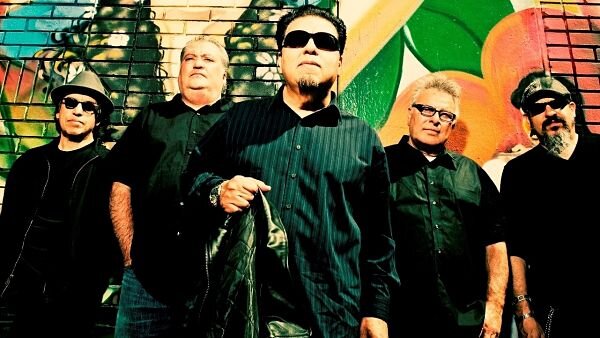
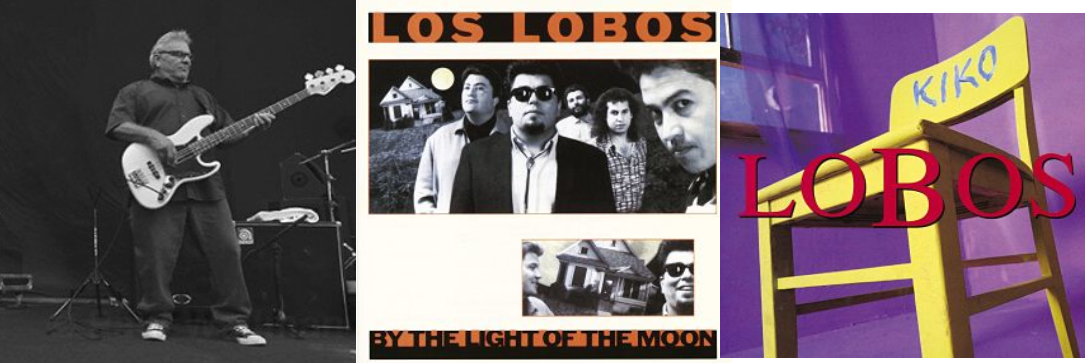
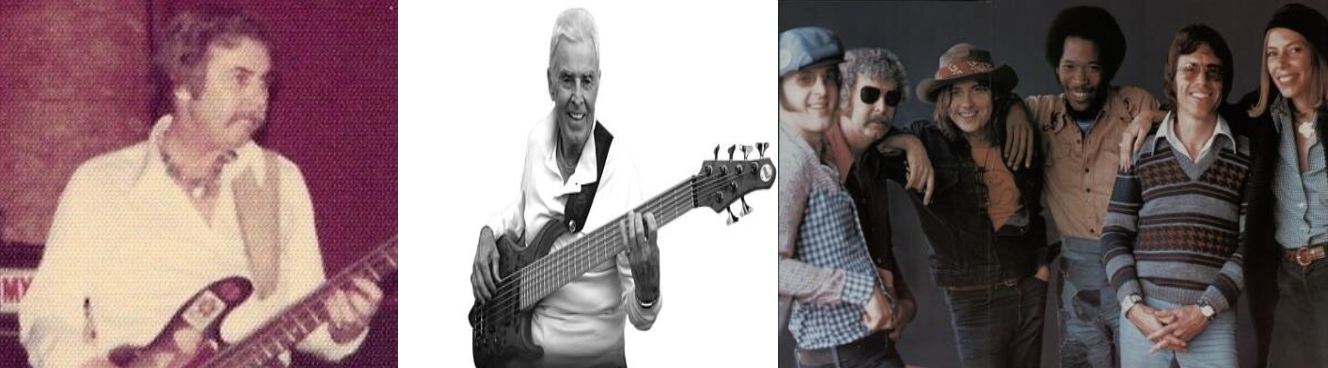
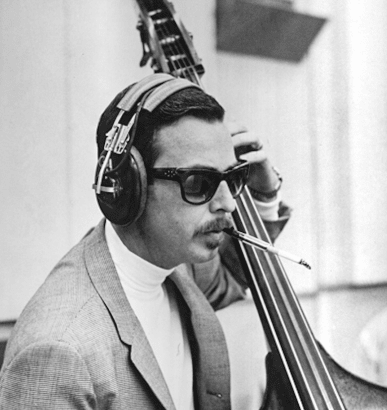
John Dalton (The Kinks, Creation)

Behold the missing Kink!


Of the three official bassists who served Muswell Hill’s favorite musical sons, John Dalton is likely the one player whom American rock fans heard the most on FM radio by way of his commendable work on such hits and album tracks including “Lola,” “Victoria,” “20th Century Man,” and “Celluloid Heroes,” among many others from 1969 to 1976.


Prior to his tenure in The Kinks, John anchored The Mark Four, and The Creation.


John, who substituted for founding bassist Peter Quaife as early as 1966, was given to more harmonic extensions and upper register passages than his predecessor.


This was likely since the Davies brothers augmented their collective with keyboard player John Goslin around the time Dalton became a permanent member, thereby affording the bassist more freedom to explore his instrument. Years after Dalton resigned, he assembled The Kast Off Kinks – a fine pub rock ensemble comprised of ex-band members including founding drummer Mick Avory.


John’s weapon of choice with The Kinks was Fender Precision.


Ironically, when Dalton retired from the K.O.K. – he was replaced by bassist Jim Rodford, who took over for John after he departed the Kinks in the 1970s. As with Jim Rodford, who anchored the group for 18 years, John Dalton deserved to be enshrined in the Rock ‘n’ Roll Hall of Fame the founding members. Ditto Kinks’ plinkers Goslin and Ian Gibbons, who coincidentally replaced each other in the identical chronological order as Rodford and Dalton in both the Kinks and The Kast Off Kinks.


John Dalton Sound & Vision..


The Mark Four “I’m Leaving” https://youtu.be/YqualVmYG4g


The Kinks:


“Everybody’s A Star (Starmaker)” https://youtu.be/DsgICCvHBpM


 “Lola” https://youtu.be/NFwP2huyNzg


“Victoria” https://youtu.be/4o9vvXjhuaY

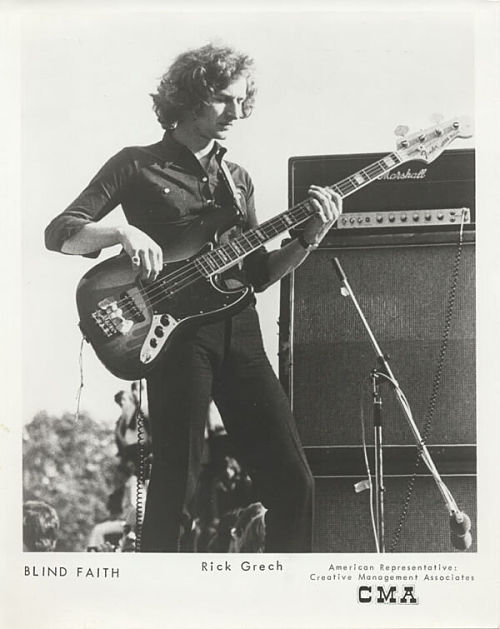
Ric Grech (Traffic, Blind Faith, Family, Gram Parsons)

He embodied the spirit of “Rock ‘n’ Roll Stew” a seminal track he composed with drummer Jim Gordon.


The late Richard Roman Grech was a major presence on the British music scene of the late 1960s – 70s, plying his craft with a Fender Jazz bass -and a wad of foam (“waddafoam”) strategically placed in proximity to the bridge to render a partially muted resonance akin to an upright.


Ric, who also doubled on violin and cello, anchored a who’s who of Brit rock royalty: Family, Blind Faith, Eric Clapton, Rod Stewart, Ronnie Lane, Eddie Harris, Jim Capaldi, Gram Parsons, the Bee Gees, and the KGB band with Mike Bloomfield and Carmine Appice – to cite a very select few.


Widely respected by his peers and the among the most in-demand session players of his era, Grech was an exceptionally skilled pocket and melodic player who incorporated jazz, rhythm & blues, and classical influences into his expansive body of work.


After the commercial failure of KGB, Ric retired from the music business in 1977, and sadly passed at the age of 43.  


The Rick Grech story would not be complete sans the mention of his relationship with Gram Parsons.


Reflects James Spina of Creem Magazine / Hit Parader: Grech produced Gram’s first solo LP called GP. He built quite a friendship with Rick previous to that and in fact lived with Rick and his family when in England and when not hanging with Keith during the Exiles daze. Daze might be a key word for all of this since some much of it happened under a haze of drugs. Both Gram and Rick had substance abuse issues but even in light of that the actual production and even the song writing process for GP is clean and classic.
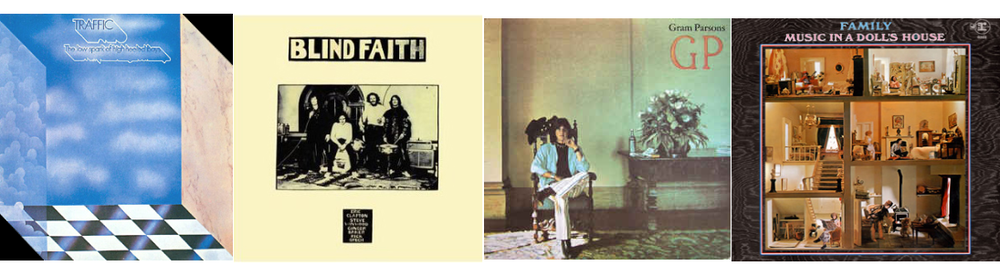


Musician Kenny Wilson recalls his close relationship with Ric Grech. Courtesy of www.KennyWilson.Org


However, personally untouched by the economic downturn (living “on the dole” was alright as long as you didn’t have expensive habits), I continued to pursue and develop my career as a singer/songwriter. There weren’t many gigs in the centre of Leicester at that time so I and some of my musical friends started a club in the top room of a pub called the Town Arms on Pocklington’s Walk. We met every week and played songs and generally had a good time. Everyone at that time was making a big effort and many of the songs were excellent. Regulars at the time included Geoff Overon, Mick Pini, Dave Plimmer, Gwyn Jones, Annie Williamson and many others, some of whom I’ve forgotten the names of. None of us were making much money at the time but that didn’t really matter. We were more interested in writing and performing good songs.


In 1975 I was living on the St. Matthews Estate which was an area of social housing near the centre of Leicester. It was a time of economic upheaval with hyper-inflation and widespread industrial unrest. The then prime minister, Ted Heath,  announced a three day week at the height of a miner’s strike that eventually brought down the government and returned Harold Wilson and a Labour government to power. On top of that there were many terrorist acts being committed by the IRA and other extremist groups with particularly horrendous bombings in Birmingham and Guildford. It was a time of great unrest and social change. The hope of the 60s had dissolved into the pessimism and paranoia of the 70s.


What I do know is that I met him late 1975 and subsequently did gigs, wrote songs and recorded demos with him until the early eighties when we went our separate ways. When you look at biographies of Rick they all tend to agree that his career ended in 1977. Bizarrely, many say he became a carpet salesman. I don’t know where that came from but it was the sort of thing he would say as a joke. He had a cynical and sometimes surreal sense of humour. He actually saw himself as a musician and played in various combinations until his untimely death in 1990. The period I knew and worked with him was between 1975 and 1982 and we did many gigs together mainly around the Midlands area in the U.K.


I realized as I started this memoir that I don’t really know how to either spell or pronounce Rick’s name. Until recently I thought it was Ric and that Grech was pronounced with a hard “K” sound. I’m not sure now. On most of his recordings, and his own signature on a photograph I have, it is spelled Rick and many people I have spoken to who knew him assure me that Grech should be pronounced with a “CH” sound. I also thought he was of Polish origin but many biographies online say he was Ukrainian. Not a great start really as I am now totally confused and can hardly put myself forward as an expert! Mind you, it fits the person I knew for many years who was both interesting and sociable but was also a bit of an enigma who rarely gave a straight answer to  any personal question.


One night, out of the blue, Rick Grech turned up with his violin. He commenced to play along with people and then borrowed a guitar and sang some of his own songs. He obviously enjoyed himself and started to come every week. At the time he had just finished working with Gram Parsons and had even made two records with the original Crickets! One week he brought a cardboard box full of records to the club. It was by a “super-group” called KGB featuring Rick on bass. He proceeded to give everyone a free copy of this! This is when I first encountered Rick’s evasiveness. I said shouldn’t he be in America promoting this record but he told me nothing and didn’t want to discuss it! It was at this time that rumours started circulating that he had been expelled from America and could not return. I don’t know any facts about this but I know he never returned when I knew him in the 70s.


At the beginning Rick was a bit of an anachronism with his Rock Star status and red Ferrari which he crashed and abandoned shortly after I met him. But he was a nice guy who was soon part of the scene and we started working with him in various ways. At the time my maisonette (like a third story house on top of another house!) was a centre for continual jam sessions. I had a reel to reel tape recorder set up (a bit like the Basement Tapes) and recorded many sessions that involved Rick and lots of others. Unfortunately, the tapes I used were the cheapest available and oxidized over time and are virtually unplayable now. Rick was buzzing with ideas and writing some great songs and playing some fine fiddle. He was still involved in recording as a session musician with people like Rod Stewart and was still managed by impresario Robert Stigwood who released a compilation album of him in 1973. He had also promoted the talents of guitarist Albert Lee and had involved him in records with the Crickets and “Doctor to the Stars” turned country singer, Hank Wangford. It seems like Rick was everywhere, doing everything, he couldn’t fail, but cracks were beginning to show. Hank Wangford says this of his time with Gram Parsons and Rick:


“I spent four months in Canada, and came back and resolved to make a country album with Rick Grech for Robert Stigwood, I called Rick up one day and said, ‘You know who should co-produce this? Gram Parsons.’ He said, ‘I know Gram well’, and called him up. And Gram came over. “This was 1972. I did a demo with Rick on bass, Mike Kellie from Spooky Tooth on drums, Mike Storey on piano, and Pete Townshend on lead guitar. Glyn Johns was the engineer. I could have been forgiven for thinking I’d made it. But the whole thing fell apart. Gram came over, we spent a couple of days at Rick’s house going over the songs, but it fell apart because of heroin. Rick and Gram just got really stoned, and I didn’t take heroin. I hated it. Rick was so wrecked, he couldn’t get his recording machine to work. For hours and hours, he and Gram would get higher and higher, and nothing happened. Nothing was put on tape. Actually, that time, he brought with him George and Tammy’s new duets album We Go Together. And that was Gram’s role model for him and Emmylou.”


There’s a horrible prescience to this because years later I was with Rick when he was incapable of working his tape machine because he was so wasted! He became a victim of serious drug and alcohol abuse that eventually sent him to an early grave!


In 1976 Rick decided to form a band to showcase his songs. It was based on the kind of music Gram Parsons had been producing on his two solo albums “GP” and “Grievous Angel” both of which contained songs written by Rick although he didn’t play on them. He did have a producer credit on “GP” though. He teamed up with a local Irish/Country band called the Lentones at the time but who changed their name to Rhinestone in 1976.


They did gigs at Irish clubs and were breaking into the Country & Western club scene that was becoming very popular at the time. They were a very good band who won a national Country Music competition and played at the Wembley Stadium at a big festival with Rick on fiddle. To get the “Gram” sound he invited singer Claire Hamill to join him. She was a fairly well-known singer/songwriter at the time from the North East (I’d seen her play when I was a student in Darlington) and had recorded four solo albums at that time. She was favourably compared to Joni Mitchell. Praise indeed!!


In 1976 we had moved operations from The Town Arms to a place called Watson’s Restaurant on Belvoir Street, Leicester. This was originally intended as a kind of club for well-to-do business types but it was short on customers. We turned it into a live music venue and it did very well for over a year until the owners went bankrupt. It was here that Rick and Claire refined their songs and harmonies and they sounded very good. It was time to go on the road. A band was formed and a tour was set up. Robert Stigwood was still the manager and was setting up recording etc.


What happened then can only be called a disaster. I went to one of the gigs at the Nottingham Boat House (a well known venue at the time) and Rick was not on his best form. Captain Video (an up and coming country rock band) did the support but the main problem was that most of the audience were not expecting Country music. They were there to hear Rick play bass and do a Rock set. He didn’t touch the bass and played no Rock, no Blind Faith, no Traffic, no Family. I believe this was the reaction that met most of the gigs on this tour! Although Gram Parsons had convinced us that Country was hip there were a lot of people who hadn’t got the message.


A shame, because actually it was potentially very good. The harmonies and songs were excellent and the musicians were good if a little unrehearsed. They should have toured the Country Music Clubs who would have loved it! To make matters worse I believe Claire and Rick ran up enormous expenses at London’s Claridges Hotel and charged them to Robert Stigwood who then immediately dropped Rick from his management. Well, that was the story at the time and I’m sure that’s what Rick told me!


It was towards the end of 1976 that I started doing gigs with Rick. By this time his drug and drink addiction was spiralling out of control and he was getting short of money. A Gibson Dove that had belonged to Gram Parsons began to be pawned regularly and the royalties from his recordings had begun to dry up. For the next four years I did many gigs with Rick as a duo and also in a band. At one point we were doing over four gigs a week! One of the most memorable regular gigs we did was at the Crows Nest on King Richards Road, Leicester every Tuesday night.
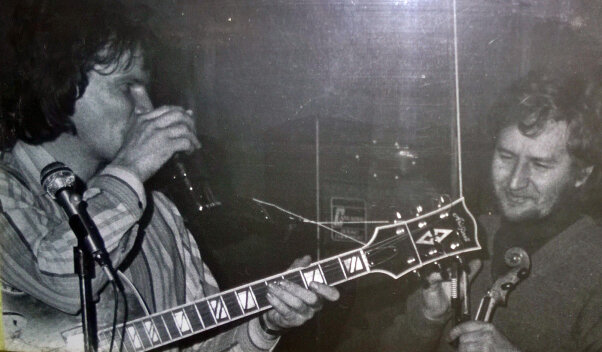
 

Kenny and Ric courtesy of Kenny Wilson Org


Ric Grech Sound & Vision…


Family:


“How Hi The Li” (composed by Grech) https://youtu.be/8GgzLYI1RK0


“Old Songs New Songs” https://youtu.be/8cJAB7Wk8y8


“Face in the Cloud” (composed by Grech) https://youtu.be/–BtEE2f9Ck


Traffic:

“Rock and Roll Stew” https://youtu.be/RjztpVSLFS8


“Medicated Goo” https://youtu.be/Pew9CweLjAU


“40,000 Headmen” https://youtu.be/pc1Hz8S2qhs


Blind Faith:


“Can’t Find My Way Back Home” Live at Hyde Park  https://youtu.be/PJJnA6zEcGk


“Well Alright” https://youtu.be/oj5u3Yf28LE


KGB: “I’ve Got a Feeling” https://youtu.be/jtHCtR02cjo


Gram Parsons: “Streets of Baltimore” https://youtu.be/Xi0c2clOqp0


Courtesy of Steve Winwood Com

Doug Rauch (Santana, David Bowie, Billy Cobham, Lenny White)

“Listen to the rhythm of your heartbeat…”


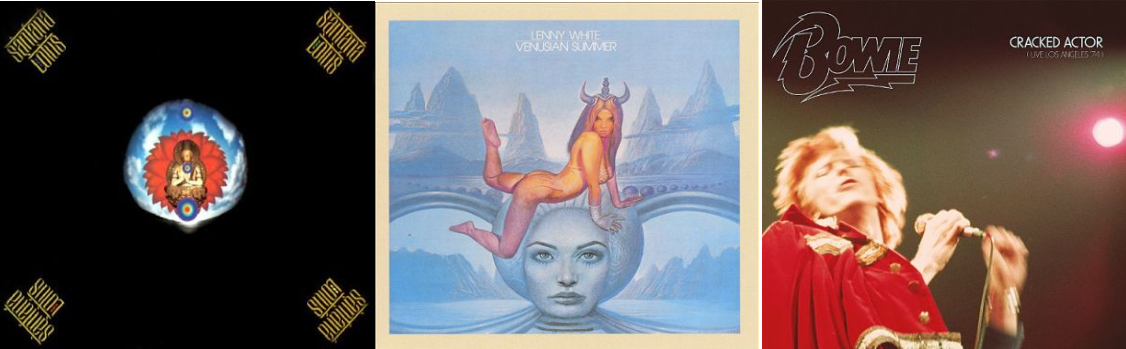
In a career tragically cut short, the late Doug Rauch was a major force in Santana’s groundbreaking fusion explorations as documented on such essential albums as Caravanserai (1972), Welcome (1973), Love Devotion & Surrender- with John McLaughlin (1973), and the sprawling live masterpiece Lotus (1974).


Doug was a master of the double-thumb technique, which was a radical departure from previous Santana bassists. As such, Rauch was an extremely busy player – which was vogue in those heady, early days of jazz rock – rendering poly-rhythms galore to compliment Carlos’ increasingly intricate compositions.


Doug’s primary weapon of choice was a modified Fender Jazz with a Gibson EB-pickup – yes the infamous “mudbucker” ala Grand Funk Railroad’s Mel Schacher – in the neck position.


Rauch’s unique forays into funk fusion can also be heard on Betty Davis’ self-titled 1973 debut, Billy Cobham’s Life & Times (1976) and Lenny White’s Venusian Summer (1976).


Among Rauch’s session credits include Carly Simon, Papa John Creach, Jose Chepito Areas, and Buzzy Linhart.


Doug also anchored select shows on David Bowie’s Diamond Dogs tour, captured on the archival release, Cracked Actor.


Doug Rauch Sound & Vision…


With Carlos Santana


“Love Devotion and Surrender” https://youtu.be/qp3jDl2t1kw


“Going Home/ A1 Funk/ Every Step of the Way” (Live in South America 1973) https://youtu.be/E7Qgdt7WDgU


Billy Cobham “On A Natural High” https://youtu.be/wfrrNL-_jjI


Lenny White “Chicken Fried Steak” https://youtu.be/gdn4opwXmls


David Bowie (Live in Los Angeles 1973)  “Cracked Actor” https://youtu.be/Je_Bci6G93M


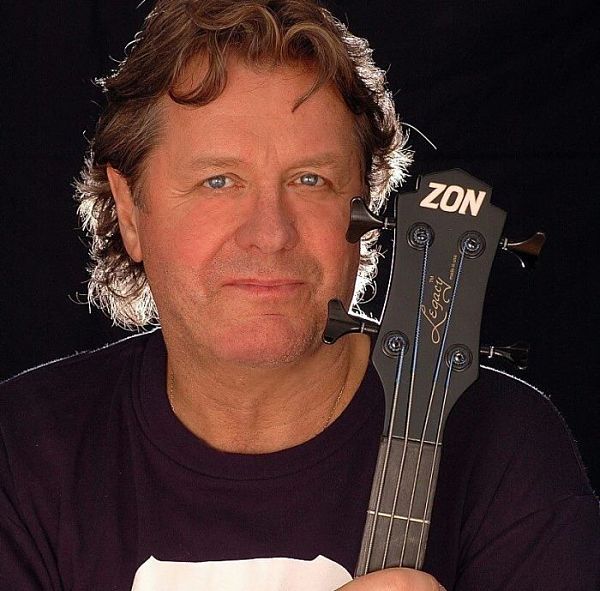
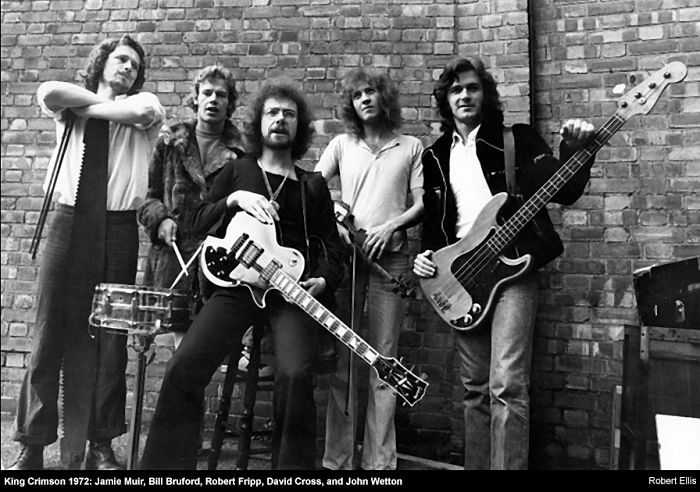
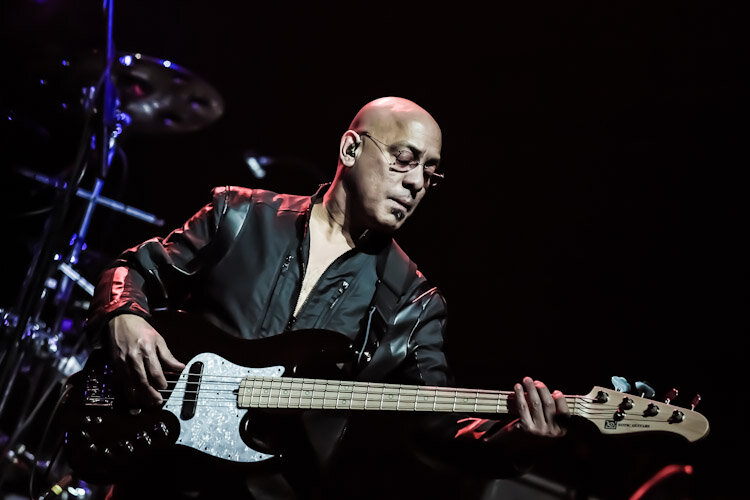
John Wetton (King Crimson, Asia)

Courtesy of Zon Basses Com

He was a prog-rock superstar who’s vocal and songwriting talents enabled the genre to reach a wider audience that was not quite ready for odd time-signatures, experimental instrumentation, and lyrics about wizards and topographic oceans.


At the behest of his pal Robert Fripp, Wetton joined a reformed King Crimson in 1972 and commenced to waxing four watershed sides Lark’s Tongues in Aspic, Starless and Bible Black, Red, and the live USA.


Following their ’74 split, Wetton continued the Crimson ethos with more of a pop approach with UK which cut two commendable platters but failed to catch commercial fire.


Wetton’s next project, a prog-rock supergroup with Geoff Downes, Steve Howe, and Carl Palmer working under the moniker of Asia struck gold with the of MTV and such anthemic tracks as “Heat of the Moment.”


Aside from his membership in the above referenced ensembles, Wetton also moonlighted in Family, Uriah Heep, Wishbone Ash, Roxy Music. He cut several albums under his own name and as a collaborator, and guested on sessions for artists including Phil Manzanera, Peter Banks, Steve Hackett, and Brian Eno to cite a very, very select few.


A player who used a wide array of instruments (Fender Precision, Zon), John influenced such high-profile bassists as Billy Sheehan, and Juan Alderete (Mars Volta). Wetton was an adventurous player, moving from the pocket to rendering countermelodic motifs – all while singing!


John Wetton Sound & Vision…


King Crimson:


“Red” https://youtu.be/X_pDwv3tpug


“Lament” https://youtu.be/_rPtnplgUgs


“Lark’s Tongue…” https://youtu.be/WhudDa3JAyc


UK: “Rendezvous” https://youtu.be/oZ5RgSPU3B4


Asia: “Heat of the Moment” https://youtu.be/xDpPoytXVvo


Photo by Robert Ellis Courtesy of John Wetton Com

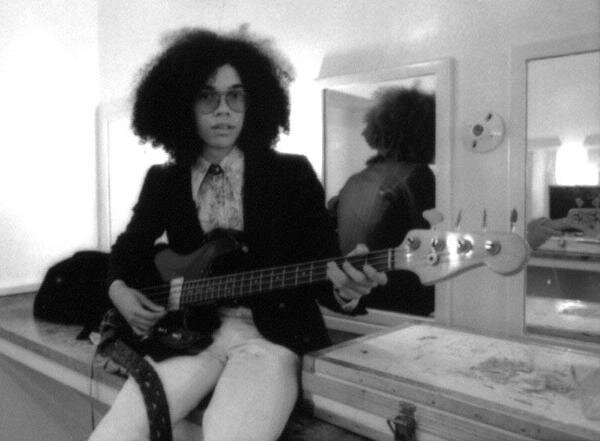
Catherine Popper (Ryan Adams, Grace Potter)

Courtesy of Fender Com Courtesy of Fender Com

Courtesy of Fender Com

With a 1966 Fender dubbed “pork chop,” Catherine Popper’s bass artistry has afforded a soulful “pop” to the canon of several high profile recording artists including Norah Jones (…Featuring Norah Jones), Grace Potter (Grace Potter and the Nocturnals), Ryan Adams (Cold Rose, Jacksonville City Nights, Easy Tiger, among others as a member of The Cardinals), Willie Nelson (Songbird), Rachel Yamagata (Elephants Teeth Sinking Into Heart), Jack White (Lazaretto), Joseph Arthur (The Ballad of Boogie Christ), Hem, and Mike Doughty to cite a few.

An accomplished vocalist and songwriter who is also skilled on the upright, Catherine seamlessly switches gears from rock, Americana, jazz, to country akin to the session cats of yore.

Dig Catherine on “Paris Ooh La La” with Grace Potter: https://youtu.be/oHlhOgQ36m8

Carmine Rojas (David Bowie, Joe Bonamassa, Rod Stewart, Nona Hendryx)

Courtesy Carmine Rojas Facebook

Among the most in-demand, versatile session cats since the late 1970’s, Carmine Rojas’ credits on stage and on record span David Bowie, Tina Turner, Joe Bonamassa, Carlos Santana, Nona Hendryx, Ian Neville, Allen Toussaint, Paul Rogers, Rod Stewart, John Waite, Carly Simon, and Herbie Hancock to cite a very, very select few.


A composer, producer, musical director (Rod Stewart, Julian Lennon), master of fretless, traditional four, and extended range bass, Carmine’s canon traverses rock, funk, rhythm & blues, jazz, soul, and hip-hop and permutations thereof.


Attention bassists: To give you an idea of the scope of Carlos’ approach to the instrument – be advised to study Bowie’s live archival Loving the Alien (1983-88), in particular, the Serious Moonlight Live ’83 selections, wherein Carmine goes full-throttle with harmonic extensions, pop/slap passages, and register leaping counterpoint to reinvigorate Bowie’s early canon.


As I recall back in the day, Bowie diehards recoiled (and many still do) at David’s pop funk forays, however Rojas and that band (also featuring Earl Slick, Carlos Alomar, Tony Thompson) kept the Ziggy zeitgeist relevant for a new generation.


Essential listening for those who did not get it the first time around! Rojas was brilliant on David’s Let’s Dance (1983), Tonight (1984), and Never Let Me Down (1987); working a modern rhythm & blues / reggae / funk / soul pocket with a piercing tone signature of the era.


Among Carmine’s current projects include A Bowie Celebration with several of David’s esteemed alumni including Earl Slick, Mike Garson, and Gary Leonard, among others.


Carmine Rojas Sound & Vision….


David Bowie:


Dig the harmonic / chromatic passage Carmine renders to add a new dimension to David’s “Rebel Rebel” https://youtu.be/W5YzzK4qVwA


Carmine stretching out on David’s “Cracked Actor” https://youtu.be/Shgbt4nN4xc


“Let’s Dance” https://youtu.be/VbD_kBJc_gI


Carmine in costume for “Blue Jean” https://youtu.be/NZnryZ5rDbs


Charlie Sexton:  A Bowie Celebration: “Let’s Dance” https://youtu.be/2KYvc_Zofzs


Sir Rod and Ronnie Wood on the Faces classic “Stay With Me” https://youtu.be/oop92KYfR08


Check out Carmine’s chordal work on Nona Hendryx “Tax Exile” https://youtu.be/HG9NAcveq1k


Joe Bonamassa: https://youtu.be/B4-QVk-6xUc


Carmine Rojas ZOOM ZESSIONS – 2021 


Kenny Gradney (Little Feat, Robert Palmer, Delaney & Bonnie)

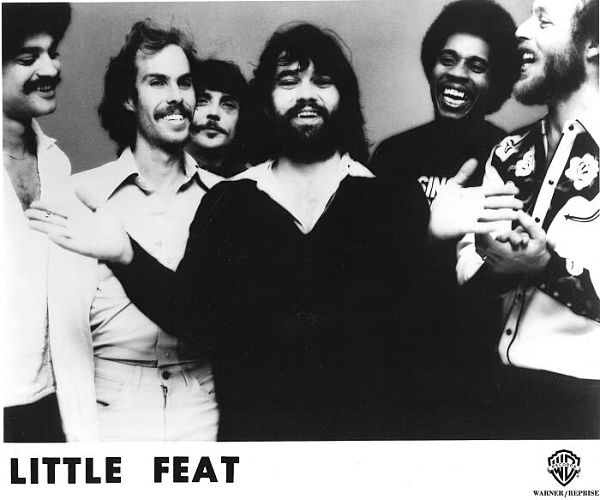
Courtesy of Little Feat Net


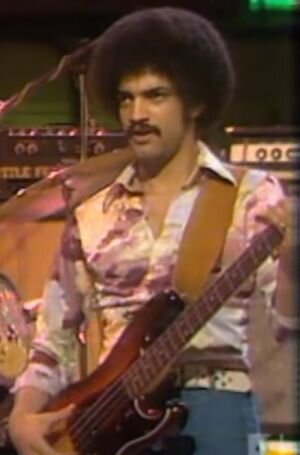
They were a matchless combination of a great American songwriter and a great American rhythm section: Lowell George and Little Feat. When Kenny Gradney assumed the bass chair from ex-Mothers of Invention player Roy Estrada for Dixie Chicken (1973), this versatile LA based ensemble commenced a groundbreaking run of albums and tours which uninhibitedly fused rock ‘n’ roll, blues, New Orleans funk, gospel, soul, jazz, and every variation thereof like no other band before – or since.


A prolific studio player as well, Gradney also waxed sides with Delaney & Bonnie, Chico Hamilton, Robert Palmer, Carly Simon, and Bob Weir, among others.


His greatest performance on record, to my ears, can be found on one of the greatest concert slabs ever committed to tape – Little Feat’s Waiting for Columbus (1978).


On the classic Feat slabs, Kenny’s weapon of choice was the Fender Precision. He’s also used Gibson and Kubeki instruments over the years.


Kenny Gradney Sound & Vision…  


With Little Feat:


“Oh Atlanta” https://youtu.be/osuvybCkK4g


“Hate to Lose Your Lovin’” https://youtu.be/Cva6Es9igz4


“Let It Roll” https://youtu.be/9IyRNKleyyg


“Rock and Roll Doctor” https://youtu.be/NLFkSJr-PBE


“Spanish Moon” https://youtu.be/o6ljNi7RRmE


“Dixie Chicken” with special guests  https://youtu.be/3z-GwdaKrn8


Kenny’s solo break “Dixie Chicken” circa 2009 https://youtu.be/hKUiovvXOIs


Chico Hamilton: “One Day Five Months Ago” https://youtu.be/C_deCJTjc3Q


Delaney & Bonnie: “They Call It Rock and Roll Music” https://youtu.be/qhIDFhkZxe4


Robert Palmer: “Trouble” https://youtu.be/qhIDFhkZxe4


Carly Simon: “Cow Town” https://youtu.be/jSGyTbS7rdY


Conrad Lozano (Los Lobos)

Courtesy of Los Lobos Com

Since their formation in East Los Angeles in 1973, Conrad Lozano has anchored the incomparable Tex-Mex rock and roll powerhouse Los Lobos. Akin to Conrad’s acknowledged heroes, namely Sir Paul, Brian Wilson, and Carol Kaye – Lozano functions superbly in-the-pocket and as a melodic player.


Conrad’s preferred tools on Los Lobos’ rock oriented albums are Fender and Lakeland, from which he exudes a time-tested warm tone especially when Lozano and his fellow wolves waxed experimental on such riveting collections as Kiko (1992) and The Town and the City (2006).


A skilled backing vocalist and Guitarron player, Conrad Lozano and Los Lobos are long, long overdue for Rock ‘n’ Roll Hall of Fame honors.


Conrad Lozano Sound & Vision


“Kiko and The Lavender Moon” https://youtu.be/ornSpLMUzbw


“Baby Don’t Worry” https://youtu.be/tao8rbrnfbc


“Will the Wolf Survive” https://youtu.be/lJVsUMKftMo


Los Lobos on Late Night with David Letterman Collection https://youtu.be/ErS4caV1x5M


Max Bennett (Tom Scott, Frank Zappa, Joni Mitchell)

Courtesy of Max Bennett Com

Aside from musos and voracious record collectors, his name is unknown – though his contribution to 20th Century popular music is omnipresent. He was the epitome of the term “sideman” and could likely be among the most recorded bassists in history.


Max Bennett forged timeless electric and upright grooves on countless film scores helmed by Lalo Schifrin, Nelson Riddle, Quincy Jones; television scores (Mannix); high profile gigs (Peggy Lee, Ella Fitzgerald, Frank Sinatra, Paul Anka), and seminal sides by Frank Zappa, Joni Mitchell, Paul Williams (Phantom of the Paradise), Babs Streisand (Stony End), Joan Baez (Diamonds & Rust), The Monkees, Hoyt Axton, George Harrison, Ry Cooder, Ray Charles, Tom Scott & The LA Express, and The Partridge Family to cite a very, very select few.


An accomplished composer and band leader with a dozen or so albums under his own name, Max’s career spanned the upright, to the trad Fender four string to extended range


Max Bennet Sound & Vision…


Tom Scott: Good Evening Mr. & Mrs. America https://youtu.be/z5cFmCsCcLc


Max with Joni on a killer live version of “Woodstock” https://youtu.be/ad7YyKhBl8c


Dig Max on upright with Frank Zappa “Little Umbrellas”  https://youtu.be/z5cFmCsCcLc


Max on the Mannix theme song by Lalo Schifrin https://youtu.be/kLTb3_-pdU4


Max Bennett & Freeway “When I Think of You” https://youtu.be/1F_K0z5cSpA


Joe Strummer’s Bassists: Lonnie Marshall, Scott Shields


JOE_STRUMMER_GLOBAL+A+GO-GO-549372_opt_opt.jpg JOE_STRUMMER_GLOBAL+A+GO-GO-549372_opt_opt.jpg

 A few years after John Graham Mellor “retired” The Clash, he waxed Earthquake Weather (1989) which featured bassist Lonnie Marshall. Cited as one of the top five funk bassists by Bass Player Magazine, Lonnie applied his slap approach to fortify Strummer’s stinging socio-political libretto.


STRUMMER 1_opt.jpg STRUMMER 1_opt.jpg

When Joe assembled his agile backing band The Mescaleros circa 1999, multi-instrumentalist Scott Shields grabbed the bass chair, utilizing a Fender P occasionally abetted with overdrive. The Mescaleros took the rhythmic cues forged by Joe’s former band as heard on Sandinista (1980) and Combat Rock (1982), melding reggae, dub, folk, and rockabilly. Shields also played a major role in the posthumous production of Joe’s final work Streetcore (2003).


STRUMMER 3_opt.jpg STRUMMER 3_opt.jpg

Lonnie Marshall currently leads his own ensemble Weapon of Choice, and Scott Shields remains active as a producer, film score composer, and performing artist.


Strummer 4_opt.jpg Strummer 4_opt.jpg


STRUMMER 2_opt.jpg STRUMMER 2_opt.jpg