OK, after the last blog post dealt with a lot of sadness, I promised to lighten up and write about something happy this time around. Since some people have a fear of circus clowns, I’ll avoid that topic and stick to a subject that certainly brings great joy to each and every person, especially me: the bass guitar! Perhaps there are some six string guitarists out there reading this who will snort with derision, but let us pity those poor, misguided souls.
I first picked one up as a freshman in high school when the bassist for the Deep Purple cover band in which I was singing had to leave school for a couple of months due to some reason I can no longer remember. He lent me his instrument so that the band could continue to rehearse and Steve, the guitarist, demonstrated zen-like patience in teaching me some of the songs. I’m sure you’re all thinking, “Ah, the first thing he learned was ‘Smoke On the Water’”, but no, believe it or not, that wasn’t in our repertoire. It was way too obvious, and I commend my band mates for their foresight at that tender age. The first song that Steve showed me was ‘Child In Time’, the ten-minute opus from their amazing album In Rock.
I suppose he thought that the beginning chords would be easy enough, and he was right, but then about halfway through the song, it’s off to the races and I can’t speculate on how many hours we spent trying to play this, just that there were many, many blisters acquired. I should point out that Steve was a European transfer student whose father was head of the Goethe Institute in New York, the offices of this association promoting German international cultural cooperation located directly across the street from the Metropolitan Museum of Art on 5th Avenue. The band was kindly allowed to use the auditorium and it’s a safe bet that in 1974, there were no other bands out there slamming their way through ‘Highway Star’ on the stages of institutions named for key figures of Weimar Classicism.
I’d always admired the shape of the electric guitar or bass in all its permutations but had never strapped one on until then. I’ve now been playing for thirty-eight years (gulp!) and can still remember the initial sensation, feeling the smooth wood against the front of my body and flicking the switch to turn the amp on. If you’ve never experienced this, go into a music store somewhere and give it a try. The vibration from the strings through the wood, into the pick-ups and then finally out of the amp speakers is a majestic revelation. The instrument resonates and reverberates with the massive sound. A fourteen-year-old boy with a bass slung down at crotch level, plucking the low E string? Well, as I said before, I’m still jamming at fifty-two and have no immediate plans of stopping. Somewhere along the way, I actually learned how to play the instrument and it’s been one of the most rewarding experiences I’ve had.
P.S. I have to mention this: I always write with music playing and have some nine thousand songs in iTunes on my computer, invariably set to random play. Guess what started playing halfway through creating this post? You got it: ‘Smoke On the Water’.
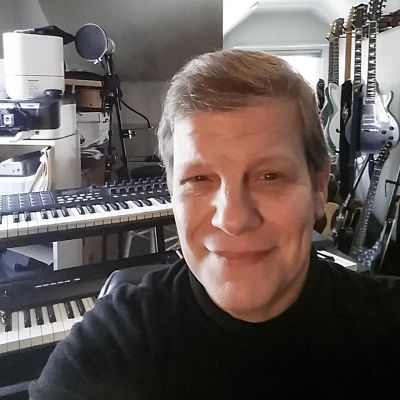
Chris Semal was born in New York City in 1959 and has lived there all his life. He is aware that other places exist and likes to visit them from time to time, but the city is a hard mistress to resist, and he keeps going back to her. A musician, singer and songwriter, he has played pretty much every rock club in Manhattan at one time or another since the late 70s and went to school at the University of Miami to study Music Engineering, coming back north to do the only obvious thing possible, becoming a municipal bond broker and eventually working as a consultant building financial models. In the early part of the millennium, between both consulting and band gigs, he thought it might be interesting to see what would happen if he expanded on the 80 or so words he used in writing song lyrics and went for the 80,000 he would need for a novel. And so Trial Of Tears was born, along with a passion for developing plots and characters.
www.ChrisSemal.Com
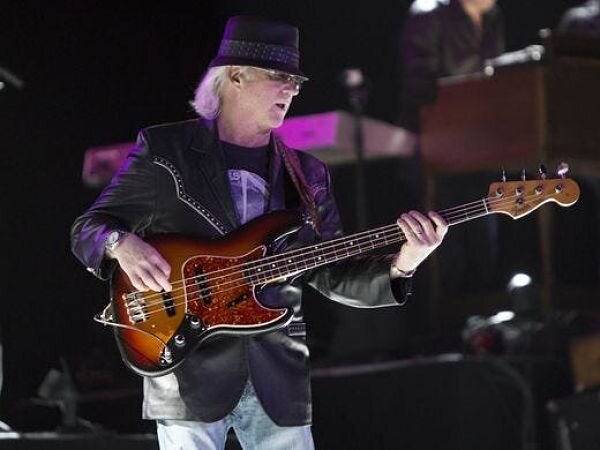
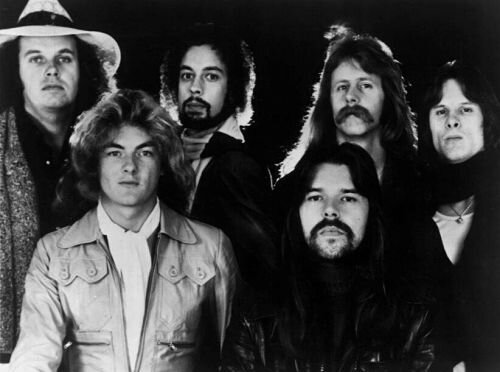
Courtesy of Bob Seger Com
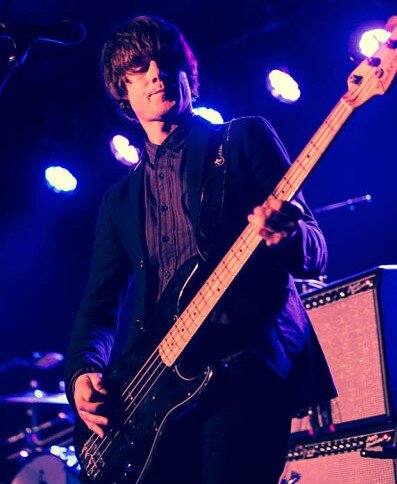
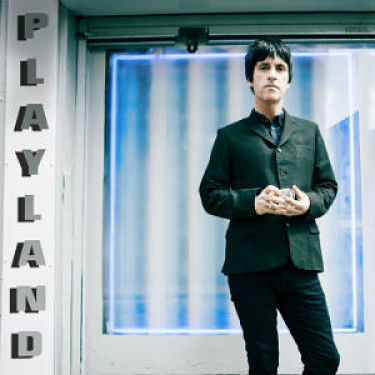
Photo courtesy of Johnnh – Marr Com
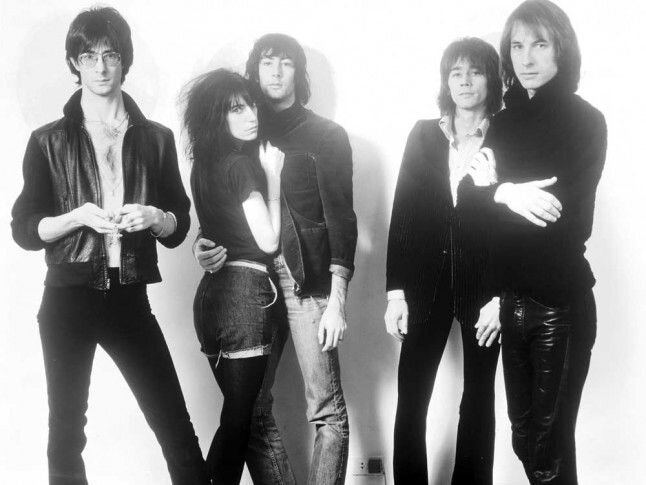
Photo courtesy of Patti Smith Com

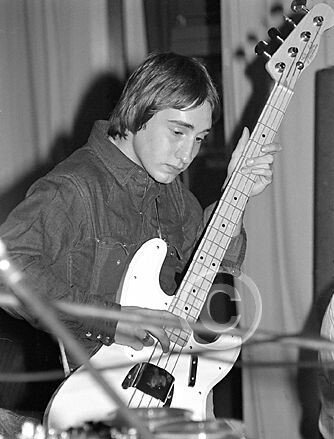
Courtesy of John Mayall Com
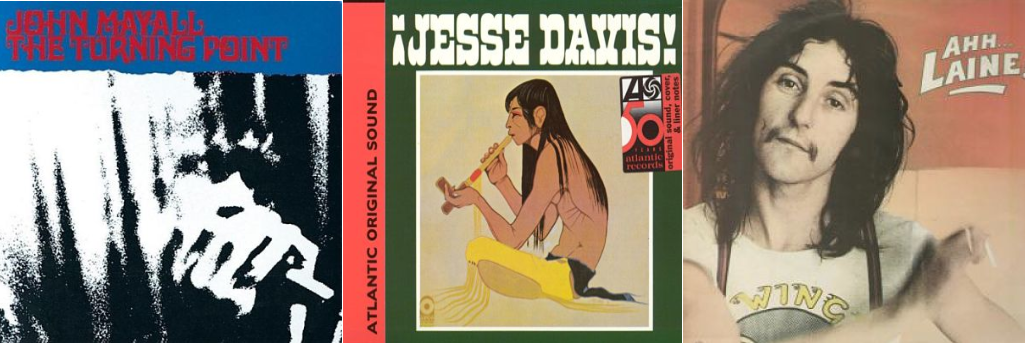
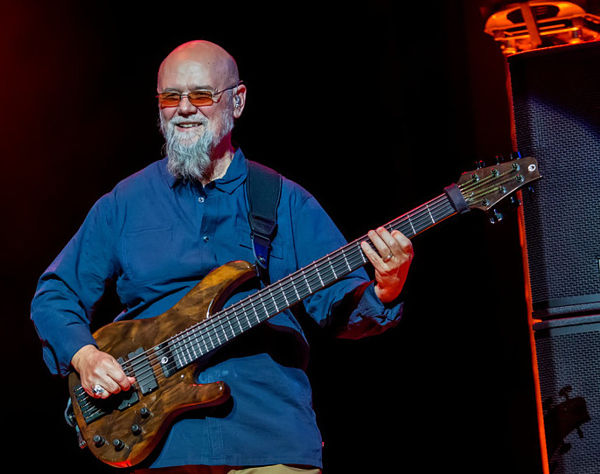
A soulful pocket player given to supportive harmonic extensions and grooves, the late Stephen Thompson was a magnificent anchor for John Mayall – especially the Bluesbreaker bandleader’s brilliant drummer-less ensemble as captured on the iconic live collection The Turning Point (1969). An in-demand session player, Thompson also waxed seminal sides with Jesse Ed Davis, Stone the Crows, Denny Laine, Alvin Lee, and Kevin Coyne, among others.
Dig Stephen (with drums) with John Mayall “The Laws Must Change” https://youtu.be/UzmqxTBaNyI


By Thomas Semioli
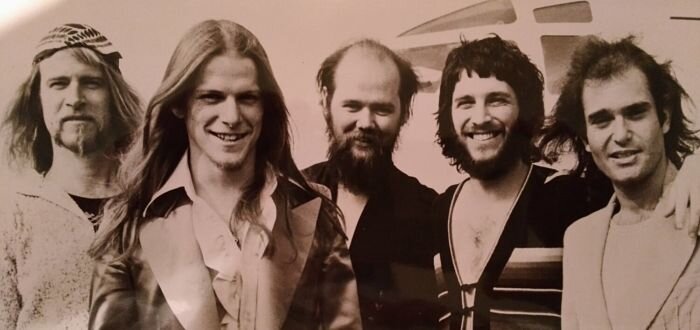
He is giant of the instrument though known mostly to musos despite the fact that his band, The Dixie Dregs, which he formed with guitarist Steve Morse in 1973 at my alma mater University of Miami, were among the most groundbreaking and “commercially accessible” fusion ensembles of their generation.
A master of fretless, extended range, trad four, plectrum, slap, and finger-style – Andy and the Dregs were truly an “American music” collective, boundlessly incorporating country, hard rock, jazz, blues, and folk in their remarkable canon of recorded and live work.
Andy’s weapons of choice included Alembic, Steinberger XL, and Geoff Gould basses. Nowadays, between Dregs reunions, Andy West enjoys an equally stellar career as a software programmer / consultant. During his time with The Dregs, and later as a sideman, collaborator, and solo recording artist – Andy expanded the language of the bass guitar as an improviser, ensemble player, and sonic visionary.
Though they flirted with mainstream acceptance towards “The Dregs” end of their initial run, they curiously never achieved the recognition bestowed the Mahavishnu Orchestra, Return to Forever, Herbie’s Headhunters, and Weather Report. Go figure!
Dig the Dregs at Montreux “The Bash” https://youtu.be/rHLkdQ-mrFw

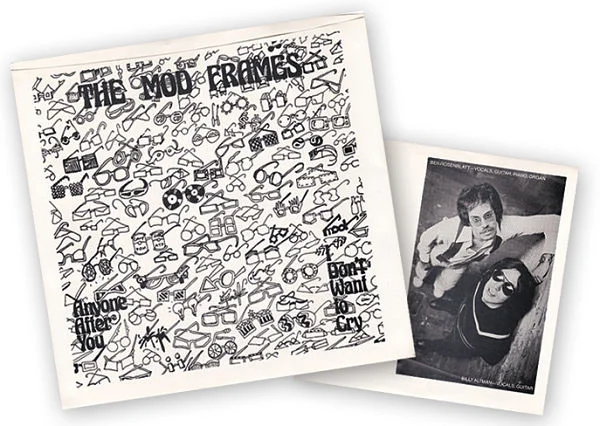
The Mod Frames live at St. John’s University

I’ve been hired to play guitar and bass on a friend’s tracks, so I’ve been pulling my bass chops back into shape. Different muscles, different head. I love to play bass. If I could sing lead while doing so I would have saved myself many a runaround and played it in my own bands over the years, as good bass players have always come dear. (I might be a bit picky in that regard, too.
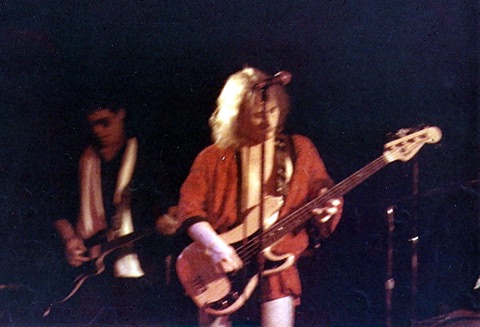
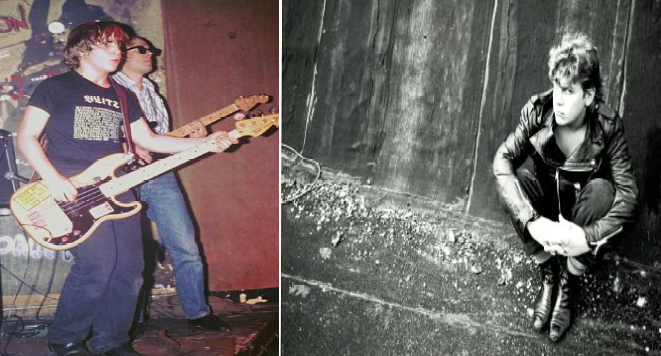
When I first joined Richard Hell & The Voidoids in early 1979 I didn’t own a bass guitar, so I used one of Richard’s during the beginning of my tenure. I had been rehearsing with them for the first two months of that year, but nobody ever bothered to tell me that I was in the band during that time – I figured they were just trying me out, maybe waiting to see if they wanted someone else instead. I was sixteen and having fun just playing with Bob Quine and Ivan Julian and didn’t want to rock the boat; but I also didn’t want to invest in a bass if I wasn’t going to get the gig.
One day in early March I finally asked if I was an official member and they all laughed, assuming that the four-day-a-week rehearsal schedule might have been a tip-off that I already had the job. Before each session, I had been meeting Richard at his apartment on 12th & A so I could carry the bass to the studio near Union Square. The day after I was anointed a Voidoid, Richard said: “OK, Mister Bass Player, it’s time you got your own.”
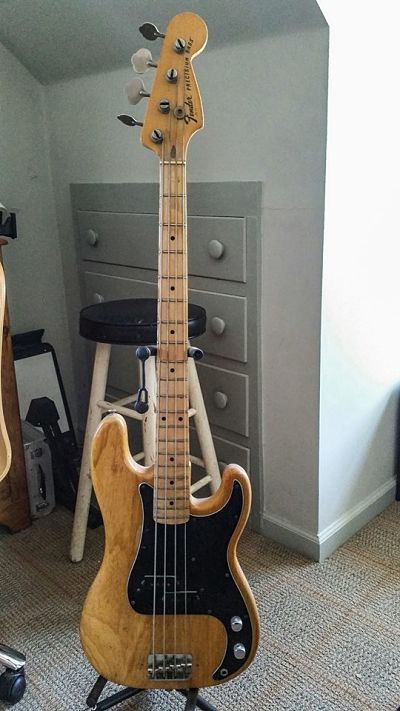
I went to We Buy Guitars on 48th Street and got this 1976 Fender Precision Bass for $325. Many years later when I was at my lowest ebb of drunkenness and depression, I would run to pay off the pawn ticket at the shop that held it, always just a day ahead of it being sold off. I’ll always remember how happy I was when I pulled my life together enough to get it out of hock. It’s a wonderful slab of wood, and every time I play it I remember how truly fortunate I have been, and how fortunate I am today.
Love to you, wherever you are. Yes, you.
Jahn Xavier 2017
Photo courtesy of Aguilar Com

Courtesy of Kool and the Gang Com
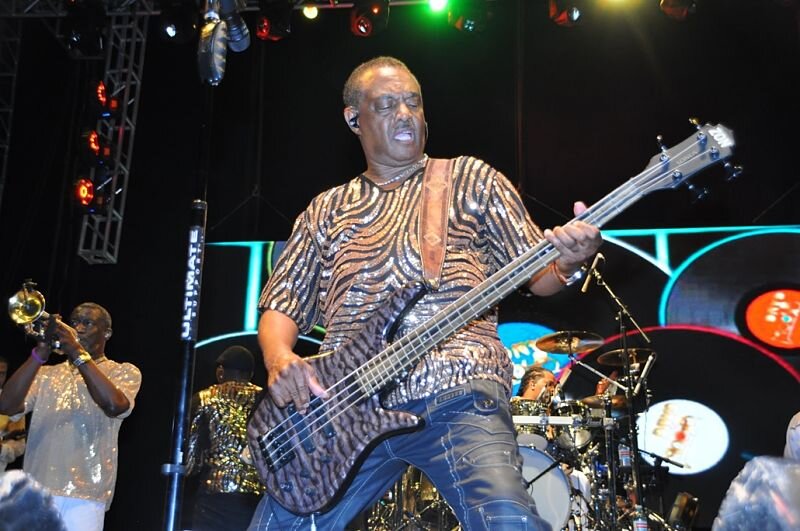
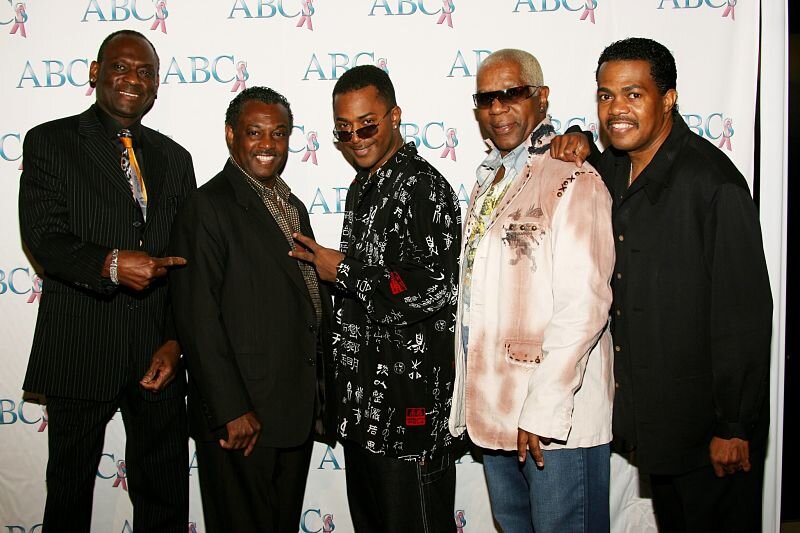
He is the “Kool” in Kool and the Gang.
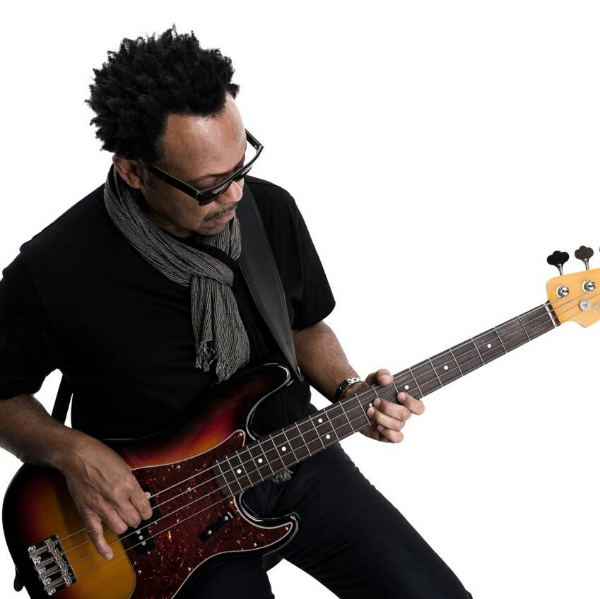
For a half-century and counting, Robert “Kool” Bell has anchored one of funk’s most commercially and artistically successful recording and performing artists. Drawing from jazz and rhythm & blues, Bell ranks among the masters of his genre – plying definitive pocket grooves which master rhythm, space and melody rather than flashy technique.
A finger and slap style player, Bell’s influence on bassists is incalculable – and he’s likely been sampled over a million times.
Kool Bell Sound & Vision…
Dig Kool on “Get Down On It” https://youtu.be/qchPLaiKocI
Tony Senatore Plays Kool Bell…
“Jungle Boogie” https://youtu.be/g7WOnb-_Cno
“Kool & The Gang” https://youtu.be/QZ9nvb8h_0I
“Hollywood Swingin’ https://youtu.be/DLTkuF4dF7w
Courtesy of M&M Entertainment